
Why Choose Aidon Reverse Osmosis Water Filter ?
- Direct from the manufacturer, with in-house production and R&D.
- Flexible customization to meet the specific needs of different projects.
- Skid-mounted equipment for hassle-free overseas installation.
- Stringent quality control, with rigorous testing before shipment.
Aidon—One-Stop Water Treatment Service Provider
For over 15 years, Aidon has been dedicated to the independent research, development, and production of reverse osmosis water systems. Leveraging its deep manufacturing and technical expertise, the company offers flexible, customized solutions that effectively balance low operating and maintenance costs while ensuring reliable water purification performance. Aidon also provides comprehensive, full-lifecycle support services to meet the water purification needs of various application scenarios.
Aidon strictly adheres to the principle of “quality first.” Before shipment, the core components of every reverse osmosis water system are calibrated, and all parts undergo a thorough inspection. The equipment is also packed using professional marine shipping packaging to ensure it is ready for immediate use upon arrival.
Features of Our Reverse Osmosis Water Filter

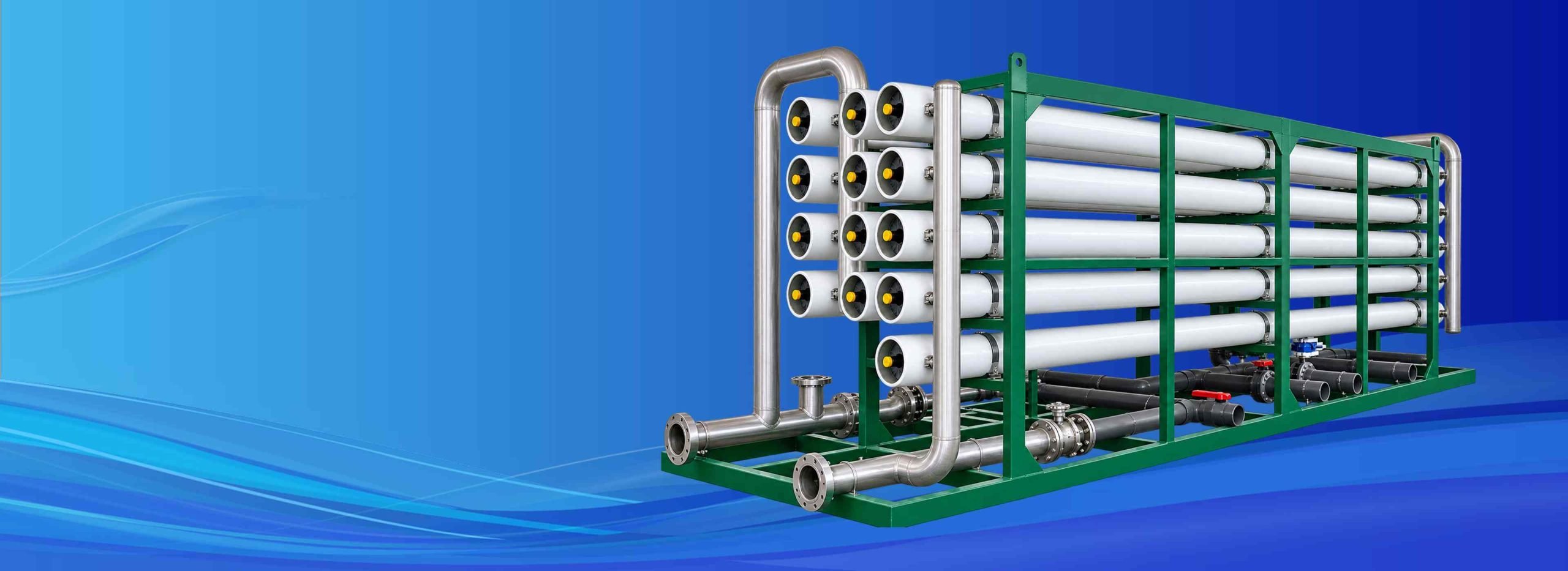
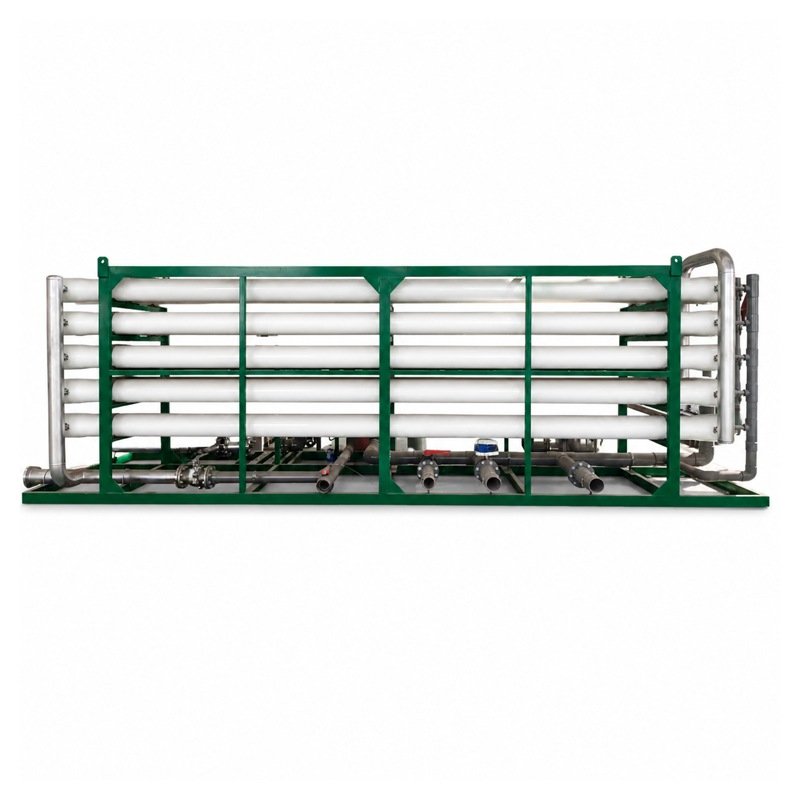
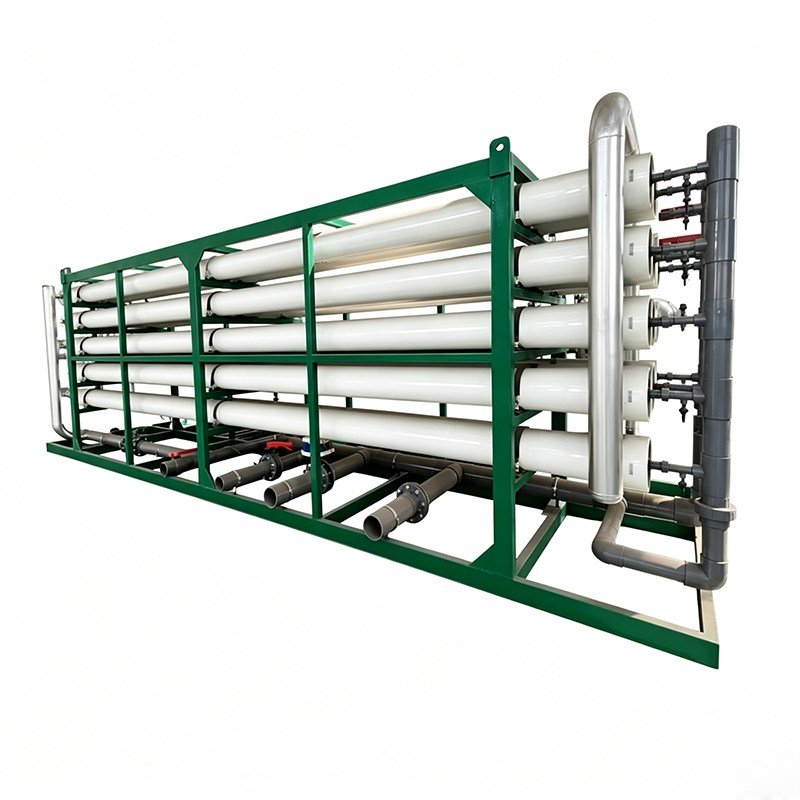
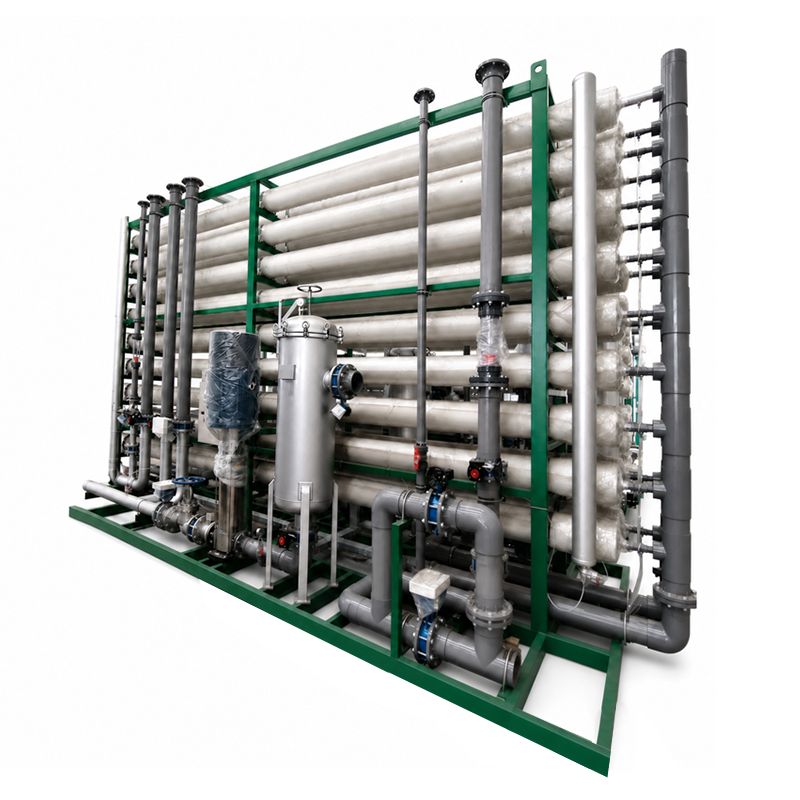
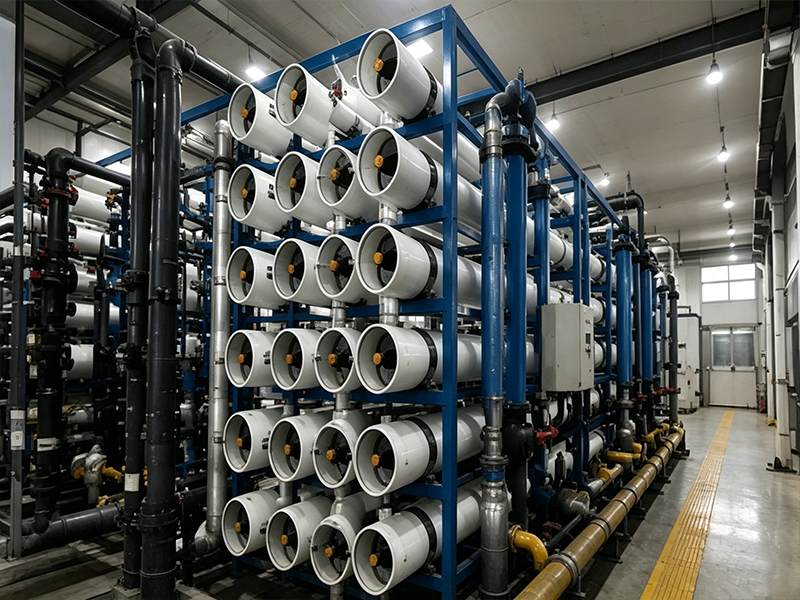
Aidon features a fully integrated design. The product is shipped as a single, skid-mounted unit and is ready for use upon delivery.

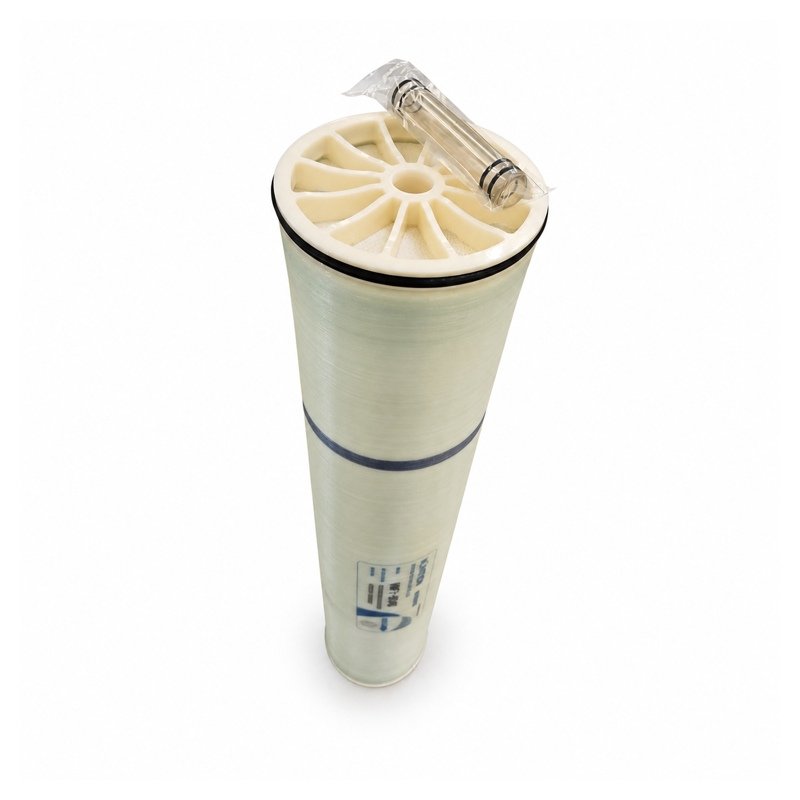
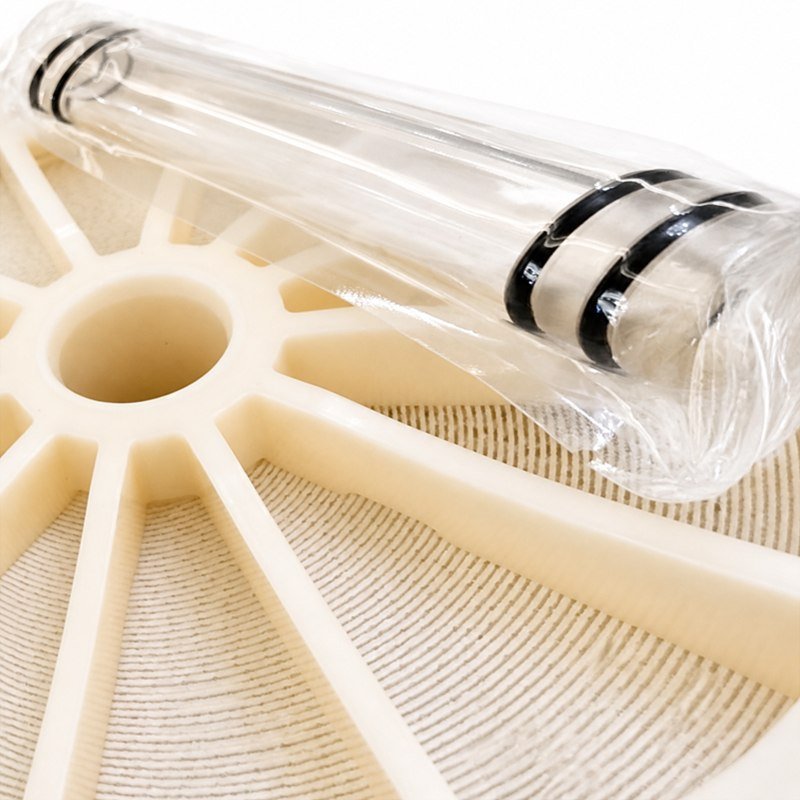
Aidon utilizes reverse osmosis membranes from leading international brands, ensuring consistent water quality through top-tier core components.

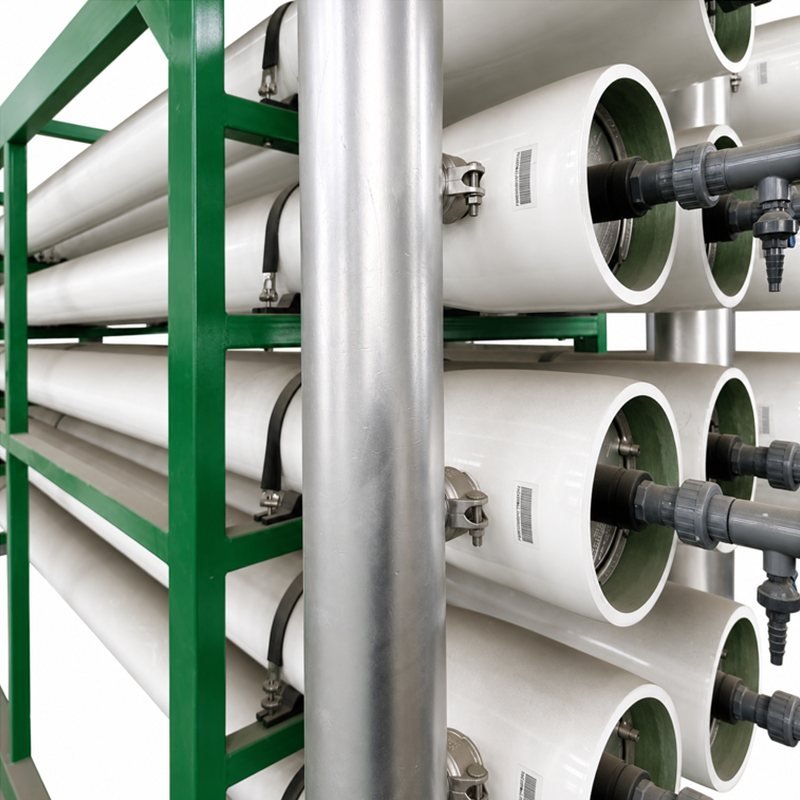
Aidon’s high-pressure piping is manufactured from 304 stainless steel and undergoes fatigue testing prior to shipment.

Aidon is equipped with a PLC control system that monitors water quality and pressure parameters in real time. It includes high and low-pressure protection features.

We can adjust the selection of reverse osmosis membranes and operating pressure upon request to meet your specific treatment standards.

Aidon optimizes the water circuit layout to maximize the system’s water recovery rate. Our energy consumption is only 80% of that of traditional reverse osmosis systems.
Ultimate Water Quality Standards
Aidon partners with leading international reverse osmosis membrane brands. Every Aidon reverse osmosis water system is equipped with reverse osmosis membrane elements from brands such as DuPont, Hydranautics, and Toray, delivering exceptional water flow rates and desalination rates. Aidon reverse osmosis water systems feature a built-in low-pressure pulse flushing program that prevents scaling on the surface of the reverse osmosis membranes. This innovative program effectively extends the lifespan of the reverse osmosis membranes by more than 30%.
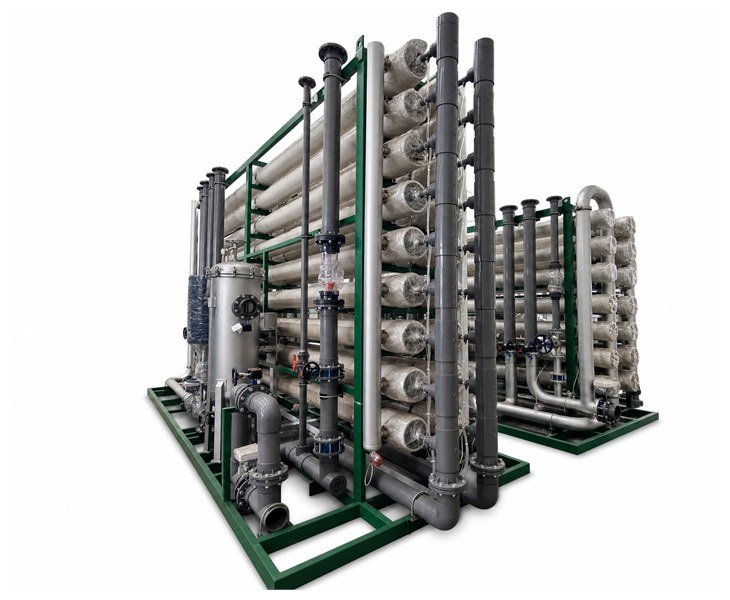
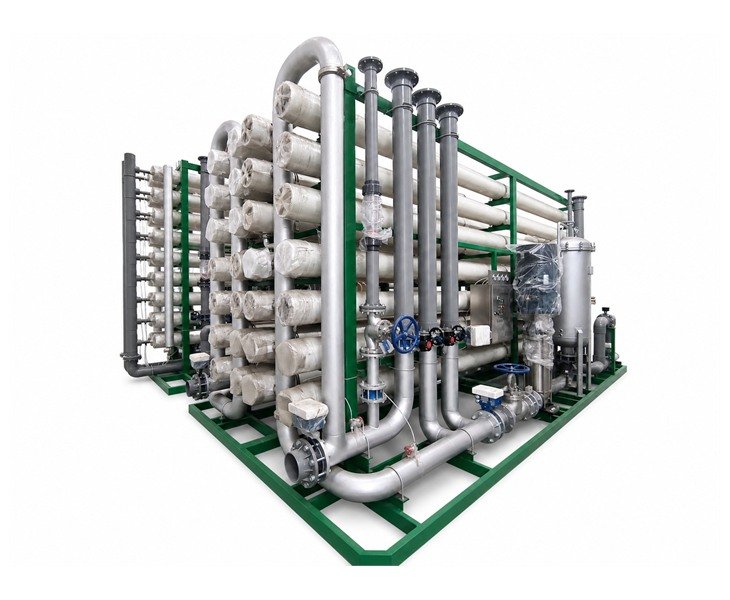
Integrated Skid-Mounted Design
Leveraging Aidon’s 15 years of R&D and manufacturing expertise, the entire Aidon reverse osmosis water system—including reverse osmosis membrane modules, pumps, piping, and PLC control systems—is integrated onto a single base. Each unit undergoes rigorous durability and watertightness testing before leaving the factory. Upon receipt, simply connect the inlet and outlet water lines and power supply to begin operation, saving you weeks of on-site installation and commissioning time.
Aidon Reverse Osmosis Water Filter Suitable for?
If the chemicals you need to handle are not listed below, please contact us. We can provide you with a customized solution at no cost.
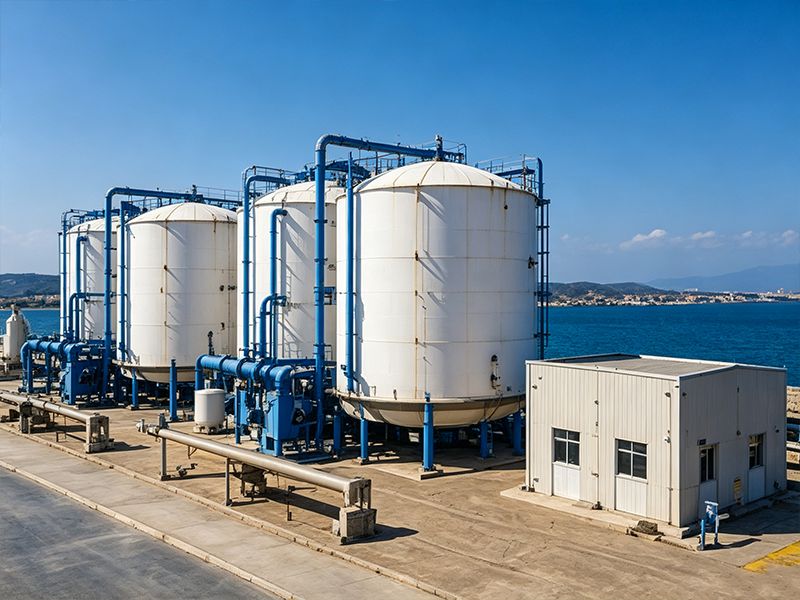
Aidon reverse osmosis water system is ideal for use in coastal or island regions where fresh water is scarce. Equipped with a high-pressure pump, the system removes contaminants such as salts and heavy metals from seawater and brackish water, producing high-quality purified water that meets regulatory standards.
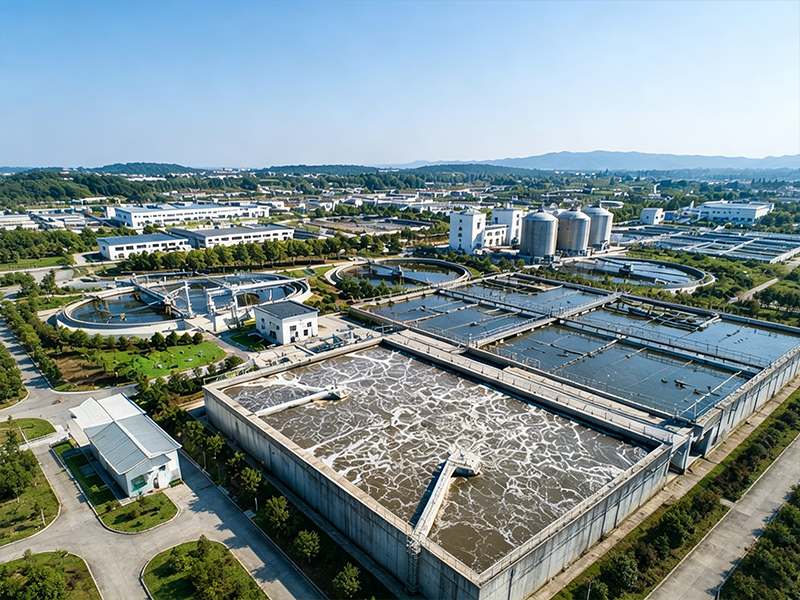
Through the physical retention action of reverse osmosis membranes, the Aidon reverse osmosis water system can further purify reclaimed water that meets discharge standards, deeply purifying the water quality to produce ultra-pure water of a higher standard.
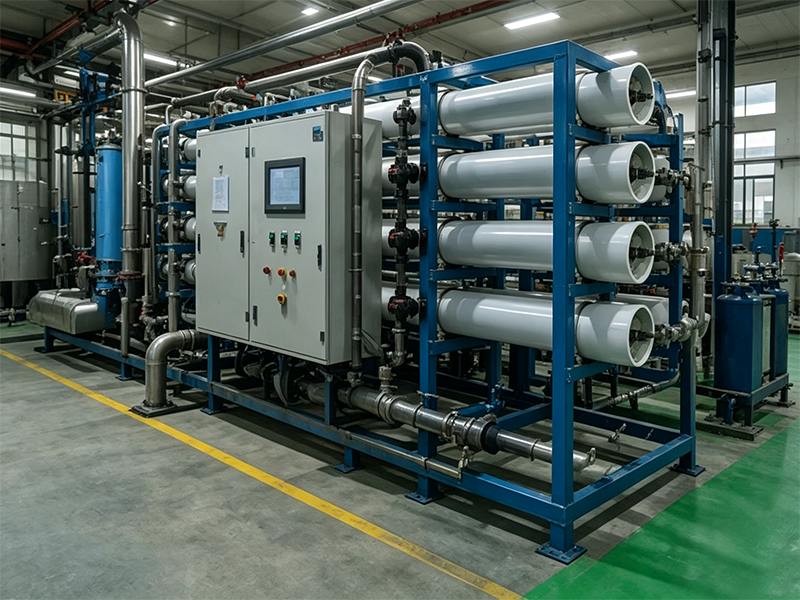
With its high-pressure piping system constructed from 316 stainless steel, the Aidon reverse osmosis water system meets GMP-certified sterile conditions. It efficiently removes inorganic salts from water, producing ultrapure water that meets pharmaceutical standards.
Aidon reverse osmosis water system effectively removes trace impurities from water, producing ultrapure water that meets the stringent standards required for silicon wafer cutting and chip surface cleaning.
Reverse osmosis is a membrane separation process that uses a pressure difference as the driving force to separate the solvent from a solution. When pressure is applied to the feed solution on one side of the membrane and exceeds its osmotic pressure, the solvent flows in the opposite direction of natural osmosis.
- Function: It efficiently removes dissolved substances from water, such as salts, heavy metals, organic compounds, suspended solids, microorganisms, bacteria, and viruses, ensuring water safety.
- Applications: Widely used in seawater desalination, industrial production water for semiconductors and other industries, advanced treatment of industrial wastewater or domestic sewage, and reclaimed water reuse.
Typical treatment process: Raw water → Multi-media filter (removes suspended solids and turbidity, SDI < 5) → Activated carbon filter (removes residual chlorine and organic matter, protects membrane elements from oxidation) → Ultrafiltration (removes large suspended particles, colloids, etc.) → Security filter (5-micron fine filtration, protects high-pressure pumps and membrane elements). Depending on water quality, additional equipment may be required, such as iron and manganese removal filters, self-cleaning filters, and disinfection systems.
Explanation of Terms Related to Reverse Osmosis Water Filters
- Reverse Osmosis: Abbreviated as RO, this process uses high pressure to force water molecules through a reverse osmosis membrane, retaining salts, impurities, and bacteria. It is the core technology for producing pure water and filtered water.
- Reverse Osmosis Membrane/Membrane Element: The core filtration component of the system, featuring extremely fine pores that can retain dissolved salts, heavy metals, microorganisms, and other contaminants. It determines the quality of the produced water.
- Membrane Housing: A pressure-resistant cylindrical housing used to contain RO membrane elements. Typically made of fiberglass or stainless steel, it can accommodate a single or multiple membrane elements installed in series.
- Raw Water / Feed Water: The water source entering the reverse osmosis system for treatment. Its quality directly affects the service life and operational performance of the membrane assembly.
- Product Water / Permeate: Purified water that passes through the reverse osmosis membrane, i.e., the final purified water produced that meets quality standards.
- Concentrate: High-salinity wastewater that cannot pass through the membrane and is retained; it is continuously discharged during system operation.
- Recovery Rate: The percentage of product water relative to the total feed water volume; it is a key indicator of the system’s water-saving performance.
- Desalination Rate: The proportion of salts retained by the reverse osmosis membrane; the higher the value, the better the water purification and desalination performance.
- Operating Pressure: The pressure required to drive water molecules through the membrane; different water qualities and membrane models correspond to different operating pressures.
- Membrane Flux: The amount of water produced per unit area of membrane per unit time, representing the membrane’s water production efficiency.
- Pretreatment: Filtration equipment installed upstream of the reverse osmosis system (such as quartz sand, activated carbon, and precision filters) used to protect the RO membranes.
- Backwashing: Flushing water in the opposite direction to clean impurities from the filter media or membrane surface, restoring filtration performance and extending the lifespan of components.
- Chemical Cleaning: Cleaning membrane elements with specialized chemicals after contamination to remove deposits and restore membrane performance.
- Scaling: The precipitation and deposition of substances such as calcium and magnesium ions from the water onto the membrane surface, which reduces water production and desalination rate.
- Recovery Rate: The percentage of water produced relative to the feed water volume. For example, with a feed flow of 10 m³/h and a water production of 7 m³/h, the recovery rate is 70%. A higher recovery rate results in less concentrate, but also increases the risk of membrane scaling.
- Desalination Rate: The percentage of salt removed by the RO membrane.
- RO Membrane Module Configuration:
Stage: Refers to the number of times the feed water passes through the reverse osmosis membrane elements.
Section: Refers to the number of times the feed water passes through pressure vessels, i.e., the number of times the concentrate flows through different pressure vessels.
What harm does residual chlorine cause to RO membranes? How can it be removed?
Residual chlorine is a strong oxidizing agent that can damage the structure of polyamide composite membranes, leading to membrane degradation, reduced desalination rate, membrane embrittlement and rupture, and irreversible damage to the membrane elements. Removal methods: Pre-installed activated carbon filters or the addition of sodium bisulfite as a reducing agent.
Key Points for Winter Operation and Maintenance of Reverse Osmosis Systems
Membrane Maintenance During System Operation:
- The ambient temperature of the reverse osmosis system should be above 5°C.
- Increase the feedwater temperature or feedwater pressure.
- When the raw water temperature is below 10°C, it is recommended to use a raw water heater to heat the raw water to 20–25°C.
Membrane Maintenance During System Shutdown:
- Maintain temperatures between 5–45°C
- Low temperatures are beneficial for membrane element preservation, but system freezing must be prevented
Winter Maintenance of Reverse Osmosis Equipment:
- For indoor installations, ensure the room temperature remains above 5°C; provide heating to the equipment if necessary
- Heat the system to 20–25°C
- If the feed pipe freezes, preventing water supply or resulting in low flow, do not force the reverse osmosis system to start. Strictly adhere to the feed water requirements for reverse osmosis membrane elements and never apply pressure indiscriminately.
- For outdoor installations, frost protection measures must be in place. When temperatures drop below 0°C, cease operation of the water treatment equipment.