
Why Choose AIDON Radar Level Meter?
- We offer enclosure, communication, and brand customization services.
- ISO 9001 certified, easily meeting various acceptance standards.
- Proprietary high-frequency radar core technology ensures stable and reliable monitoring data.
- Ample production capacity at our manufacturing facility, offering excellent value for money.
- 24/7 online remote installation guidance available.
AIDON—Professional Radar Level Meter Provider
As a professional manufacturer of radar level meters, industrial instruments, and water treatment equipment, AIDON Environmental provides reliable level measurement and process automation solutions to customers worldwide. We help you improve process efficiency, reduce operating costs, and implement automated systems.
Adhering to the principle of quality first, AIDON has long invested significant resources in research, development, and design. Whether it’s primary water treatment equipment or related instruments and components, the quality of AIDON’s products ranks among the best in the world.
Different Types of Radar Level Meters
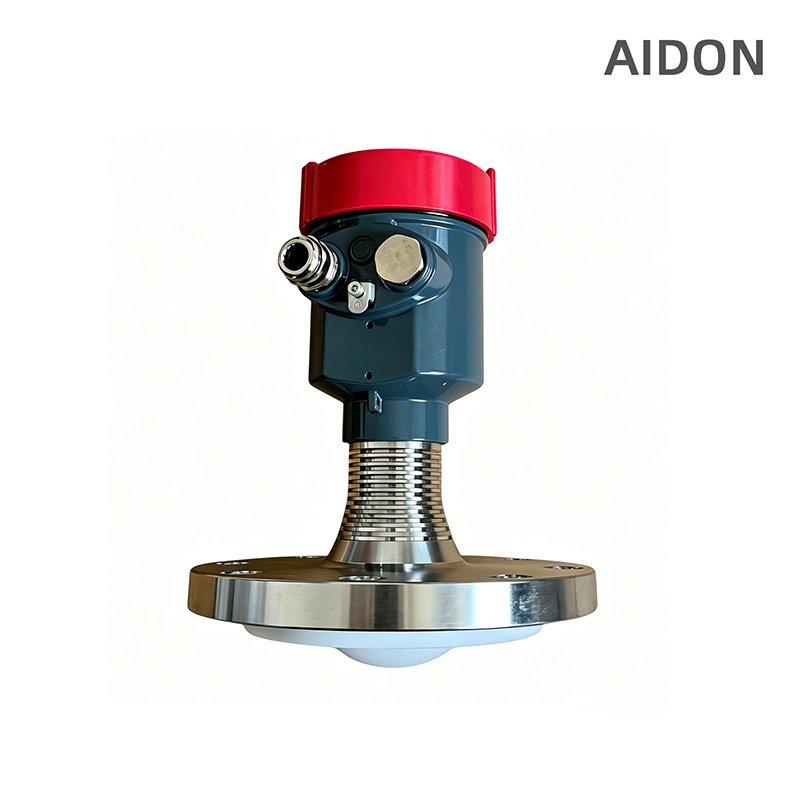
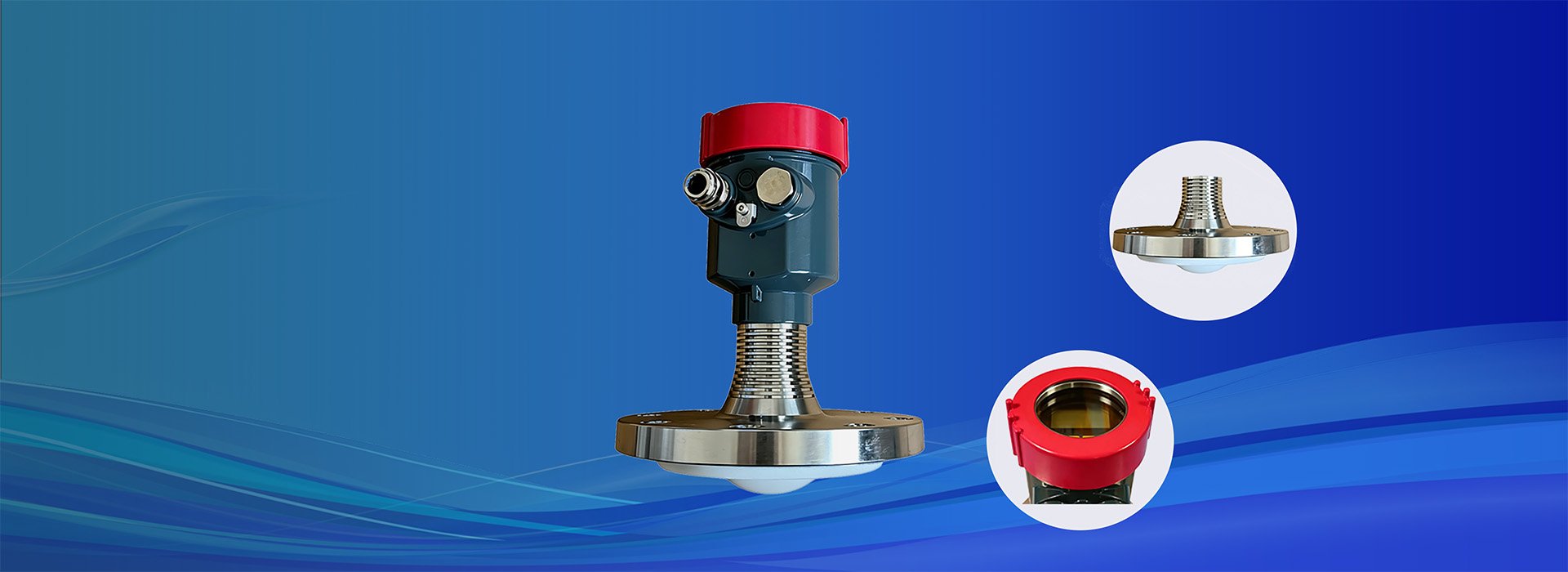
Applications: High-temperature environments, highly corrosive liquids, agitation, water vapor condensation
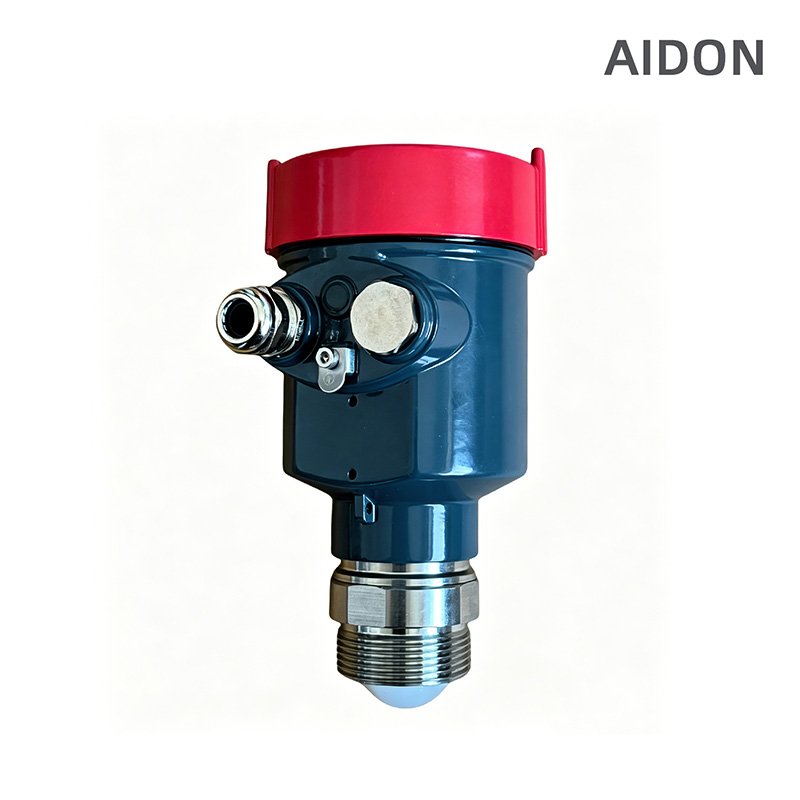
Applications: Slightly corrosive liquids, agitation, water vapor condensation
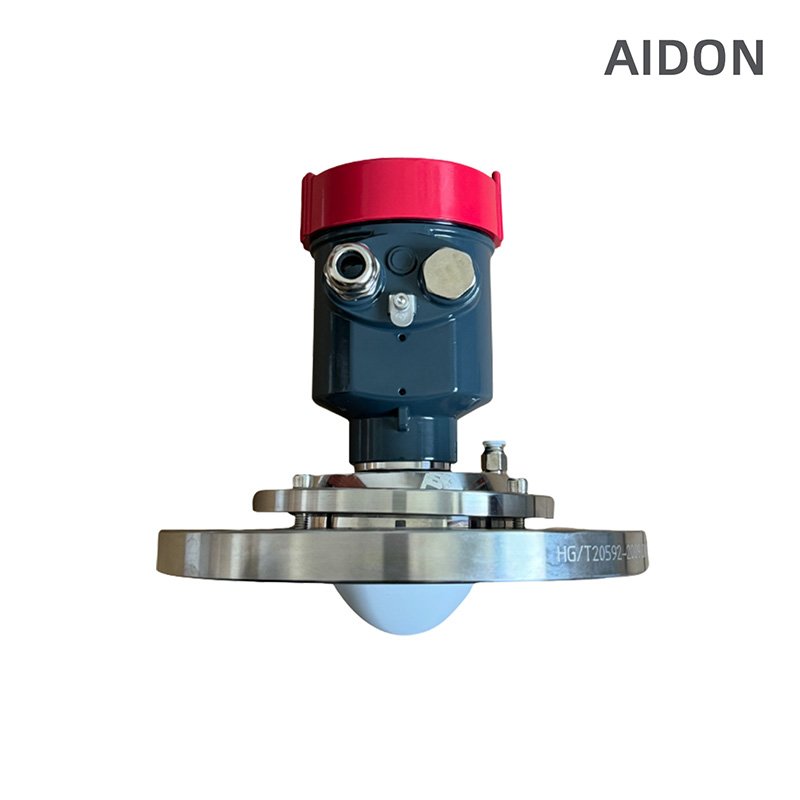
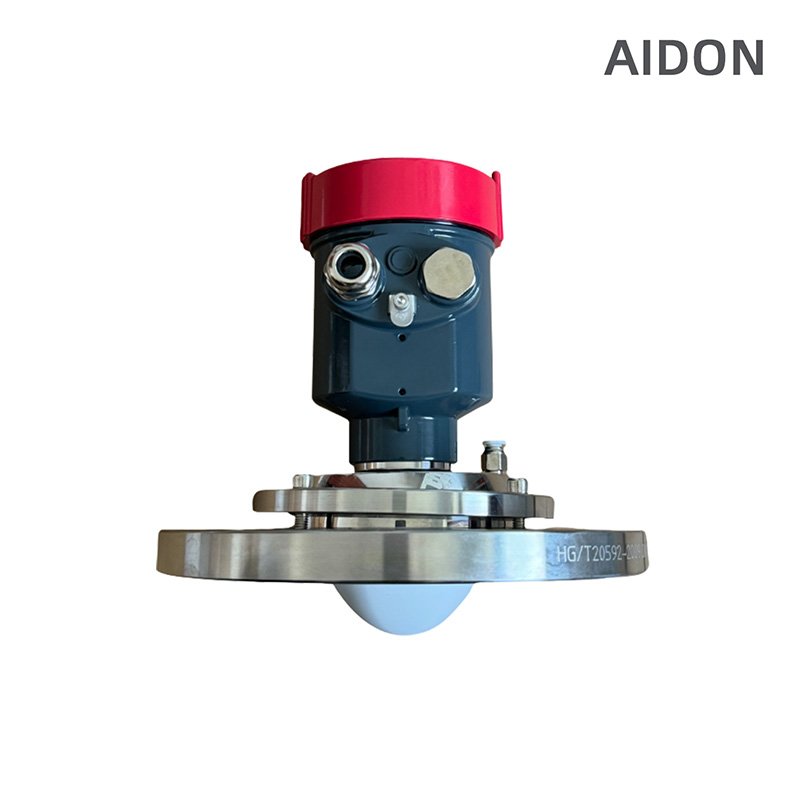
Features of Radar Level Meter

Measurement accuracy of up to ±1 mm ensures stable and precise level monitoring.

IP66 protection rating allows for safe use in harsh environments.

Three models are available, suitable for different operating conditions such as high-temperature, highly corrosive liquids; mildly corrosive liquids; and highly dusty solid powders.

Equipped with 4–20 mA, HART, RS485, and Modbus communication interfaces, it can be easily integrated into PLC, SCADA, and DCS systems.

Sensor materials include SS316L and SS304; the maximum medium temperature reaches 220°C, making it suitable for corrosive and high-temperature environments.

Utilizes high-frequency radar technology to resist interference from steam and dust, ensuring stable and reliable measurements.

Suitable for level monitoring in various industries, including cement silos, chemical storage tanks, wastewater tanks, and the food and beverage sectors.

Non-contact measurement based on the principle of electromagnetic wave reflection; the level is calculated by transmitting high-frequency radar waves and receiving the echo signals.
Intelligent and Automated
AIDON Environmental’s radar level meters are equipped with 4–20 mA, HART (two-wire/four-wire), RS485, and Modbus communication interfaces, allowing for easy integration with PLC, SCADA, and DCS systems. They provide real-time liquid and solid level data with a measurement accuracy of ±1 mm, ensuring stable and precise level monitoring.
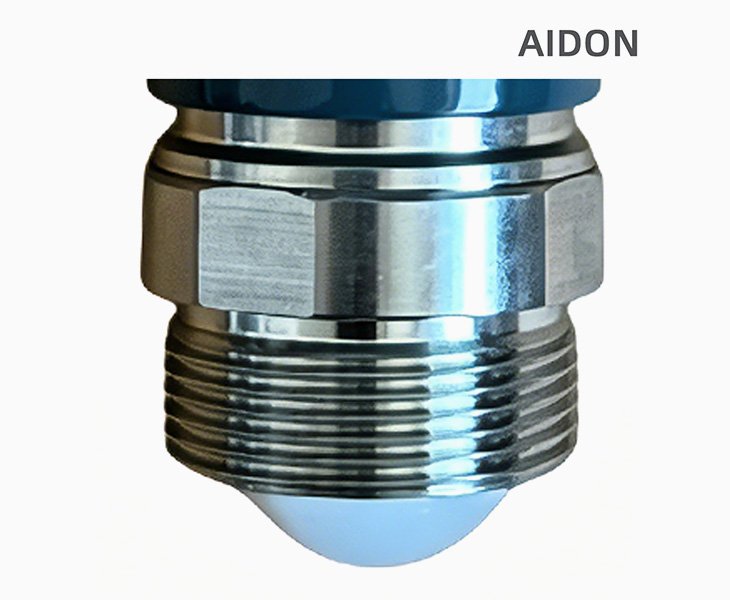
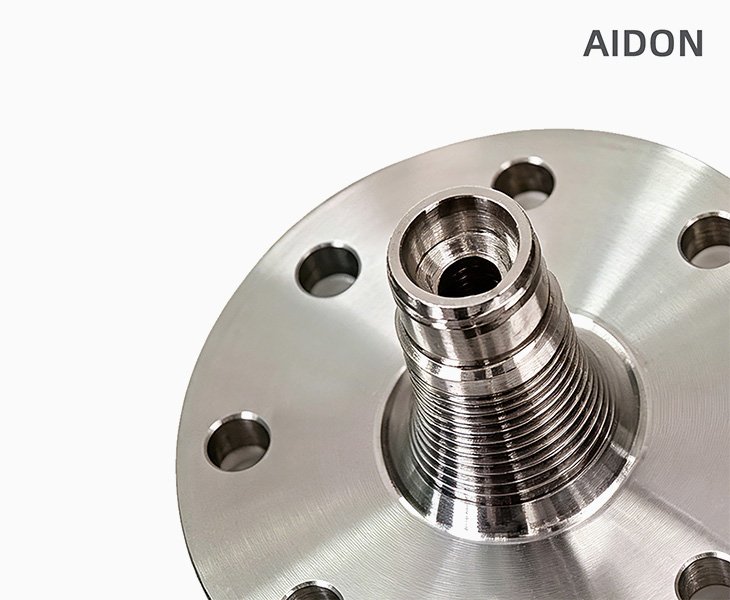
Industrial-Grade Materials, Consistent Quality
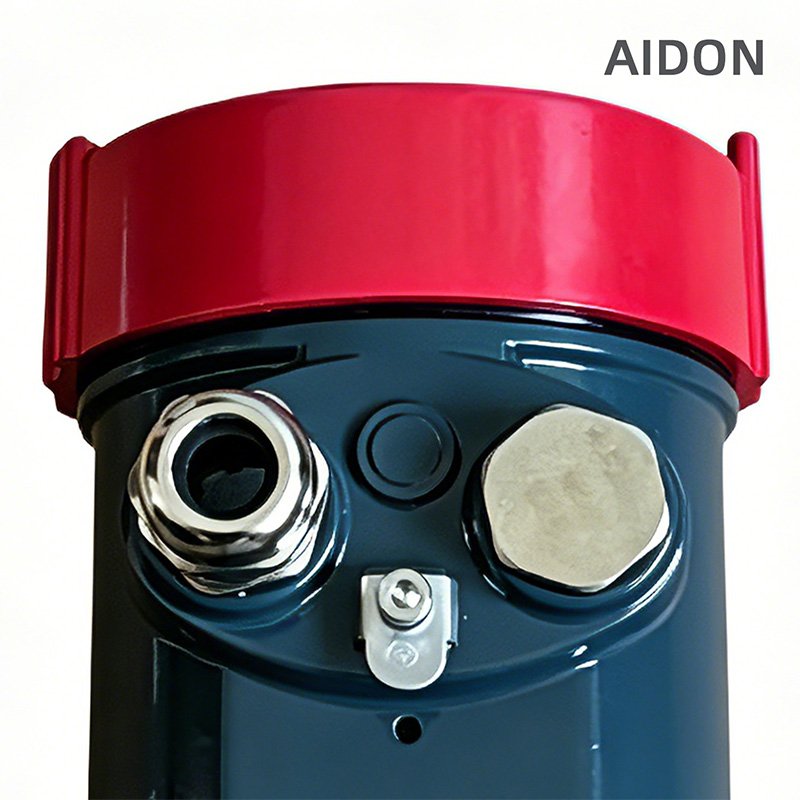
Sensor materials include SS316L and SS304; housing materials include cast aluminum, SS316L, and SS304. These ensure long-term, stable operation in corrosive, high-temperature, and complex industrial environments. With an IP66 protection rating, the devices can be safely used in harsh environments, providing you with exceptional quality.
AIDON Radar Level Meter Suitable for?
If the chemicals you need to handle are not listed below, please contact us. We can provide you with a customized solution at no cost.
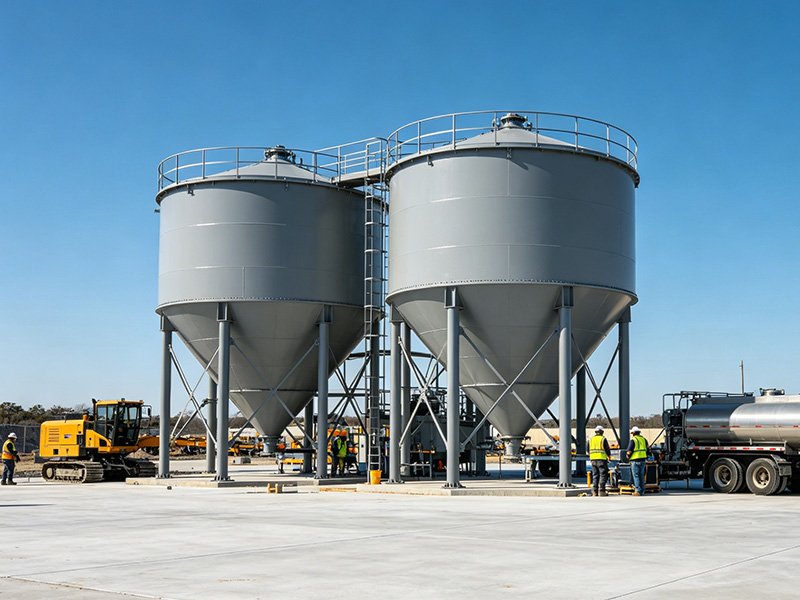
Reliable measurement of powder levels in heavily dusty environments
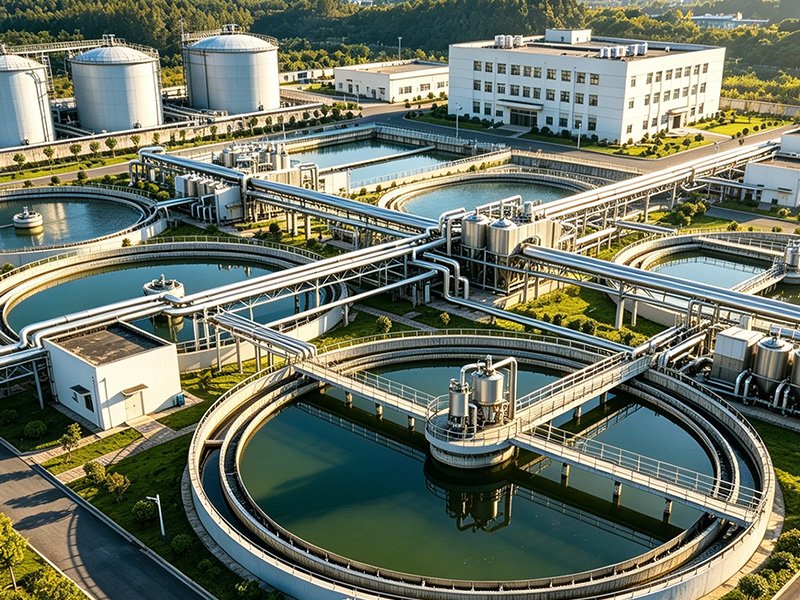
Corrosion-resistant antennas for safe measurement of corrosive liquid levels
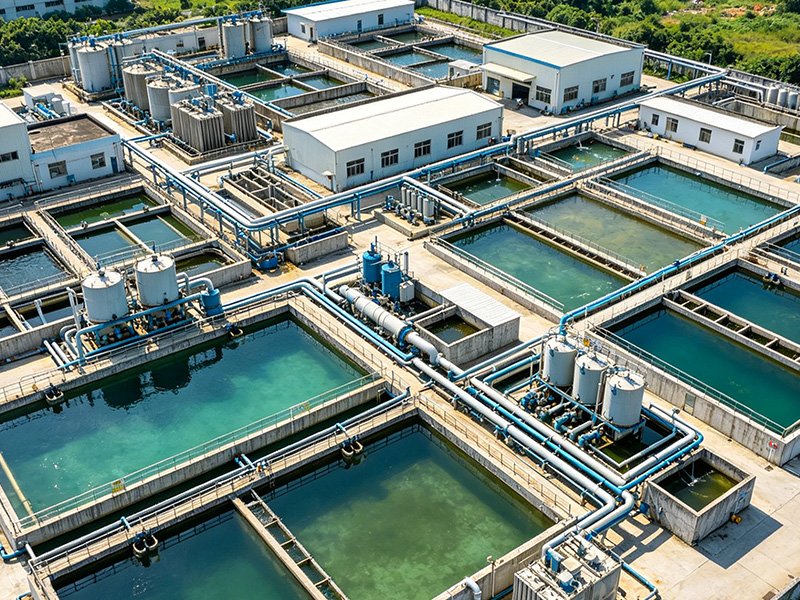
Precise monitoring of wastewater levels in environments with water vapor and foam
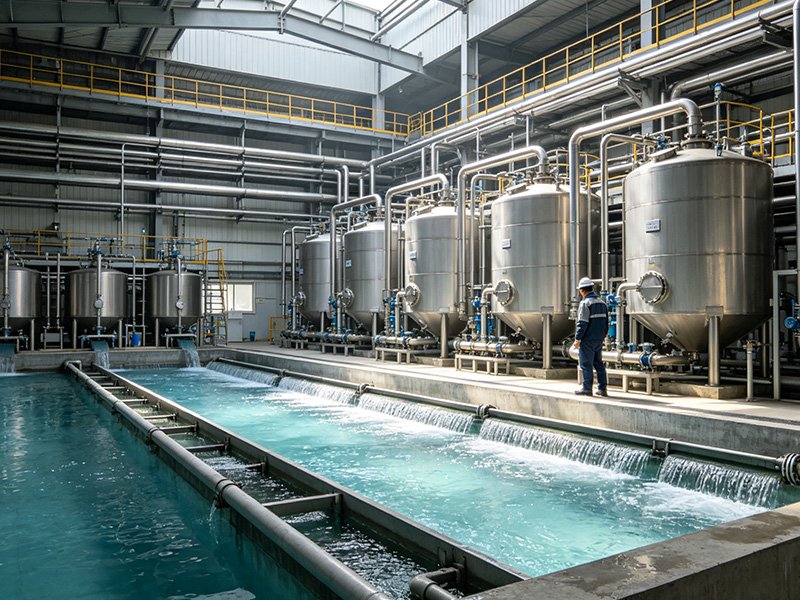
Ensuring the stability of raw materials and process water in food and beverage production.
Technical Specifications
- MTC83-602 Radar Level Transmitter
- MTC83-603 Radar Level Transmitter
- MTC83-604 Radar Level Transmitter
| Parameters | Content |
| Applications | High-temperature environments, highly corrosive liquids, agitation, water vapor condensation |
| Measurement Range | 0–30 m |
| Process Connection | Flange, threaded |
| Medium Temperature | –40–220 °C |
| Process Pressure | –0.3–2.0 MPa |
| Measurement Accuracy | ±1 mm |
| Protection Rating | IP66 |
| Frequency Range | 76–81 GHz |
| Signal Output | 4–20 mA, HART, (2-wire/4-wire) RS485, Modbus |
| Sensor Material | SS316L, SS304 |
| Housing Material | Cast Aluminum, SS316L, SS304 |
| Parameters | Content |
| Applications | Slightly corrosive liquids, agitation, water vapor condensation |
| Measurement Range | 0–30 m |
| Process Connection | Flange, threaded |
| Medium Temperature | –40–130° |
| Process Pressure | –0.1–0.6 MPa |
| Measurement Accuracy | ±1 mm |
| Protection Rating | IP66 |
| Frequency Range | 76–81 GHz |
| Signal Output | 4–20 mA, HART, (2-wire/4-wire) RS485, Modbus |
| Sensor Material | SS316L, SS304 |
| Housing Material | Cast Aluminum, SS316L, SS304 |
| Parameters | Content |
| Applications | High-dust environments, solids, lumpy materials, powders |
| Measurement Range | 0–30 m |
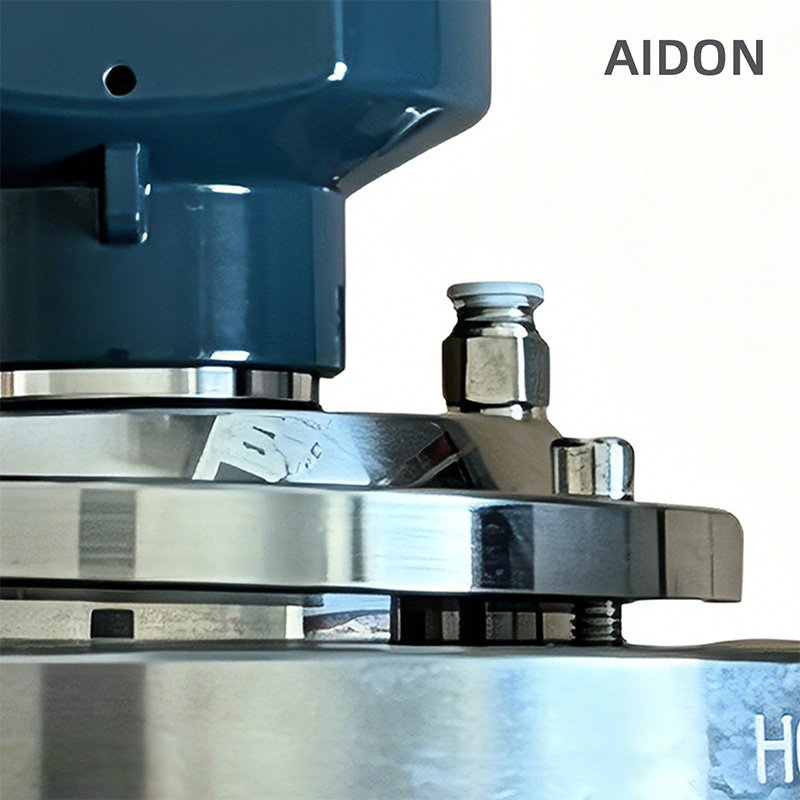
| Process Connection | Universal flange |
| Medium Temperature | –40–120 °C |
| Process Pressure | –0.1–0.6 MPa |
| Measurement Accuracy | ±1 mm |
| Protection Rating | IP66 |
| Frequency Range | 76–81 GHz |
| Signal Output | 4–20mA, HART, (2-wire/4-wire) RS485, Modbus |
| Sensor Material | SS316L, SS304 |
| Housing Material | Cast Aluminum, SS316L, SS304 |
A radar level meter is a non-contact measuring instrument based on the principle of electromagnetic wave reflection. The device emits high-frequency radar waves at 5.8 GHz or higher, receives the echo signals, and calculates the material level using the time-of-flight principle. It is resistant to interference from steam and dust.
Avoid installing the sensor in the center of the tank or silo.
Keep the sensor away from the material inlet to prevent false echoes and measurement errors.
Maintain sufficient clearance from internal obstacles to ensure reliable measurement performance.
Radar level transmitters calculate the level by emitting high-frequency microwaves and receiving the reflected echoes from the material’s surface. The strength of the echo signal is directly related to the dielectric constant of the material’s surface:
The higher the dielectric constant (e.g., water, liquids), the stronger the microwave reflection, the easier it is to receive the echo signal, and the better the measurement stability.
The lower the dielectric constant, the more the microwaves are absorbed or scattered; the reflected signal is weaker and more likely to be masked by interfering echoes, leading to measurement errors or distortion.
The beam angle is defined as the angle measured from the extension of the sensor’s central axis outward to the point where the energy intensity is reduced by half (-3 dB); this angle is known as the beam angle, also referred to as the half-power beam width. The smaller the beam angle, the more concentrated the energy, resulting in a stronger echo signal that allows for more precise target localization and reduces false alarms and measurement errors.