
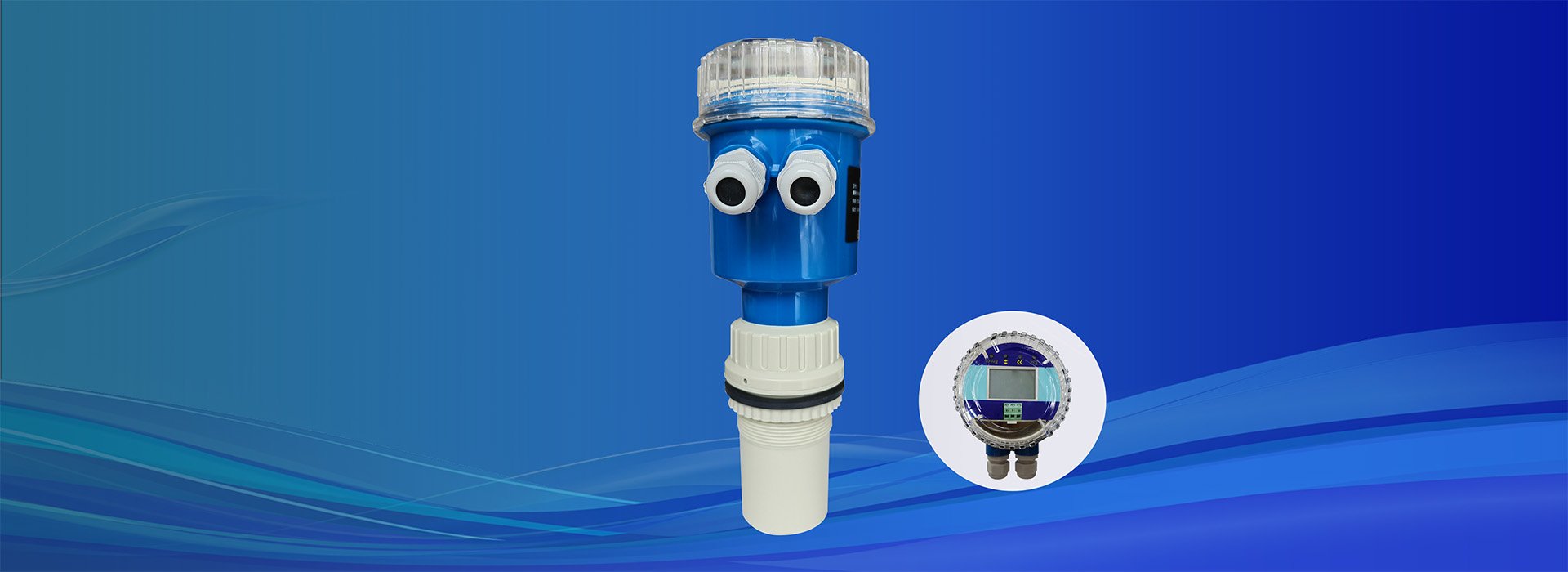
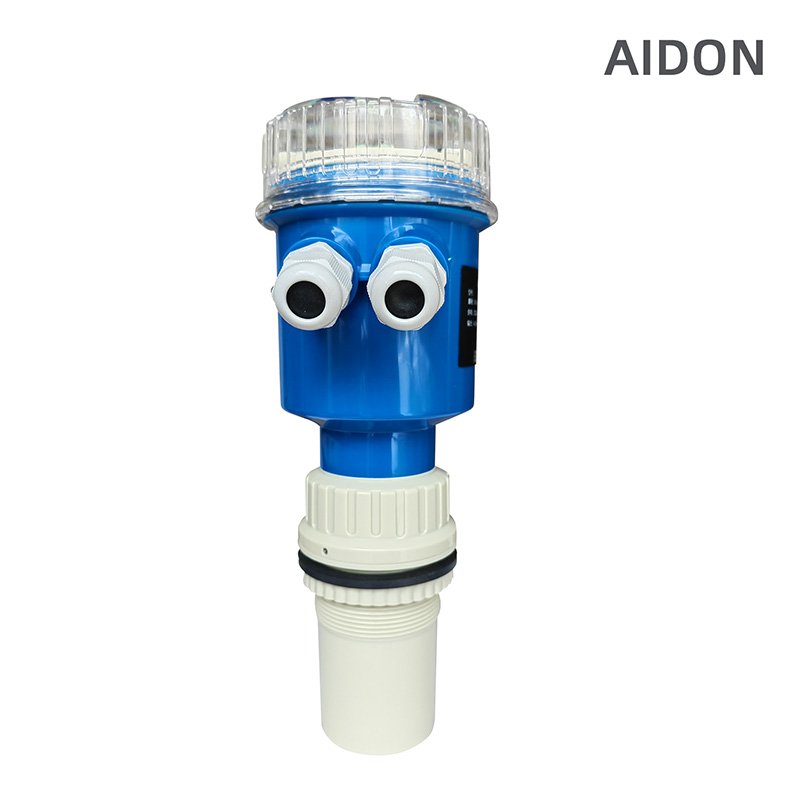
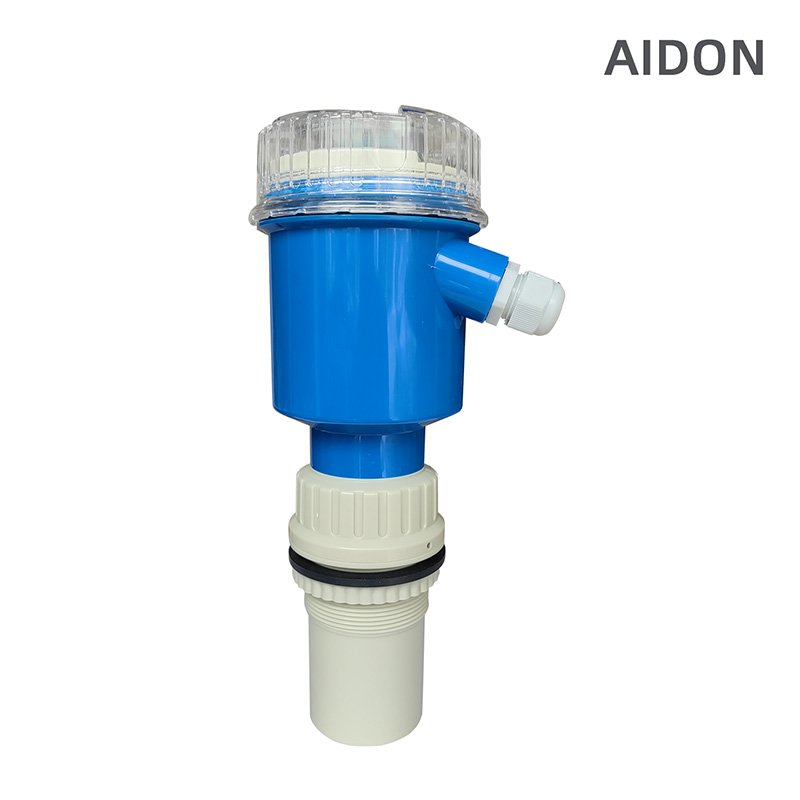
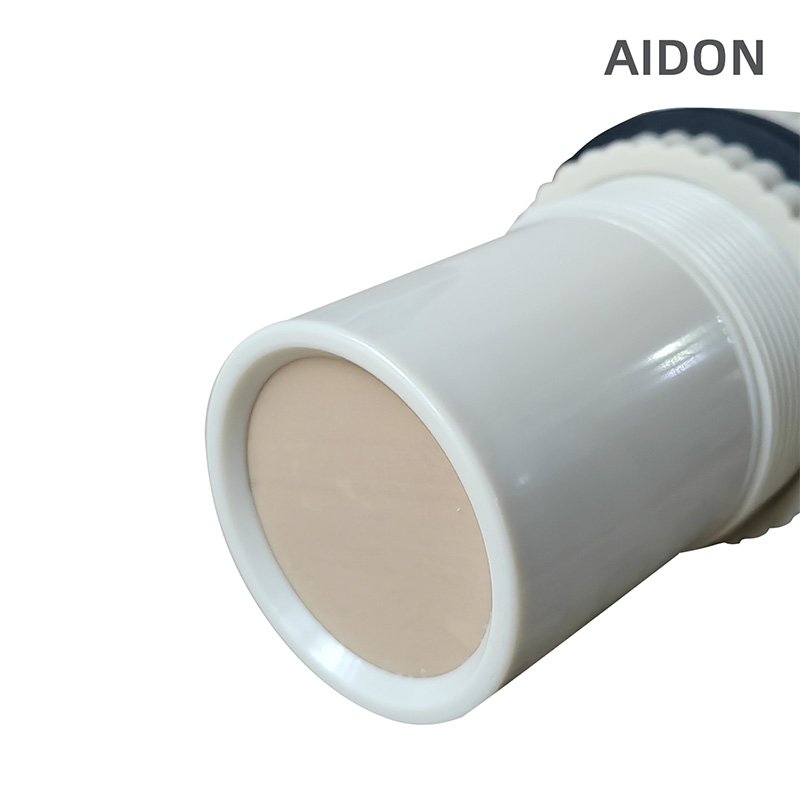
Why Choose AIDON Ultrasonic Level Sensor?
- ISO 9001 certified; rigorously calibrated before shipment
- Available in three probe materials—ABS, PE, and PTFE—to accommodate various liquids
- Three mounting options—threaded, flanged, and bracket—for high adaptability
- Multiple digital output options available for easy integration with various control systems
AIDON—Professional Ultrasonic Level Sensor Provider
AIDON Environmental has 15 years of experience in independent R&D, design, and manufacturing. Through years of providing reliable solutions for municipal, industrial, and wastewater treatment, AIDON has accumulated extensive industry experience. Currently, AIDON’s ultrasonic level sensors are certified under China’s ISO 9001 standard and can help you achieve precise liquid level detection and automation integration.
As a professional R&D and manufacturing company specializing in water treatment equipment, AIDON offers an extremely broad product line. Whether you need an ultrasonic level sensor or large-scale integrated water treatment equipment, AIDON can design a complete treatment solution for you.
Features of Ultrasonic Level Sensor

Utilizes the non-contact ultrasonic measurement principle for easy installation.

Measurement accuracy reaches ±0.5% with a small blind zone, enabling precise liquid level monitoring.

Probes are available in three materials—ABS, PE, and PTFE—to accommodate various liquids.

Supports three installation methods—threaded, flanged, and bracket-mounted—offering strong adaptability and flexible installation.

Supports RS485 communication and can connect to various operating systems to enable intelligent monitoring.

The main housing is made of ABS, providing high impact resistance and making it suitable for industrial environments.

Suitable for various scenarios, including wastewater treatment, chemical dosing systems, and the chemical industry.

No mechanical wear, significantly reducing the need for routine maintenance.
High Accuracy, Small Dead Zone
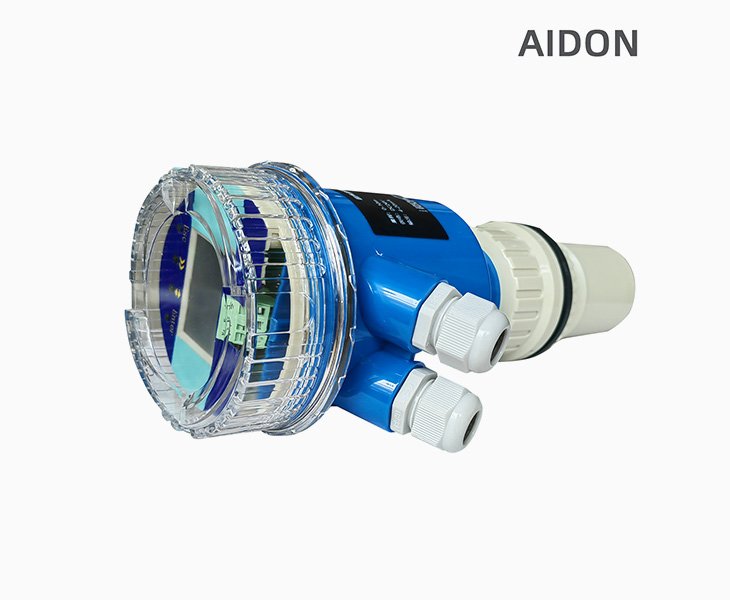
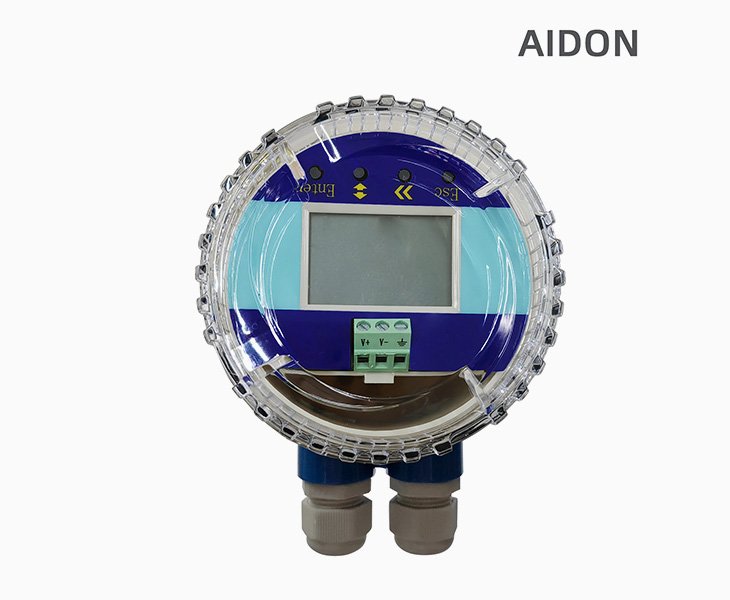
AIDON ultrasonic level sensors are available with probes made of ABS, PE, or PTFE. Measurement accuracy can be maintained within ±0.5%, allowing you to monitor corrosive liquids. The ultrasonic level sensor features a small dead zone, which improves your overall detection performance. Additionally, AIDON ultrasonic level sensors offer an optional digital output for intelligent monitoring.
Non-Contact Measurement
AIDON ultrasonic level sensors support non-contact ultrasonic measurement and offer strong resistance to interference. Furthermore, because they operate on the principle of ultrasonic waves, they eliminate mechanical wear, significantly reducing your daily maintenance requirements and saving you time and effort. Combined with industrial-grade protection design and a durable structure, they effectively lower your total cost of ownership.
AIDON Ultrasonic Level Sensor Suitable for?
If the chemicals you need to handle are not listed below, please contact us. We can provide you with a customized solution at no cost.
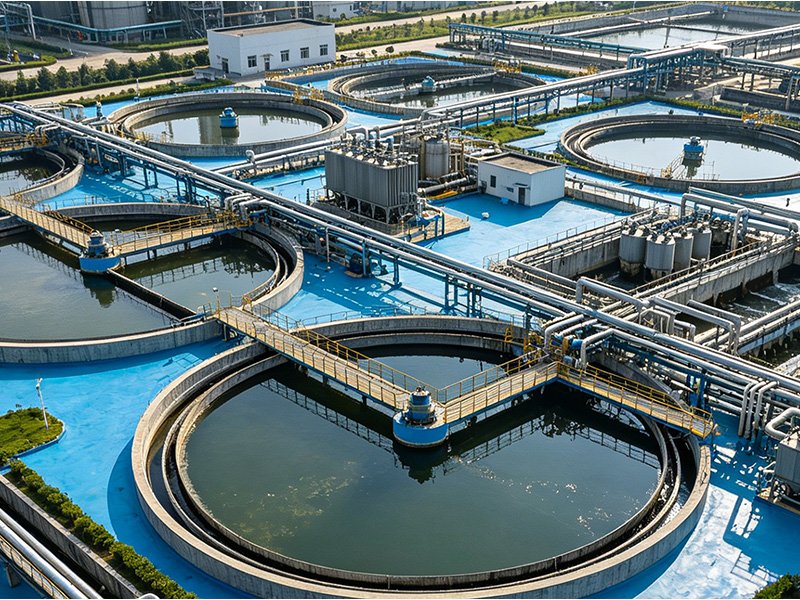
AIDON ultrasonic level sensors provide stable monitoring of wastewater, delivering continuous and reliable level data to water treatment plants to efficiently optimize wastewater treatment processes.
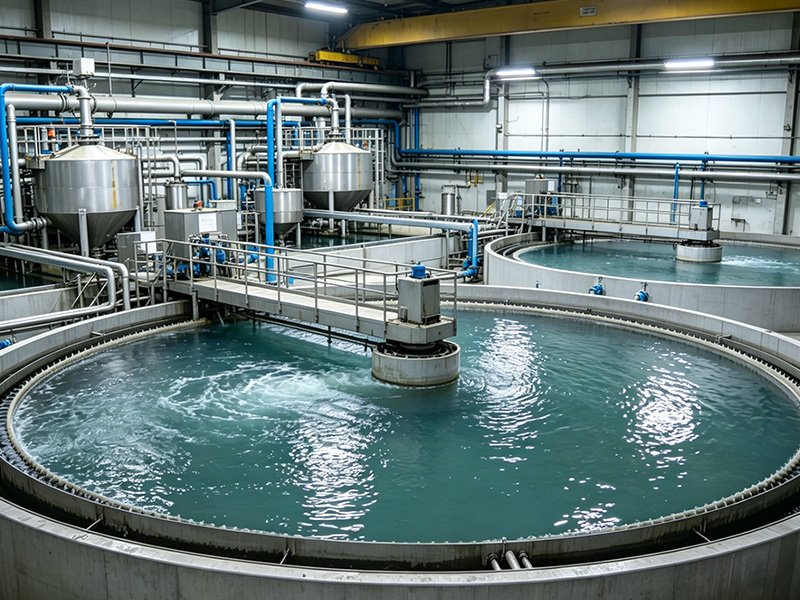
AIDON ultrasonic level sensors provide continuous liquid level monitoring for chemical dosing systems in water treatment processes.

By selecting probes made of different materials, AIDON ultrasonic level sensors can safely monitor various corrosive chemical liquids.
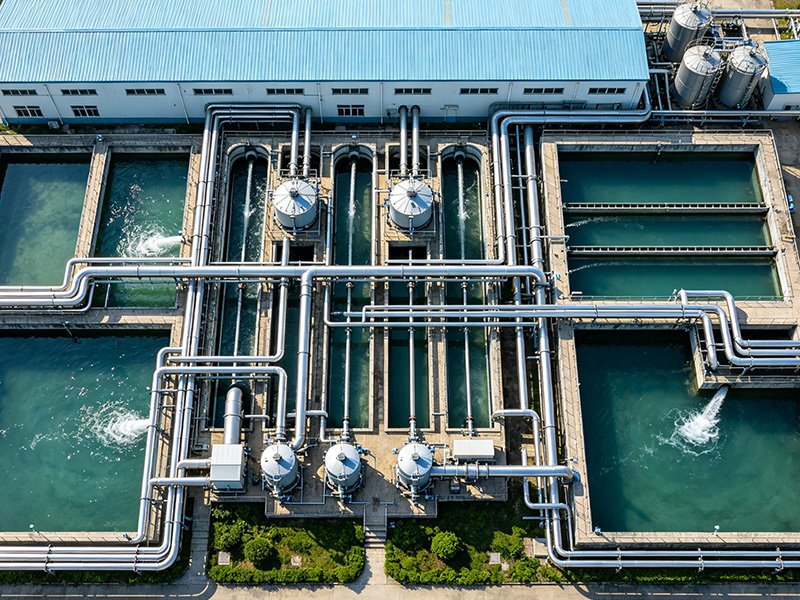
AIDON ultrasonic level sensors provide real-time liquid level data for pumping stations, ensuring the normal operation of their systems.
More About Ultrasonic Level Sensor
- Specifications for the Ultrasonic Level Sensor
| Parameters | Content |
| Operation | Push-button |
| Display | LCD |
| Main Housing Material | ABS |
| Ambient Temperature | –20°C to 60°C |
| Process Temperature | –20°C to 60°C |
| Measurement Dead Zone | 35 cm |
| Measurement Range | 0–5 m, 0–10 m, 0–15 m |
| Sensor Length | 85 mm, customizable |
| Power Supply | DC 24 V, AC 220 V |
| Analog Output | 4–20 mA |
| Digital Output | None; Optional: RS485 (Modbus-RTU protocol or other custom protocols) |
| Relay Output | None; Two-channel relay output (optional) |
| Probe Material | ABS, PE, PTFE |
| Protection Rating | IP65 |
| Electrical Connection | M20×1.5 (external thread) |
| Process Connection | Threaded, flanged, bracket |
| Process Connection Thread | φ59×2 mm (standard) |
| Measured Medium | Liquids, corrosive liquids |
| Measurement Accuracy | ±0.5% |
| Operating Conditions | Atmospheric pressure, slight agitation |
An ultrasonic level sensor is an industrial measurement device that utilizes the principle of non-contact ultrasonic waves. The device emits ultrasonic pulses vertically through a probe and receives signals reflected from the liquid surface; it then calculates the liquid level height using a formula that accounts for temperature-dependent variations in the speed of sound. It is widely used in liquid measurement applications.
In a one-piece ultrasonic level sensor, the ultrasonic probe, signal processing unit, and display are integrated into a single unit. The advantages of this design include easy installation and reduced wiring; the integrated design also makes device calibration more convenient.
In a split-type ultrasonic level sensor, the probe and signal processing unit are separate. The ultrasonic probe is installed at the measurement point, while the signal processing unit is installed in the control room or another location convenient for operation. The advantages include strong resistance to interference and ease of operation.
Radar level meters are suitable for environments with dust, acid mist, steam, or vacuum conditions. They offer high measurement accuracy, a wide measurement range, and superior resistance to interference.
Ultrasonic level sensors have a long measurement range, offer better value for money, provide strong penetration capabilities, and are simpler and more convenient to maintain.
Maintenance Tips for Ultrasonic Level Sensors
- When using the instrument in extremely hot or cold environments, install high- and low-temperature protection devices around the instrument.
- During operation, avoid exposing the instrument to direct sunlight or rain.
- For outdoor installations, it is recommended to install a sunshade to extend the instrument’s service life.
- Ensure wires and cables are properly sealed to prevent water accumulation and electrical leakage.