
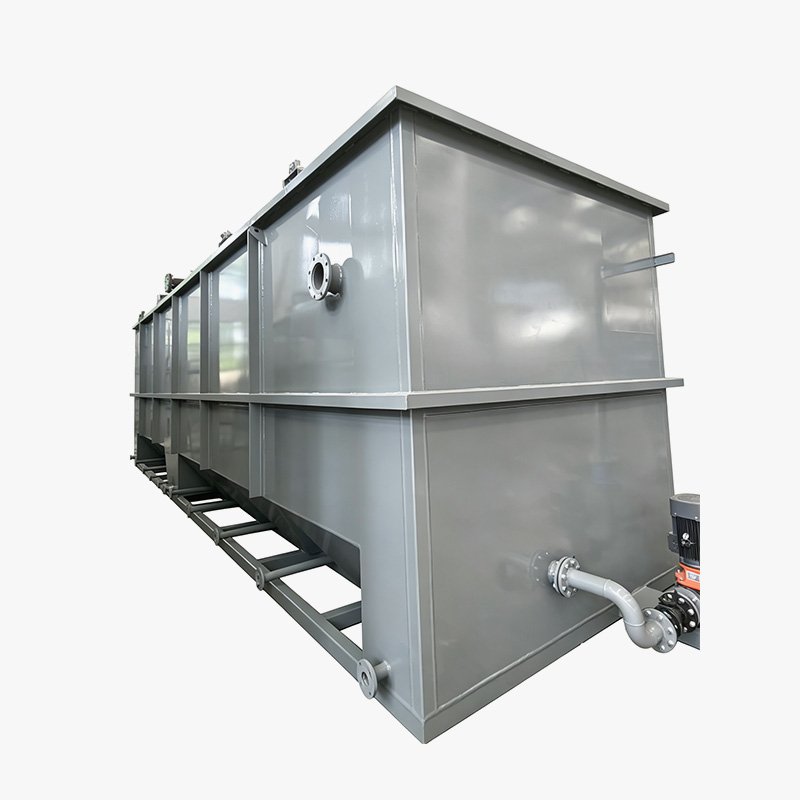
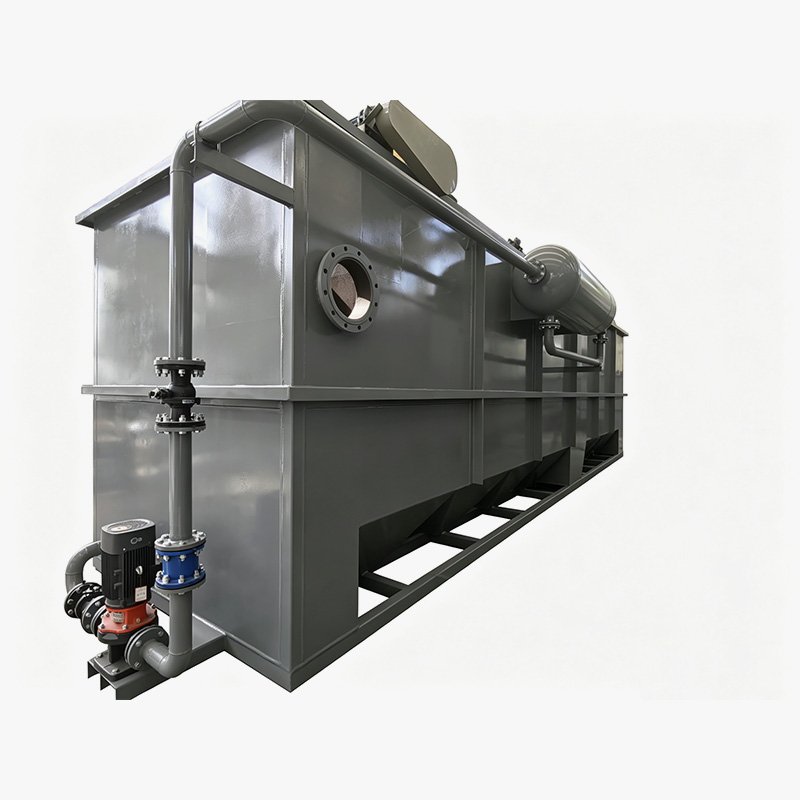
Dissolved Air Flotation
- Micron-level dissolved air technology, with a capture efficiency of ≥95%
- Integrated system design, ready to use upon delivery
- Maintenance-free operation for long-term reliability
- Complementary upstream and downstream products available
- Customized solutions tailored to your needs
Aidon—One-Stop Dissolved Air Flotation Provider
For over 15 years, Aidon has been dedicated to the independent research, development, and production of DAF systems. All dissolved air flotation units utilize industry-leading microbubble control technology, and the scrapers on each unit are made of 316 stainless steel, ensuring exceptional overall treatment performance and high-quality effluent.
Aidon strictly adheres to the principle of “quality first.” Prior to shipment, every dissolved air flotation unit undergoes calibration of its core components, interlocking tests of the PLC control system, a 48-hour continuous test of the dissolved air system, and an inspection of the sludge discharge system components. The equipment is also packed using specialized marine shipping packaging to ensure it is ready for immediate use upon arrival.
Aidon Dissolved Air Flotation
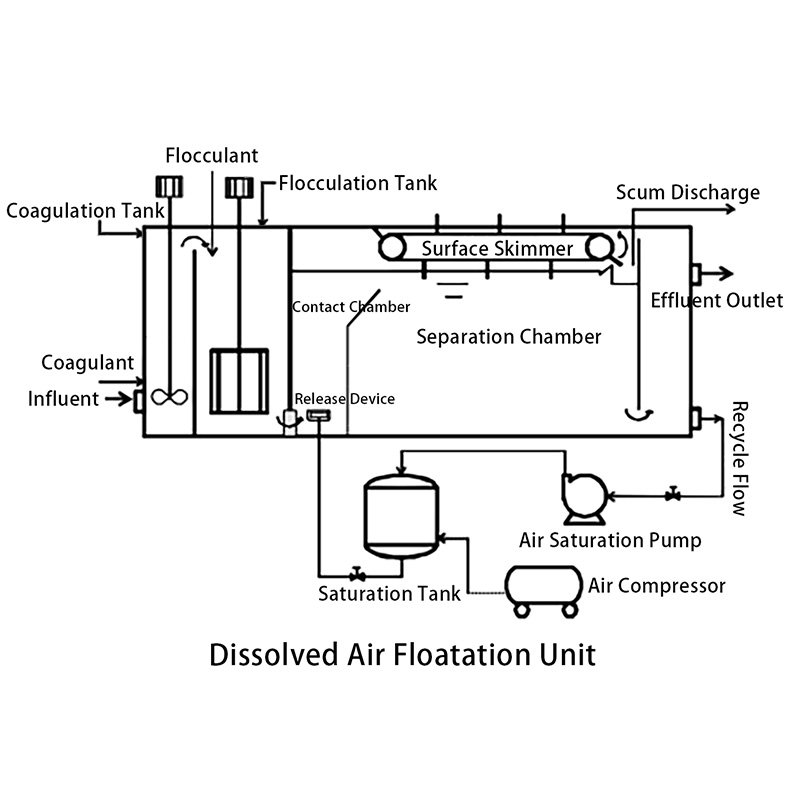
Wide range of applications and high treatment efficiency. The treated effluent meets the industry’s highest standards.
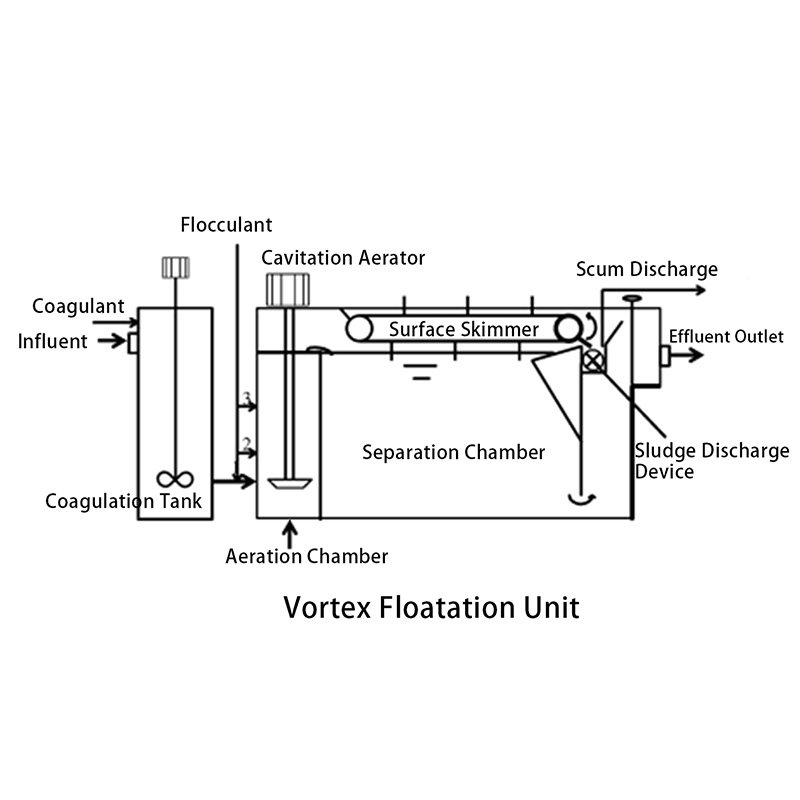
Low purchase cost and low operating energy consumption. The treated effluent meets basic industry standards.
Features of Our Dissolved Air Flotation

Utilizes micron-grade high-precision filter cloth, ensuring stable suspended solids (SS) in the effluent at ≤5 mg/L to meet your effluent water quality standards.

Discs are backwashed sequentially one by one; while the backwash nozzle suctions from a specific disc, the remaining discs continue normal filtration and water production simultaneously

Features an integrated steel tank structure, shipped fully assembled, and ready for plug-and-play use upon arrival, with an extremely short on-site installation period.

The vertically stacked disc design provides 4–5 times the filtration area of traditional sand filters within the same footprint.

Utilizes the head difference between inlet and outlet water for gravity filtration. The backwash system is equipped with low-power motors, meeting low-carbon standards.

Controlled via a PLC control cabinet with touchscreen operation. Capable of fully automated, unattended operation. Supports one-touch start/stop and online monitoring.
High-Efficiency, High-Standard Water Purification
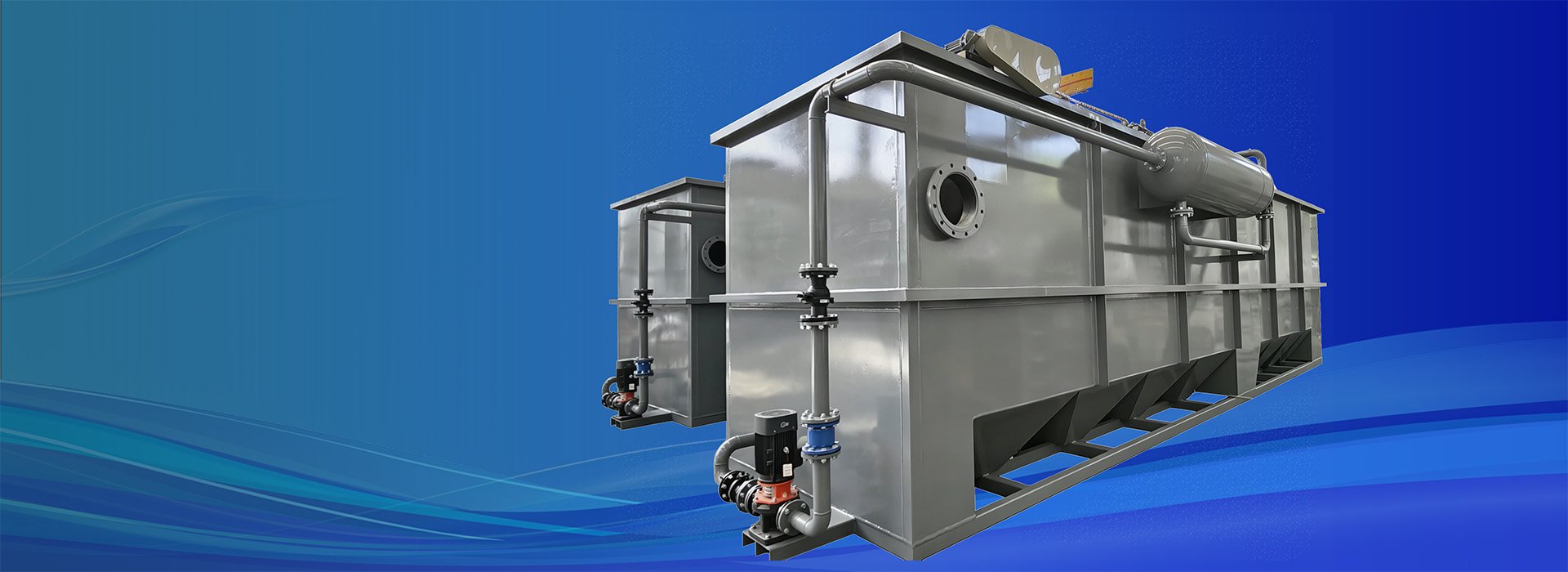
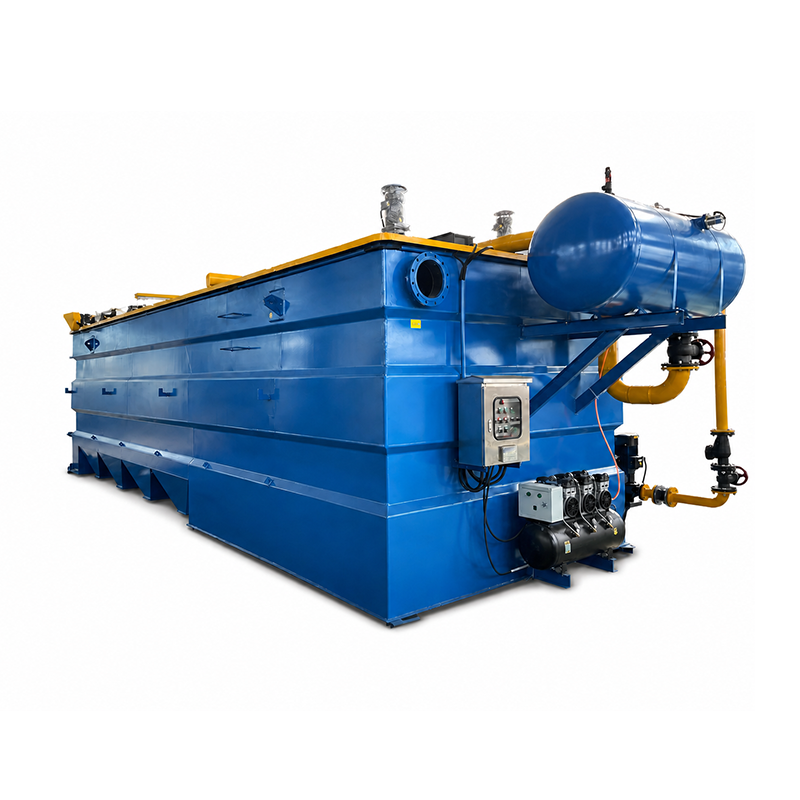
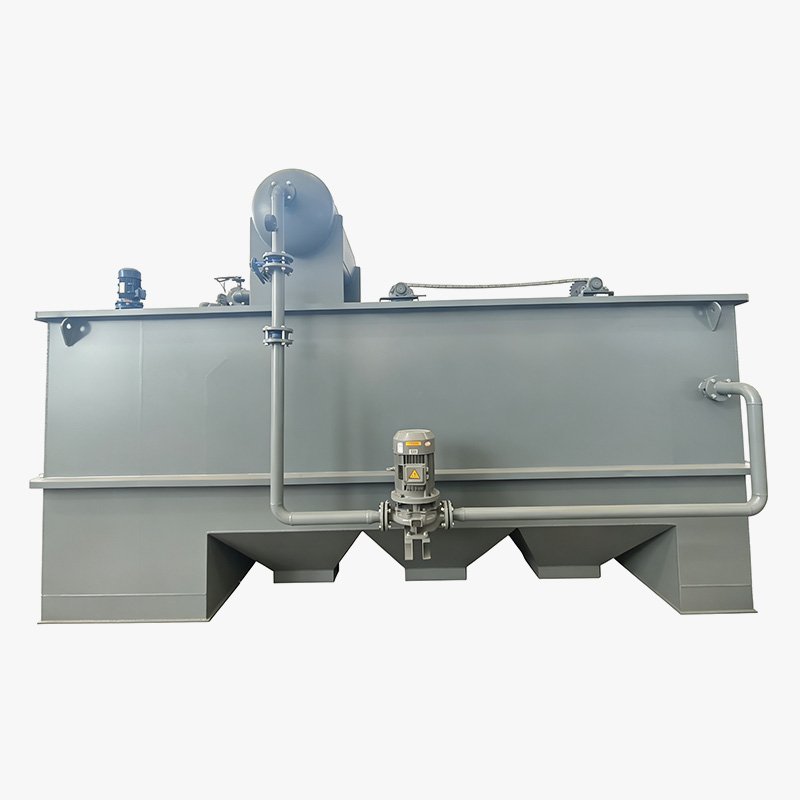
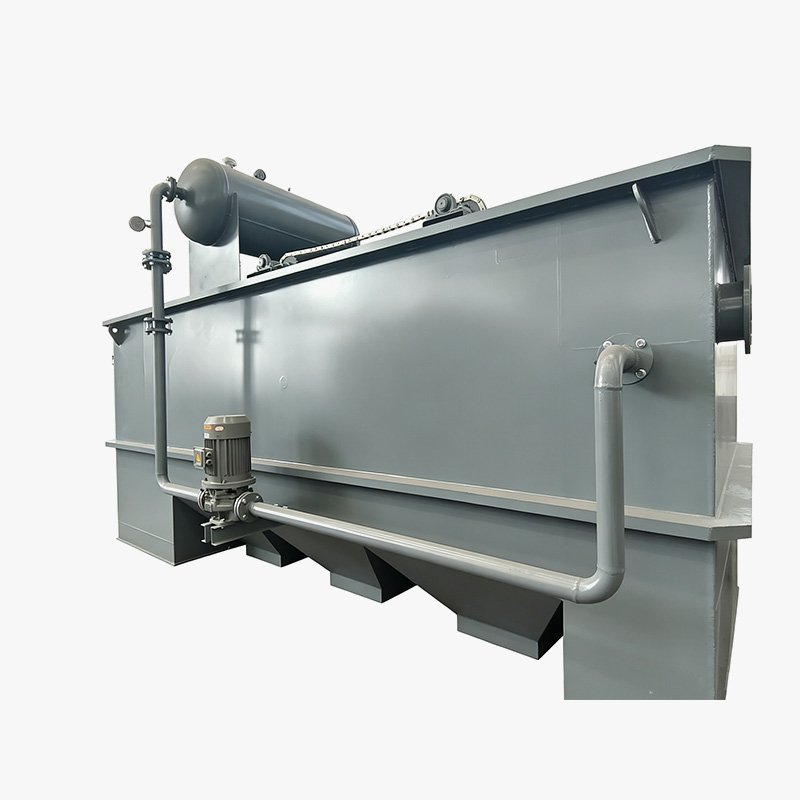
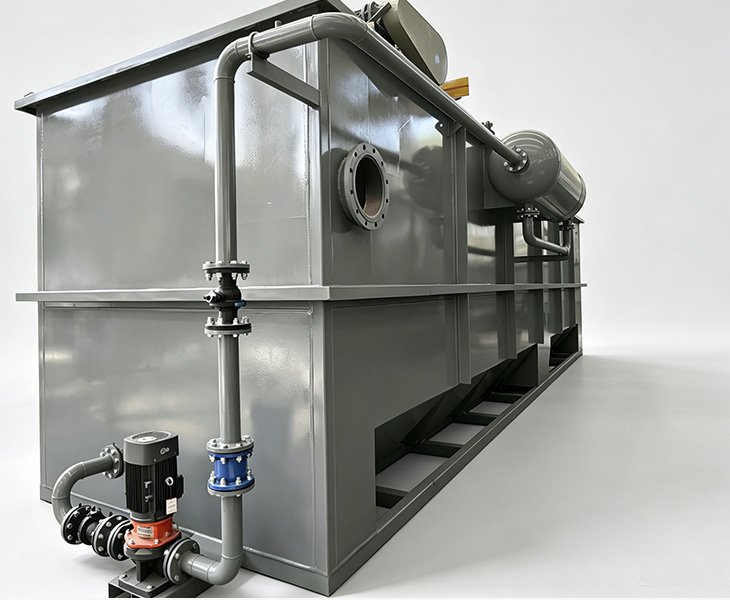
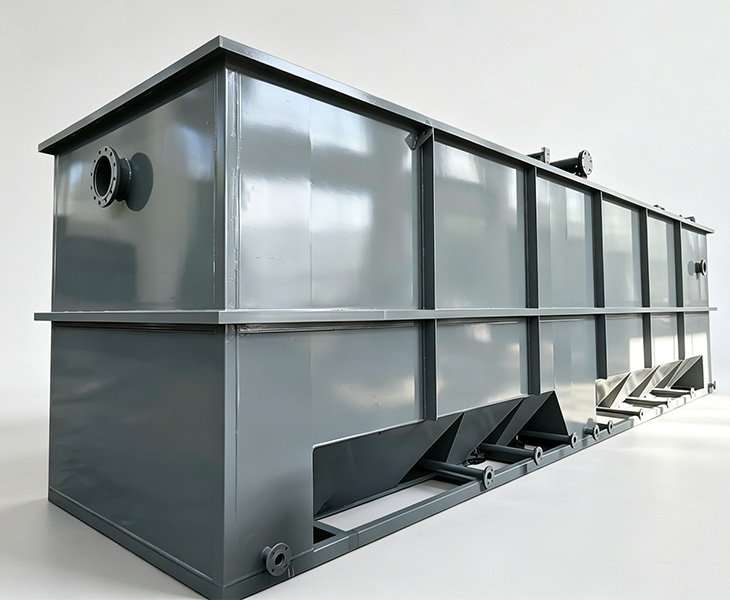
Featuring a multifunctional integrated design that combines coagulation, flocculation, flotation, and sludge scraping into a single unit. The integrated stainless steel tank has a small footprint, maximizing space utilization. The Aidon DAF system releases ultra-fine bubbles with a diameter of just 35 microns in the release zone, offering superior adsorption capacity and achieving a capture rate of over 95%. Combined with a PLC control cabinet, it ensures effortless operation.
Corrosion-Resistant, Durable, and Long-Lasting
The Aidon dissolved air flotation integrated tank is constructed from 316 stainless steel, while the flotation tank is available in carbon steel, 304 stainless steel, and PP. Scrapers are available in nylon, carbon steel, and stainless steel. Select the appropriate material based on treatment requirements and budget. The Aidon DAF system supports automatic backwashing. Combined with our proprietary physical flow channel design, this ensures the stable release of micron-sized bubbles under all operating conditions, eliminating downtime caused by blockages.
Aidon Dissolved Air Flotation Suitable for?
If the chemicals you need to handle are not listed below, please contact us. We can provide you with a customized solution at no cost.
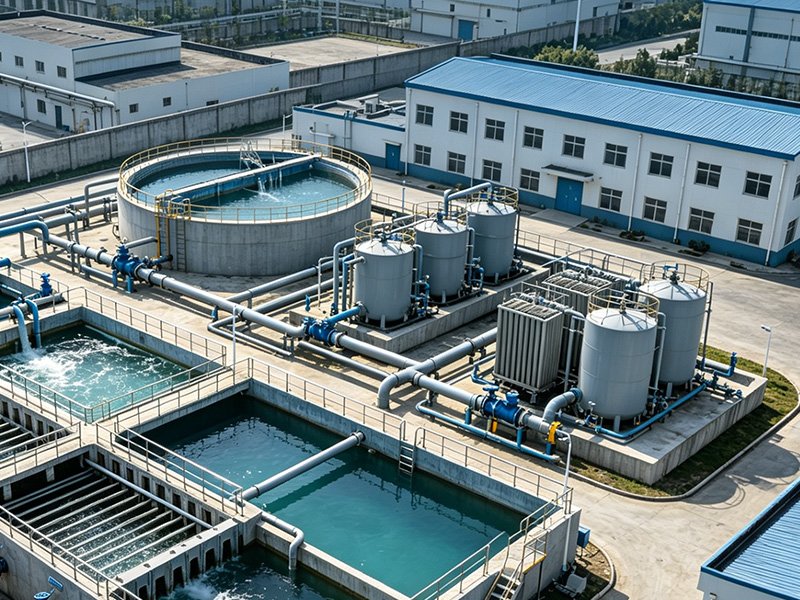
Removes floating matter, oils, and some suspended solids from wastewater.
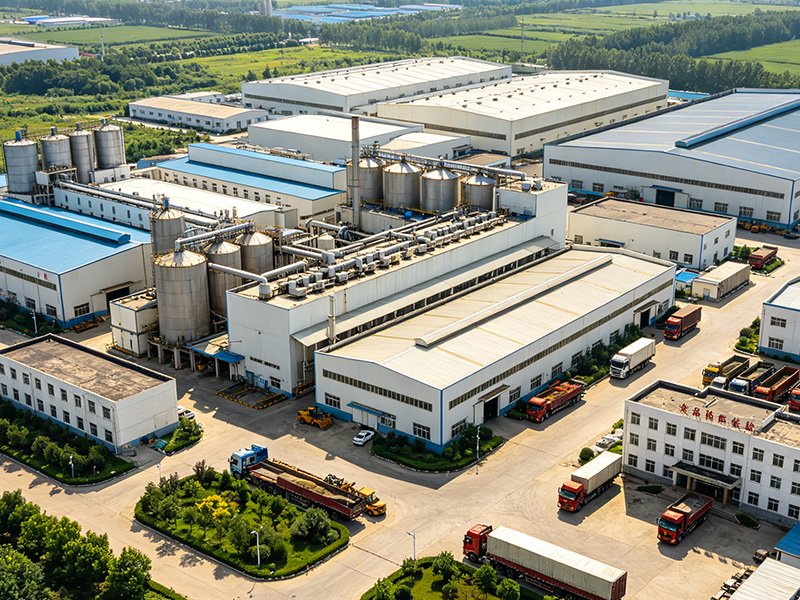
Treats pollutants such as large amounts of organic matter, suspended solids, and oils in food processing wastewater.
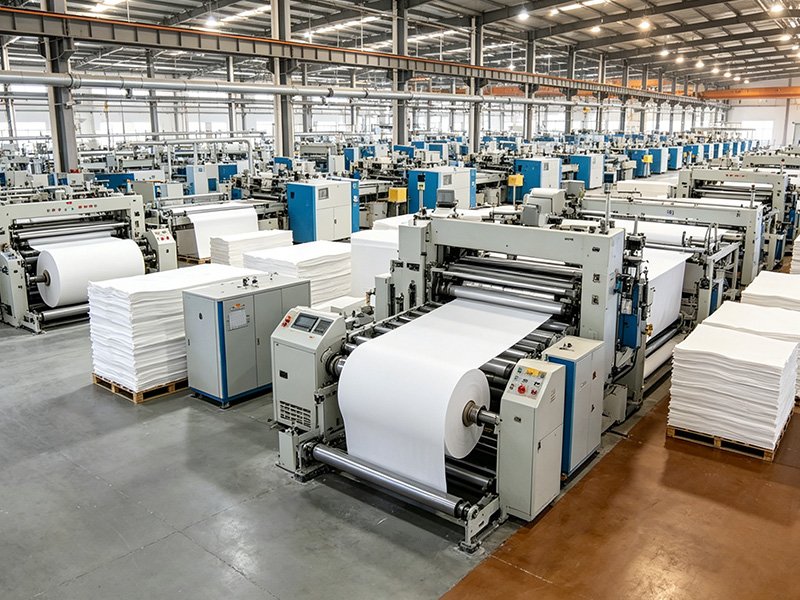
Removes pollutants such as dye particles and auxiliaries from textile printing wastewater, reducing the wastewater’s color and COD levels.
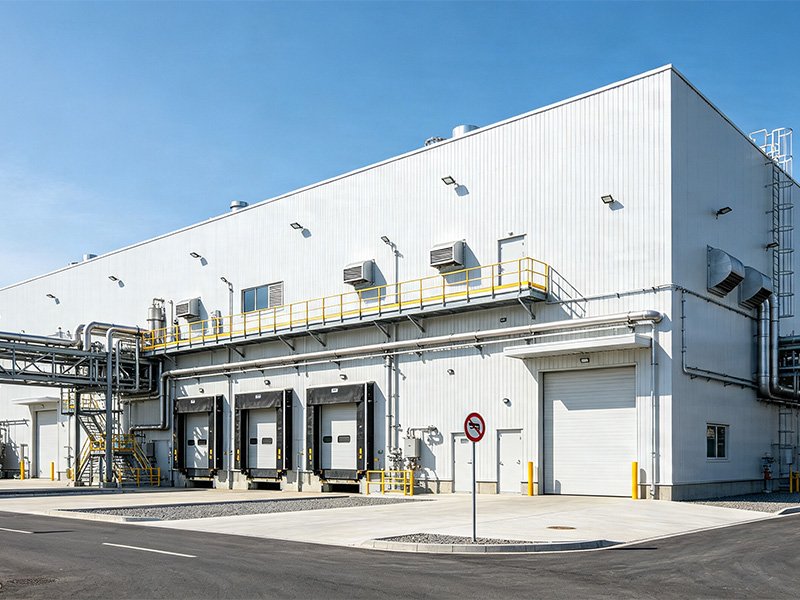
Enables the removal of heavy metal ions with the aid of suitable flocculants.
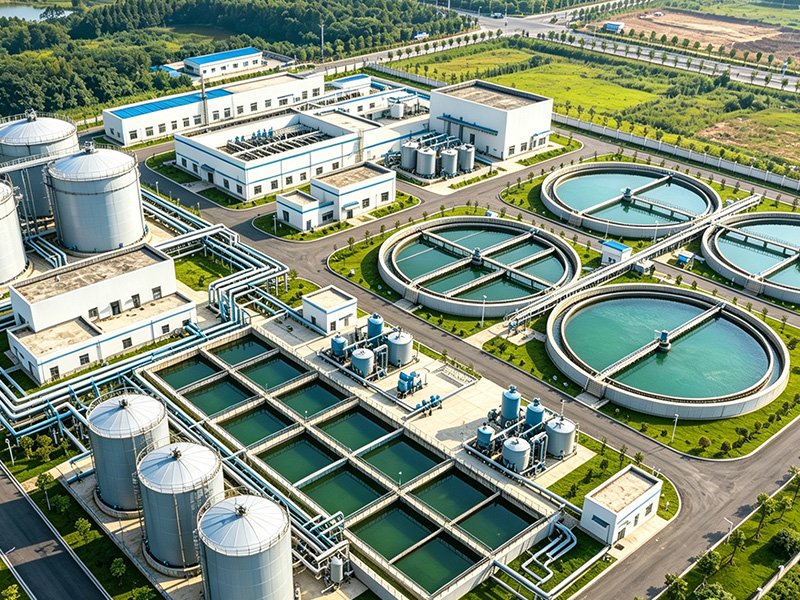
Can be used to remove impurities such as algae, plankton, and silt during primary and secondary water treatment stages.
Dissolved air flotation releases microbubbles by pressurizing dissolved air, making it more efficient at removing fine particles. It is suitable for treating oily and high-concentration wastewater.
Vortex flotation uses a high-speed rotating impeller to generate microbubbles. It is suitable for treating wastewater with high concentrations of suspended solids, has low energy consumption, and can meet basic industry standards.
Based on effluent quality, choose dissolved air flotation if standards are strict; choose vortex flotation if only pretreatment is required and the budget is limited.
The entire Aidon dissolved air flotation product line is integrated with a PLC control system, supporting one-button control and automated operation. The PLC system features a touchscreen interface with a simple user interface, allowing you to monitor the operating status at any time. With proper training and by following the product manual, even inexperienced personnel can operate the system proficiently, making it very easy for you to get started.
Aidon maintains close communication with its customers. According to our analysis of customer feedback, the operating costs of Aidon dissolved air flotation are 17% lower than the industry average. This low energy consumption is primarily due to the low power consumption of the pumps and air compressors. Additionally, the air-to-water ratio can be adjusted in real time, which helps reduce energy waste to a certain extent.
What is the operating principle of dissolved air flotation?
Dissolved air flotation (DAF) operates on the principle of air flotation, also known as flotation. It involves introducing air into wastewater to generate microscopic bubbles that act as carriers. These bubbles cause pollutants such as emulsified oil and fine suspended solids to adhere to them, forming flotation particles. Utilizing the buoyancy of the bubbles, these particles rise to the water’s surface, where the foam or scum is collected to separate impurities and purify the wastewater. This method is primarily used to treat emulsified oil or fine suspended particles with a specific gravity close to 1 in wastewater, which are difficult to remove by natural sedimentation or flotation alone.
The flotation process involves a series of continuous steps, including bubble generation, particle (solid or droplet) attachment to bubbles, and upward flotation and separation. There are two essential conditions for successful flotation separation: First, a sufficient number of fine bubbles must be introduced into the water, with an ideal bubble size of 15–30 μm; second, the target particles must be in a suspended state or possess hydrophobic properties to allow them to adhere to the bubbles and float to the surface.
Dissolved Air Flotation vs Vortex Flotation
- Treatment Efficiency: Dissolved air flotation (DAF) produces small bubbles, ensuring high attachment efficiency; it features a short retention time; and it guarantees stable effluent quality. In contrast, vortex flotation achieves removal rates of over 80% for oils and suspended solids (SS). BOD and COD removal rates can reach over 60%. In contrast, dissolved air flotation (DAF) systems achieve BOD and COD removal rates of only about 35%. They promote the oxidation of sulfides, reducing the sulfur content in wastewater.
- Operating Costs: Dissolved air flotation has relatively low energy consumption, with the main power-driven equipment being water pumps and air compressors, which have a long service life. Vortex flotation does not require pressure vessels, air compressors, or recirculation pumps, significantly reducing electricity consumption. Compared to dissolved air flotation (DAF), it eliminates the need for dissolved air tanks, air compressors, and high-pressure pumps, resulting in energy consumption that is only 1/8 to 1/10 of that of traditional DAF systems.
- Automation Level: Dissolved air flotation features a high degree of automation. Equipped with a PLC-based intelligent control system, it can adjust the air-to-water ratio in real time to prevent energy waste.
Why is the scum rising slowly and the effluent quality poor?
This phenomenon may be caused by the following reasons:
- Insufficient dosage of flocculants or improper mixing ratios, making it difficult for flocs to form.
- Insufficient dissolved air pressure, resulting in few bubbles that are too large, with weak capacity to adsorb and entrain impurities.
- Excessively high inflow velocity, causing the formed flocs to break apart due to impact, preventing them from floating smoothly.
- Imbalanced water level in the tank, leading to insufficient retention time for scum separation.
Solutions:
- Reasonably adjust the type and dosage of coagulants to enhance flocculation and prevent the failure of flocs to form.
- Adjust the operating pressure of the dissolved air pump to ensure an adequate supply of microbubbles and appropriate bubble size.
- Reduce the influent flow rate to slow down the flow velocity and prevent water impact.
- Adjust the water level in the dissolved air flotation tank to allow sufficient time for separation and scum removal.
What precautions should be taken during winter operation of the dissolved air flotation system?
- Check daily to ensure that the feed pump and recirculation pump are not frozen, and check the lubrication and oil levels of the pumps.
- Check whether the air filter and water separator valve of the air compressor are frozen, and watch for any unusual noises or abnormal heating.
- Check whether the drive components and scraper blades of the sludge scraper have hardened or broken under cold conditions.
- When shutting down the system, ensure that all water is completely drained from the piping to prevent freezing and blockages.
- Provide additional insulation for pumps, pipes, and other components whenever possible.