
Why Choose Aidon Mechanical Screen?
- Certified to the ISO 9001 international standard
- Custom solutions available to meet your needs
- Core components developed and manufactured in-house
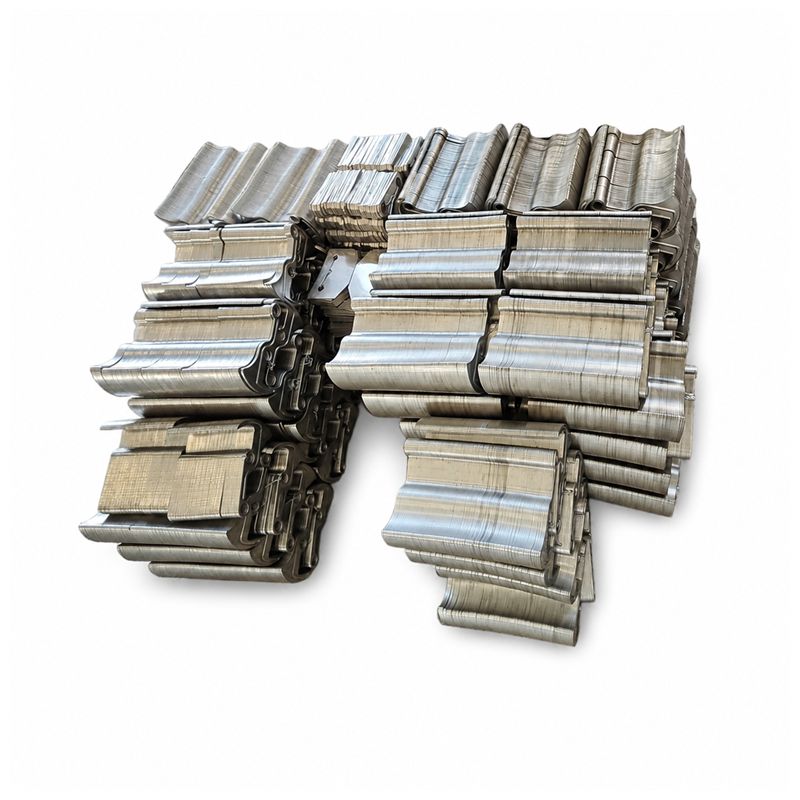
- Rake teeth available in 304 or 316L stainless steel
- Installation drawings and remote technical support provided
Aidon—One-Stop Mechanical Screen Provider
For over 15 years, AIDON has specialized in the research, development, and manufacturing of mechanical screens. All components of AIDON mechanical screens are made of 304 stainless steel, with 316L stainless steel available as an option, effectively trapping debris and protecting downstream processing equipment.
AIDON strictly adheres to the principle of “quality first.” Before shipment, the core components of every mechanical screen are calibrated, and all parts are thoroughly inspected. In addition, the equipment is packaged in specialized laminated cardboard boxes and wooden crates for ocean freight to ensure that it is ready for use as soon as you receive it.
Different Types of Aidon Mechanical Screen
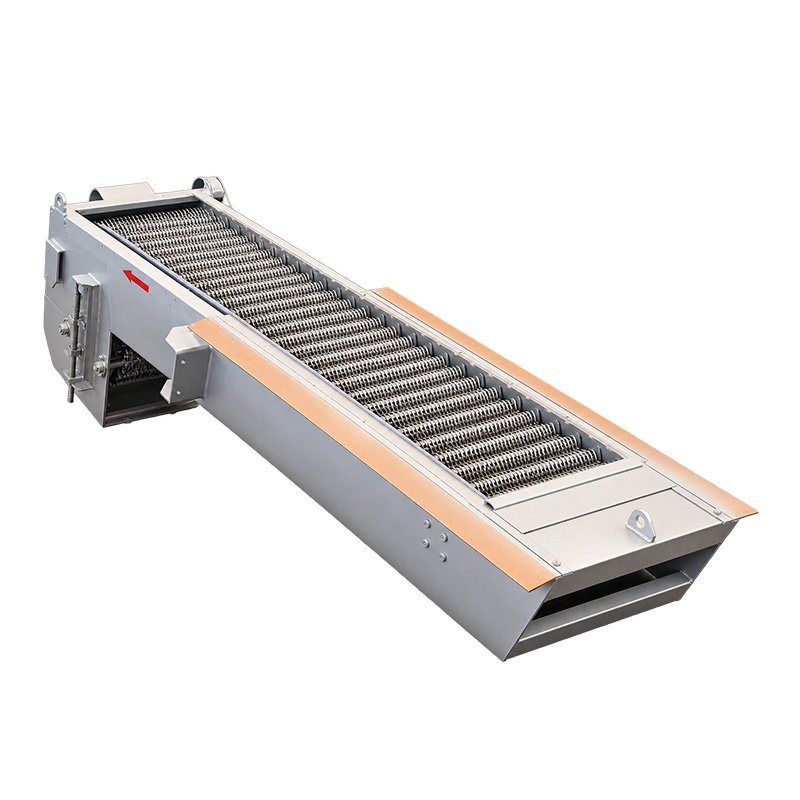
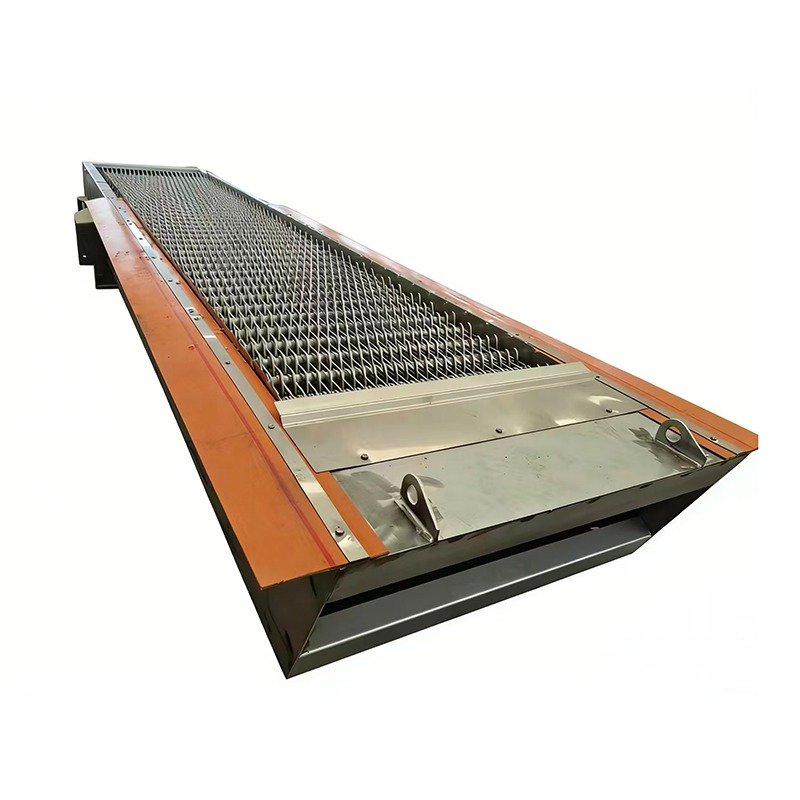
Suitable for removing fine solid impurities from wastewater.
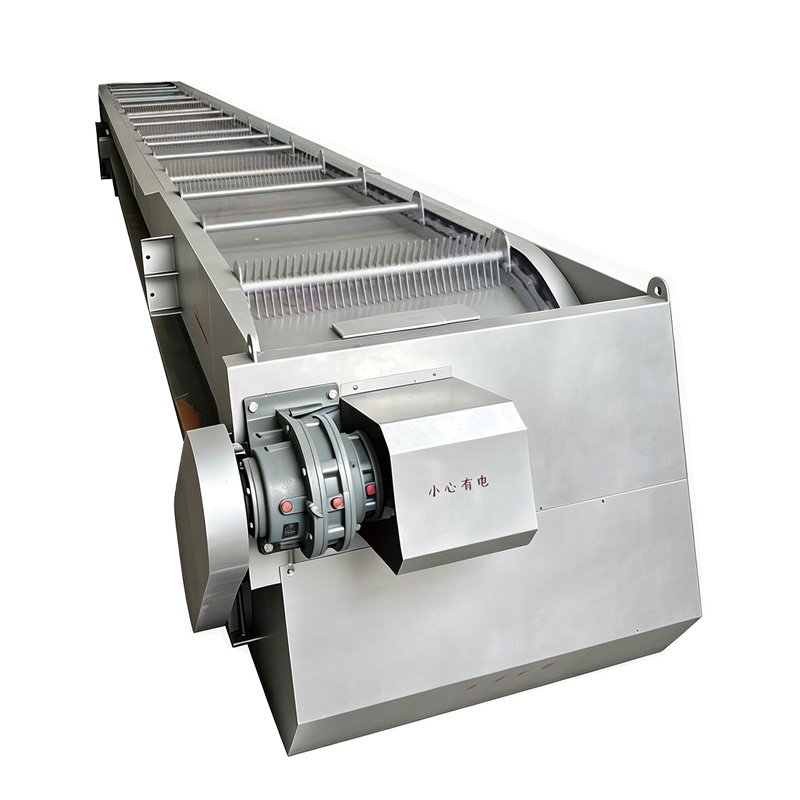
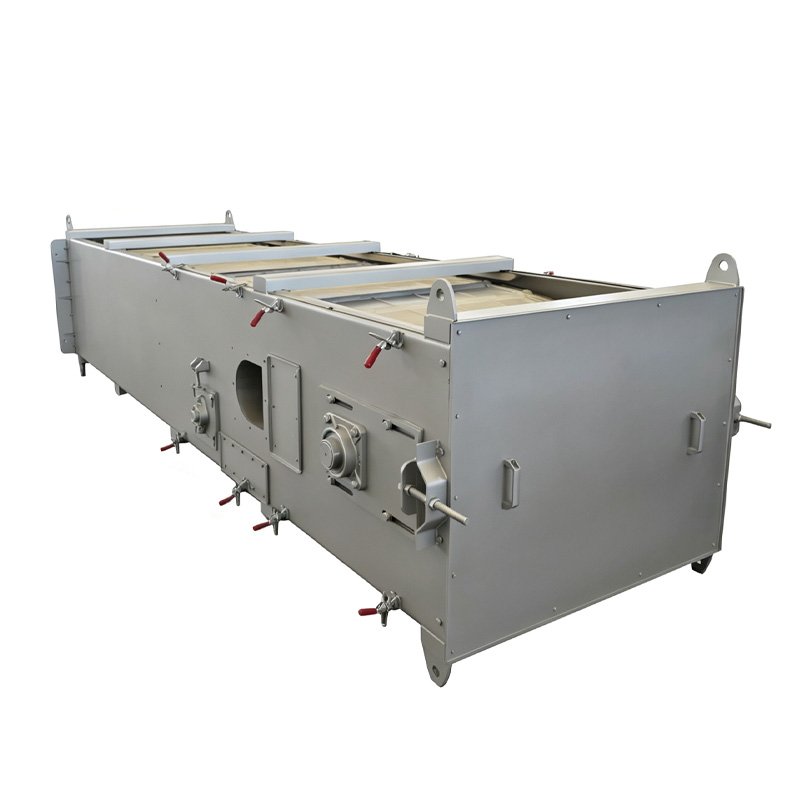
Suitable for removing various types of coarse floating and suspended impurities.
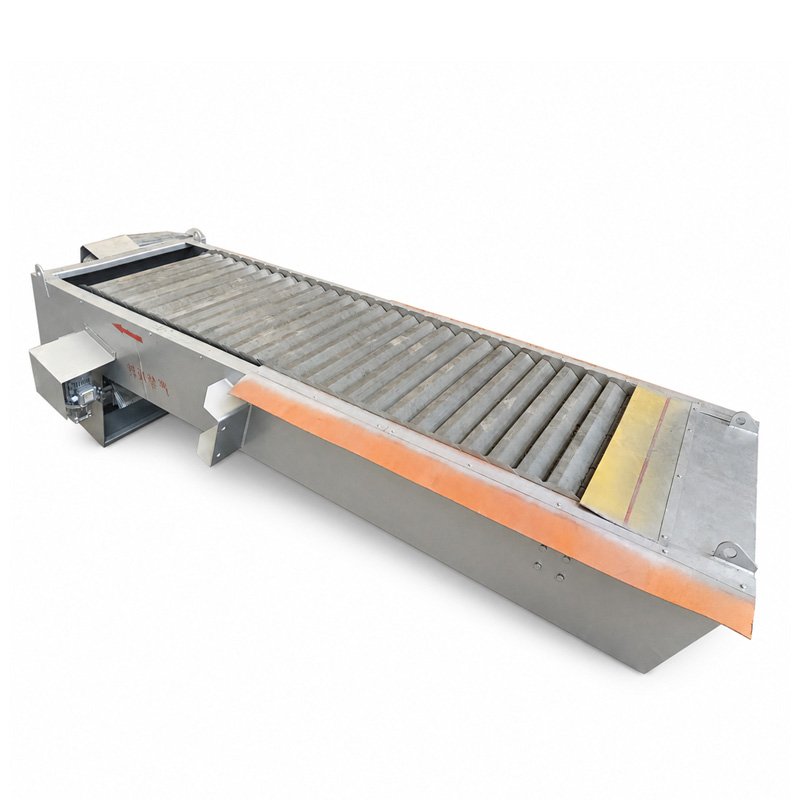
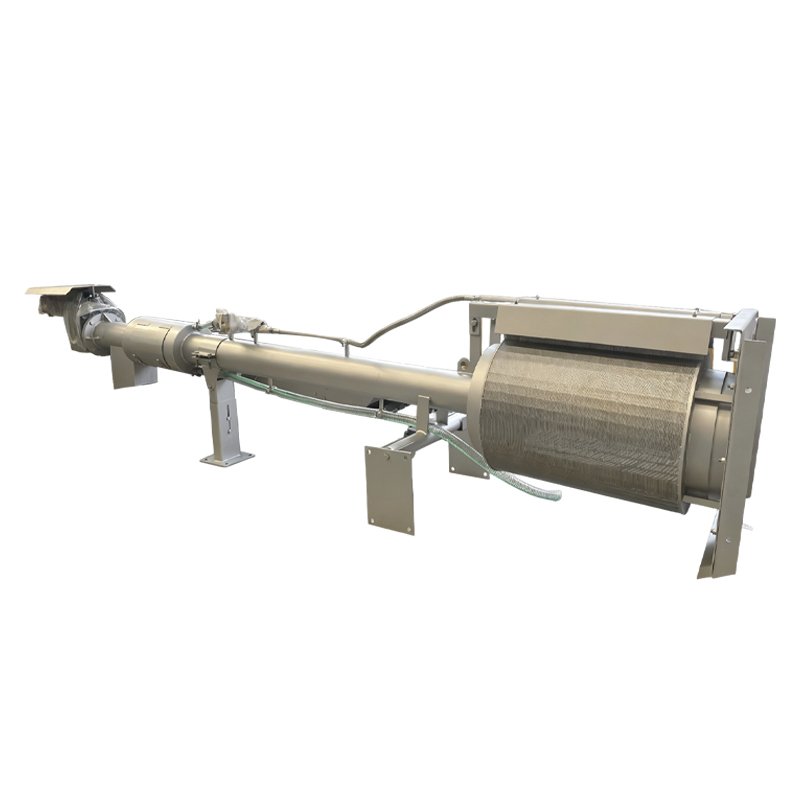
Suitable for removing debris of various shapes from wastewater.
Features of Our Mechanical Screen

The equipment features a modular structure, making maintenance and replacement convenient.

The screen can be used in conjunction with a shaftless screw conveyor to achieve integrated slag removal and conveying.

The body and rake teeth are made of 304/316L stainless steel, providing excellent corrosion resistance.

The continuous automatic impurity removal feature effectively traps suspended solids and larger particles, thereby protecting your downstream equipment.

We offer a variety of models, including rotary, flow-through, reverse-rake, screen plate, and drum types, to meet the needs of your various wastewater treatment projects.

Operation is smooth and reliable. The automatic sludge removal system performs well and has a low failure rate.

Custom designs can be created based on channel width, depth, flow rate, and water quality characteristics.

Start and stop operations can be automatically controlled based on water level differences or time, enabling automated operation.
Effective Interception
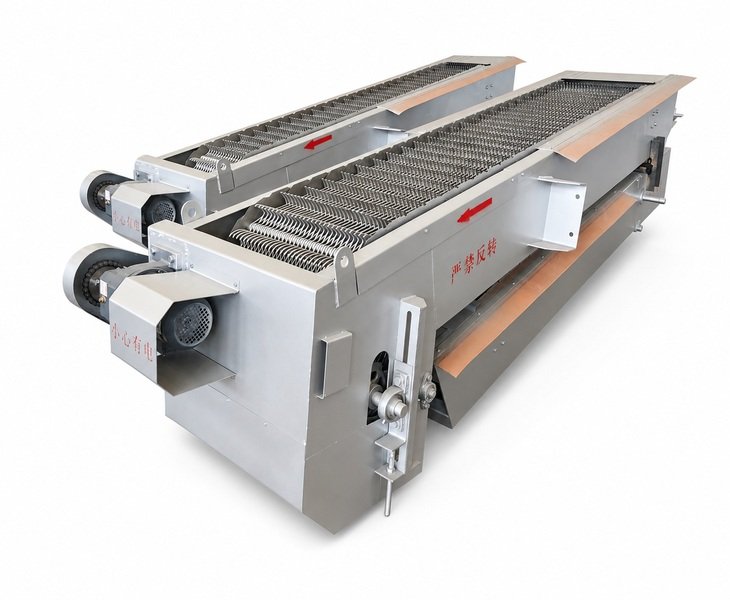
Thanks to its precision engineering, the AIDON mechanical screen efficiently removes suspended solids, floating debris, and larger particulate impurities from wastewater.
Through comparative analysis of competing products, AIDON’s technical team has determined that the AIDON mechanical screen’s interception efficiency exceeds the industry average by 17%.
AIDON’s rake teeth come in a variety of customized configurations tailored to the specific material being processed, effectively protecting your metering pumps and downstream treatment equipment while reducing the risk of clogging and damage during the water treatment process.
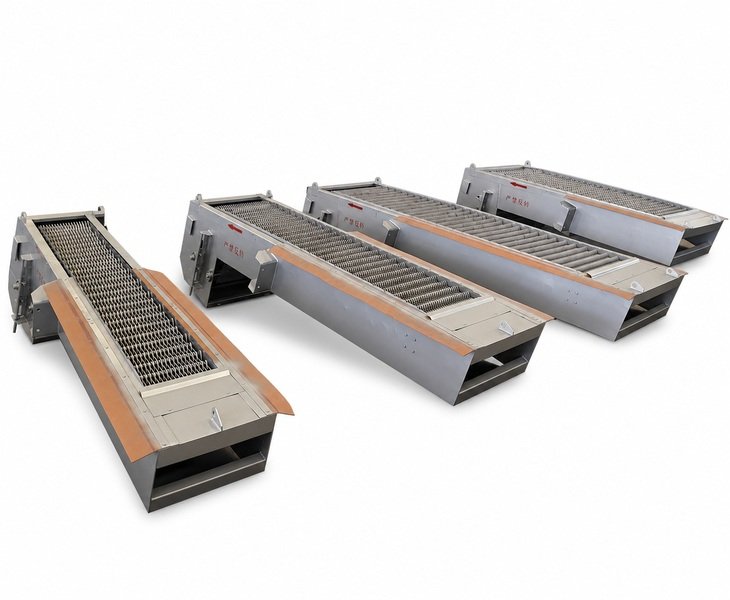
Customized Solutions
AIDON offers five types of mechanical screens to meet the specific needs of different projects, providing you with customized mechanical screen solutions.
The bodies and rake teeth of each of our mechanical screens are available in a variety of materials that can be customized based on actual processing conditions. Their reliable construction ensures excellent corrosion resistance and a long service life.
In addition to material customization, AIDON can also customize the dimensions of the mechanical screens early in the project based on civil engineering conditions to match your environmental and space requirements.
Industries Where AIDON Mechanical Screens Are Used
If the chemicals you need to handle are not listed below, please contact us. We can provide you with a customized solution at no cost.
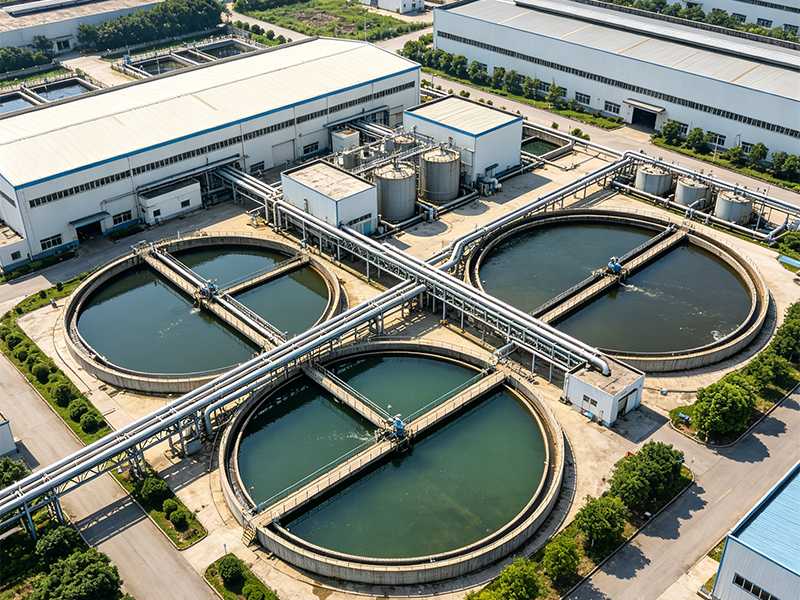
The customizable-sized rake tines effectively intercept various solid impurities in raw wastewater—such as plastic bags and leaves. As a result, these contaminants are prevented from entering downstream treatment equipment, helping you significantly reduce the risk of clogging and wear.
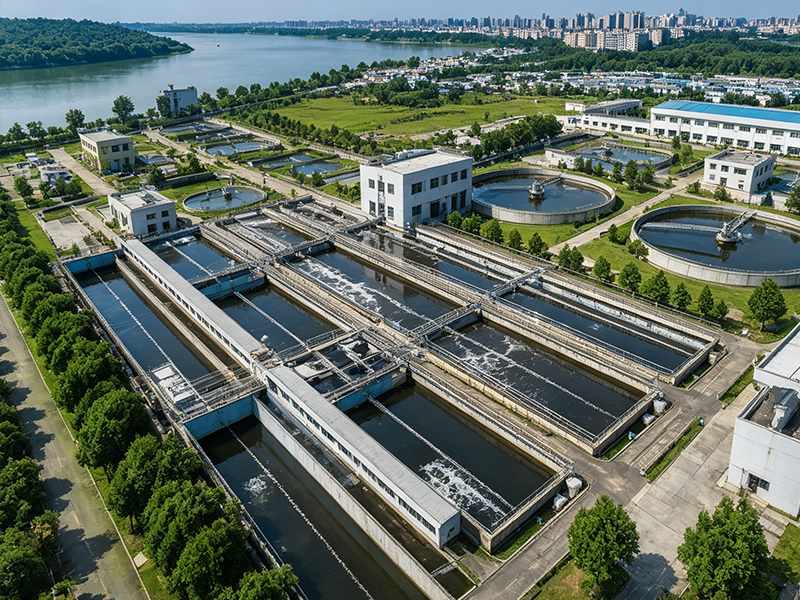
For suspended solids and complex impurities in wastewater from industries such as chemicals and pharmaceuticals, you can customize rake teeth with micro-gaps to remove crystals, particulates, and chemical precipitates, ensuring the stability and safety of your downstream processes.
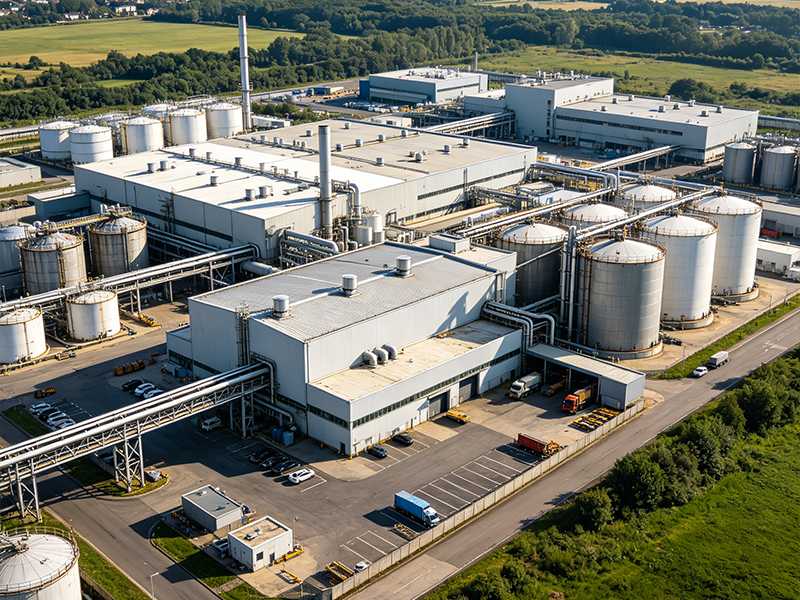
AIDON mechanical screens effectively remove high concentrations of organic solid residues from wastewater generated during food processing. Through efficient interception, this system helps you reduce the load on downstream treatment systems and improves your effluent water quality.
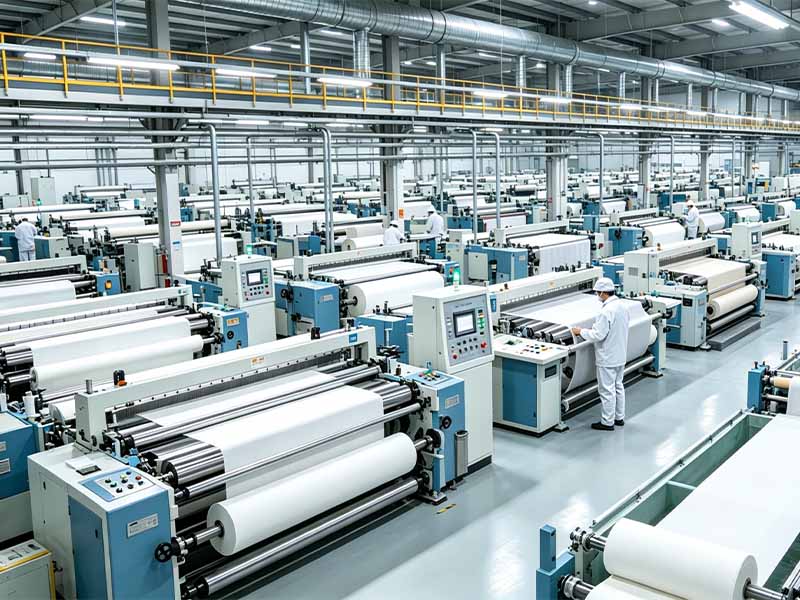
Our mechanical screens efficiently intercept the large amounts of tangle-prone materials carried in textile and dyeing wastewater, preventing these materials from becoming entangled in your pump impellers or clogging pipes. This helps avoid irreversible damage and effectively reduces your equipment downtime and maintenance costs.
What Our Clients Say?
We purchased two rotary mechanical screens at once. They have helped us efficiently remove sludge that has settled at the bottom of the sedimentation tank, thereby reducing our maintenance costs associated with manual sludge removal.
Thabo NkosiSouth AfricanThe mechanical screen is excellent; it has successfully resolved the previous issues of low efficiency and poor working conditions associated with manually removing screen debris. Now, my company has significantly reduced the workload associated with manual sludge removal.
Agus WibowoIndonesian
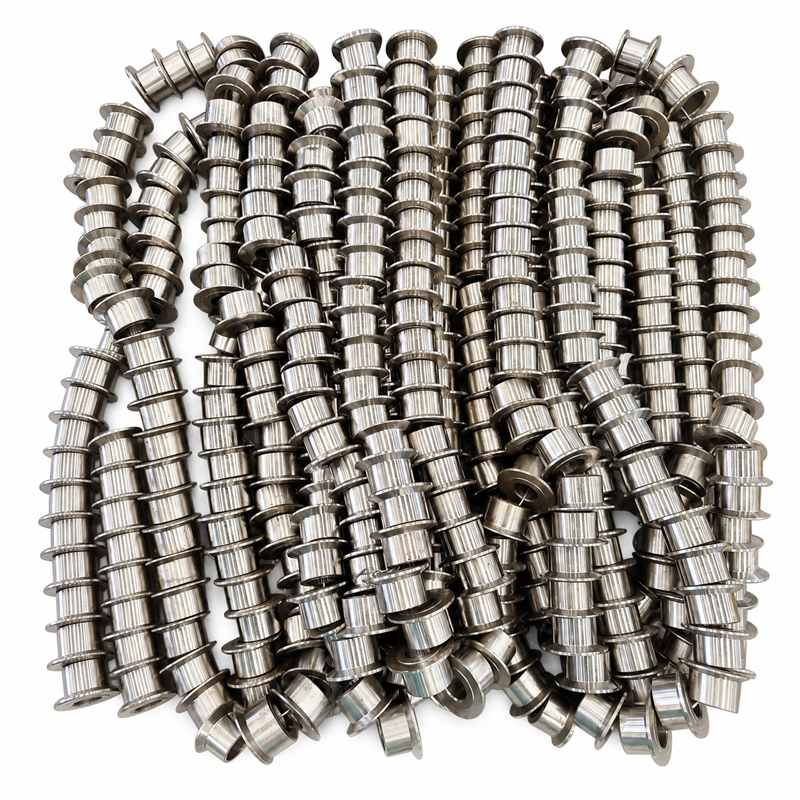
The body and rake teeth of the AIDON mechanical screen are made of 304 stainless steel; AIDON also offers 316 stainless steel as an option for the body. The rake teeth are available in either 316 stainless steel or nylon.
During installation, you must carefully check the equipment’s levelness, installation angle, channel dimensions, and the directions of the inlet and outlet. You must ensure that there is an appropriate gap between the rake teeth and the screen bars. In addition, you should ensure that the equipment foundation is secure and that the drive components are installed accurately to prevent jamming and abnormal vibrations during operation, which could affect the stability of your entire system.
Routine maintenance of a mechanical screen requires you to inspect the motor, gearbox, chain, bearings, rake teeth, and fasteners. If you find any debris causing a jam, you should clear it promptly. Performing lubrication and wear inspections according to the operating cycle can reduce equipment failures and extend the service life of the mechanical screen.
Unusual noises may be caused by loose chains, worn bearings, insufficient lubrication in the gearbox, rake teeth caught on foreign objects, or installation misalignment. If you detect any unusual noise, you should shut down the machine immediately. You should first inspect the drive system and the debris removal mechanism to prevent minor malfunctions from causing further damage to the motor or mechanical components.
When purchasing, we recommend providing information such as wastewater treatment capacity, channel width, channel depth, inlet water level, type of debris, bar spacing requirements, material specifications, and installation environment. If you have on-site drawings or dimensional data, please provide them to AIDON so we can assist you with accurate model selection and solution design.
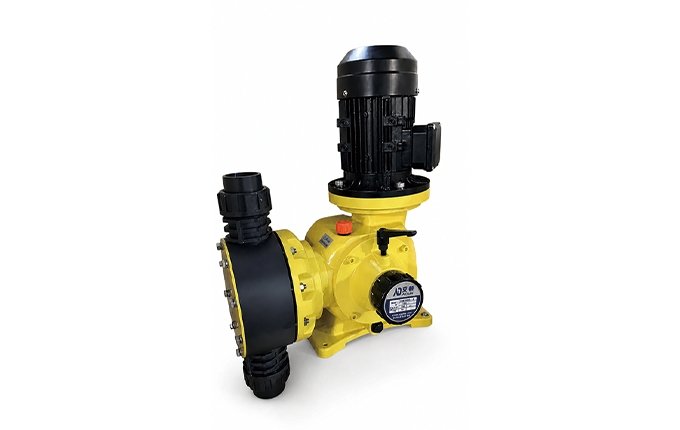
Precise metering and dosing of chemical agents using electromagnetic drives.
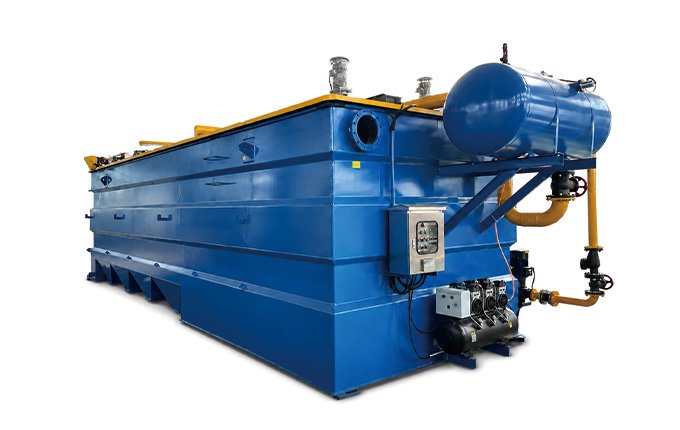
Solid-liquid separation is achieved by releasing microbubbles to adsorb suspended solids, oils, and colloids in water.
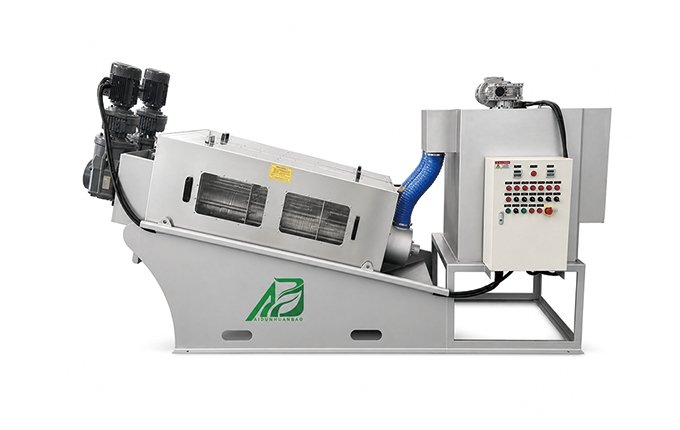
Concentrates and dewaters sludge, reducing its moisture content and achieving solid-liquid separation.
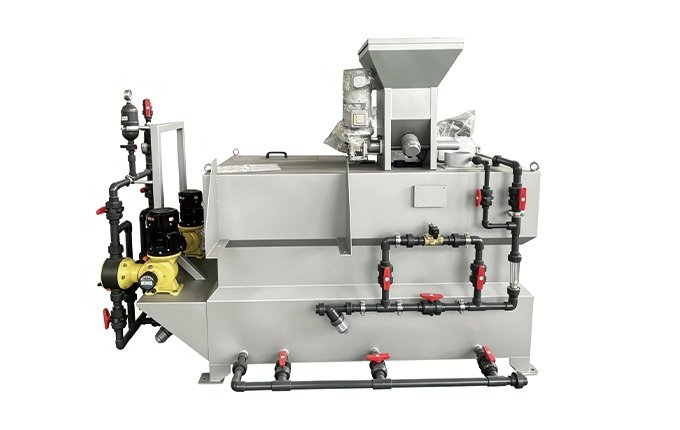
Promotes the flocculation and precipitation of pollutants through precise chemical dosing.
Stainless Steel Rake Tines vs Nylon Rake Tines, What’s the Difference?
Stainless steel rake tines (304/316L) offer high corrosion resistance and strength. They are suitable for harsh operating conditions involving acids, alkalis, high temperatures, or chloride ions.
Nylon rake tines (PA6/PA66) feature good self-lubrication, are rust-resistant, operate quietly, and are relatively inexpensive. They are suitable for handling fibrous debris.
Solutions for Rake Tine Jamming and Failure to Rotate Properly in Mechanical Screens
Rake bar jamming is often caused by fibrous debris (such as cloth strips or plastic bags) becoming entangled and blocking the space between the screen bars, deformation or wear of the rake bars, or a loose or detached chain. The machine should be shut down immediately to manually remove the entangled or obstructing debris, check whether the clearance between the rake bars and screen bars meets design requirements, and adjust or replace worn chains and guide rails.
Advantages of the Rotary Mechanical Screen
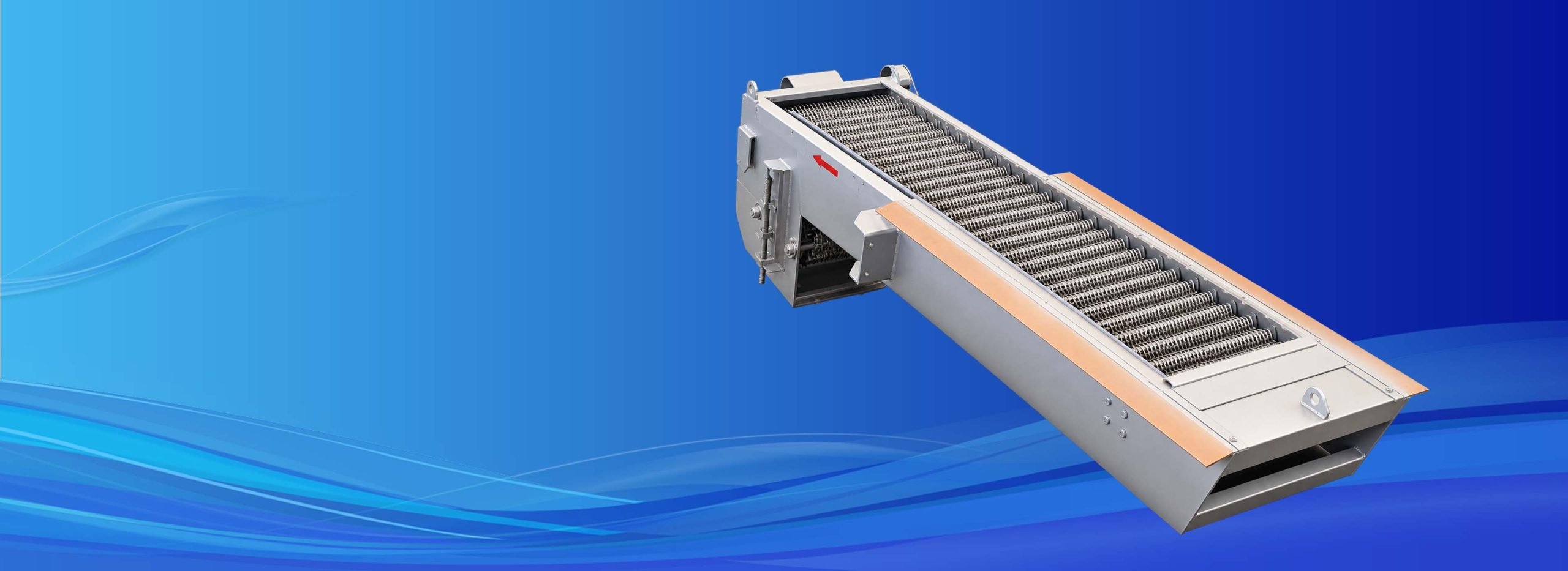
The rotary mechanical screen employs a continuous, cyclical debris removal method, effectively removing large particulate matter from wastewater. The equipment features a compact design, occupies a small footprint, operates smoothly, and is easy to maintain. It can be automatically controlled based on water level differences or time intervals, making it suitable for long-term use in municipal sewage and industrial wastewater treatment systems.
Daily Maintenance and Care for Mechanical Screens
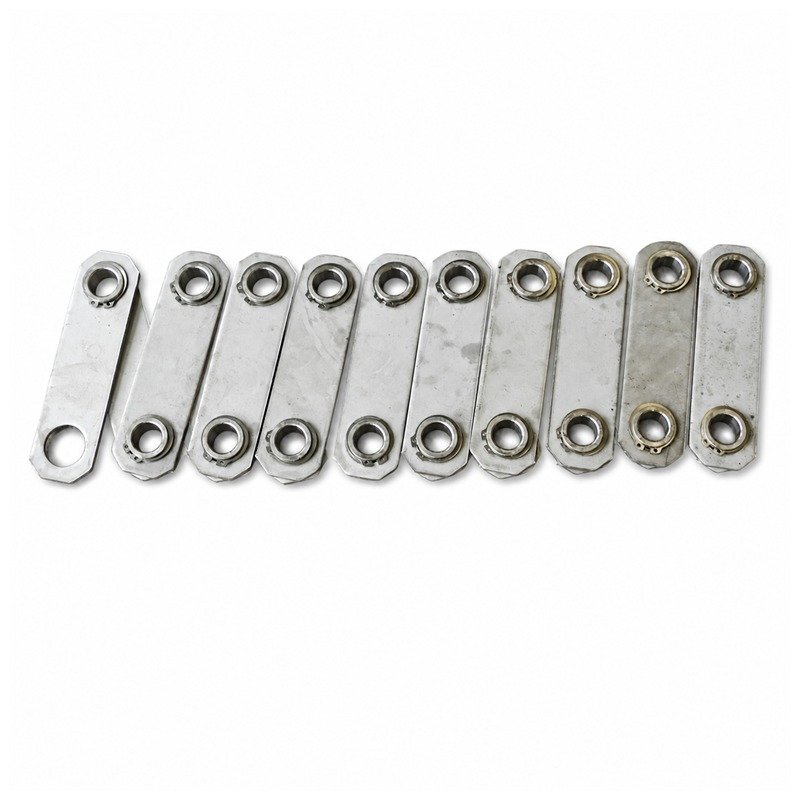
- Check the tension of the chain.
- Replenish lubricating grease.
- Simply clean out accumulated debris from the debris bin.
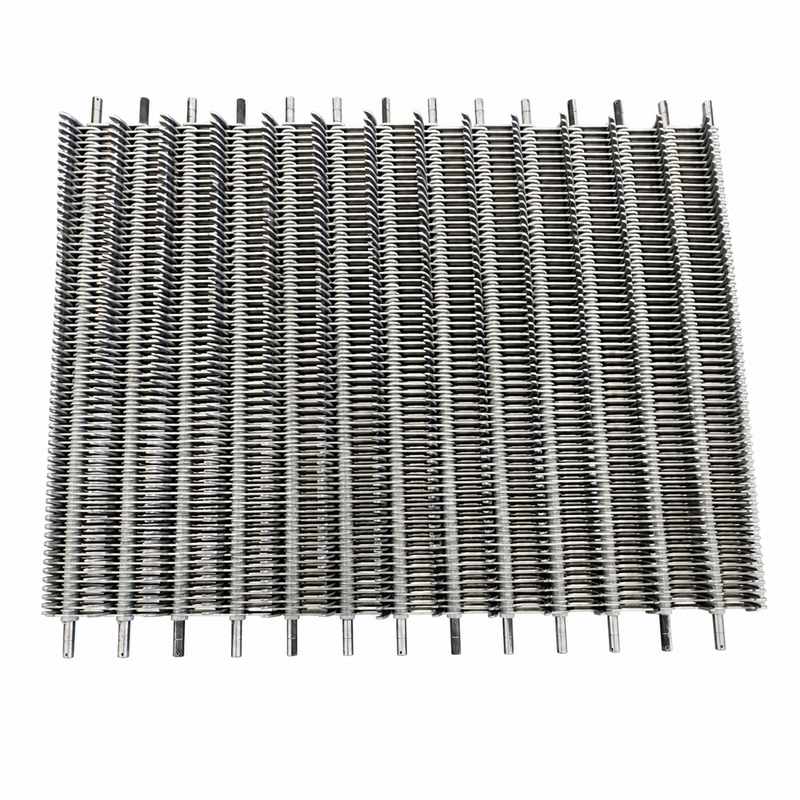
Stainless steel mesh plates are resistant to scaling and corrosion and feature a self-cleaning function, eliminating the need for frequent disassembly, cleaning, or major repairs. Compared to traditional bar screens, this significantly reduces downtime for maintenance and operational costs.