
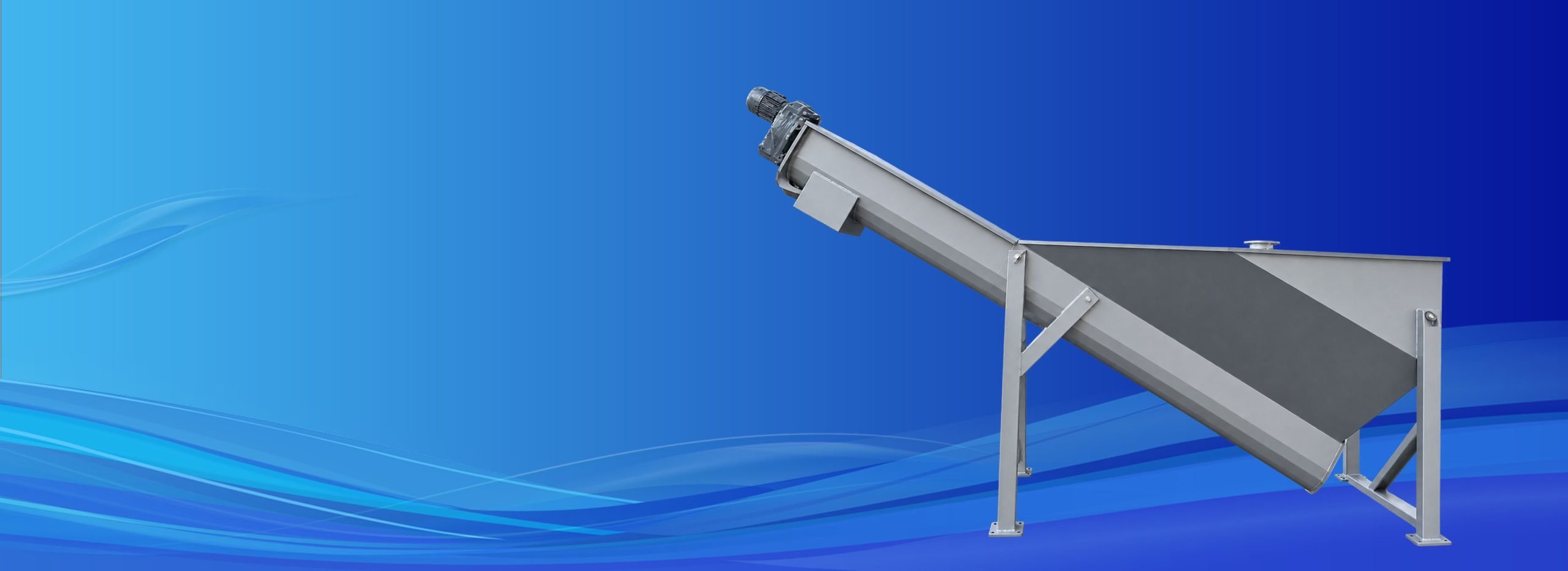
Why Choose AIDON Grit Classifier?
- High solid-liquid separation efficiency and rapid sand removal
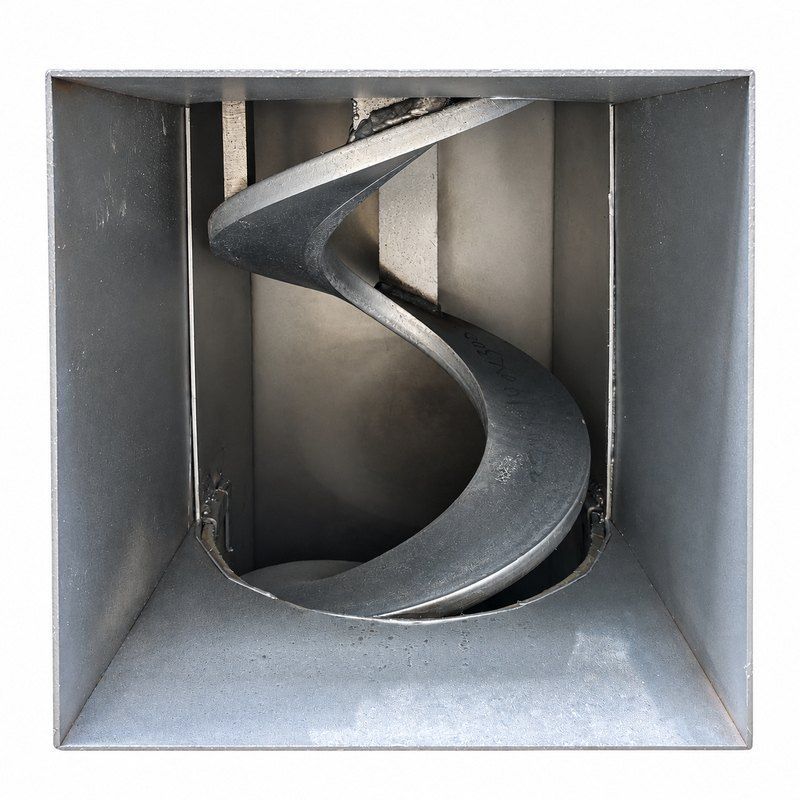
- Shaftless screw design prevents clogging during operation
- Wear-resistant liners in the U-shaped trough ensure a long service life
- The machine body is made of 304 stainless steel for strength and durability
- End-to-end service, from product selection to after-sales support
AIDON—One-Stop Grit Classifier Provider
For over 15 years, AIDON has been providing customers with grit classifiers, backed by professional manufacturing capabilities, strict quality control, and customized engineering support. We offer a one-stop service covering design, equipment manufacturing, and installation guidance to help you achieve efficient and stable removal of sand and gravel particles from wastewater, ensuring long-term, cost-effective operations.
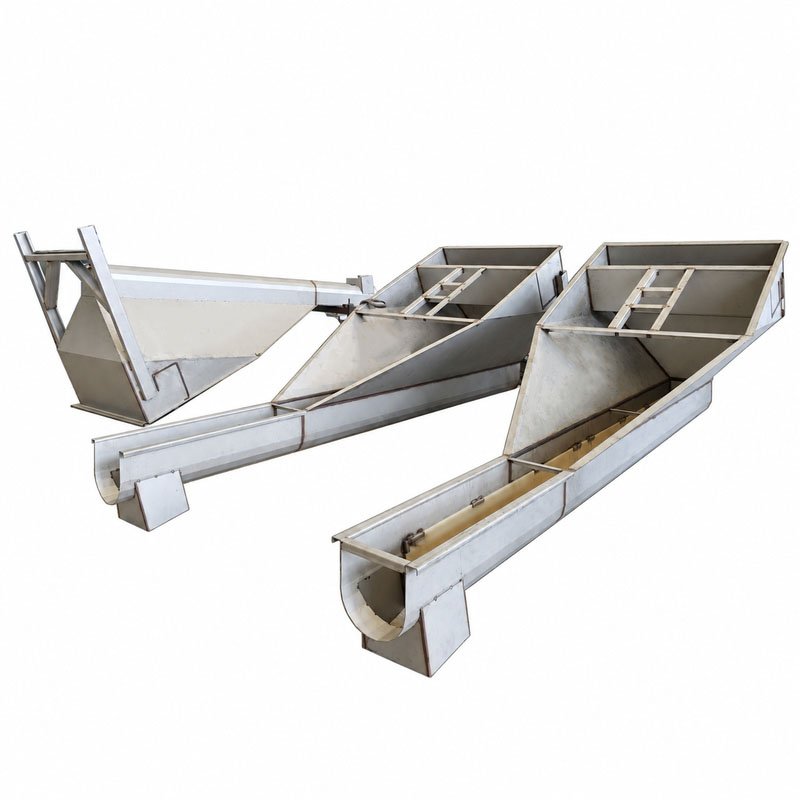
AIDON grit classifiers feature a shaftless spiral design with no underwater bearings, completely eliminating the risk of jamming, effectively reducing your maintenance costs, and ensuring the long-term, stable operation of your wastewater pretreatment system. Before shipment, the core components of each grit classifier are calibrated, and all parts undergo thorough inspection. Additionally, the equipment features a modular design and is shipped as a complete base-mounted unit, ensuring it is ready for immediate use upon delivery.
Features of Our Grit Classifier

With no submerged bearings and no intermediate support shaft, the risk of jamming and clogging is eliminated at the source.

Replaceable wear-resistant liners are installed on the inner walls of the U-shaped trough, effectively reducing direct friction between the screw and the trough.

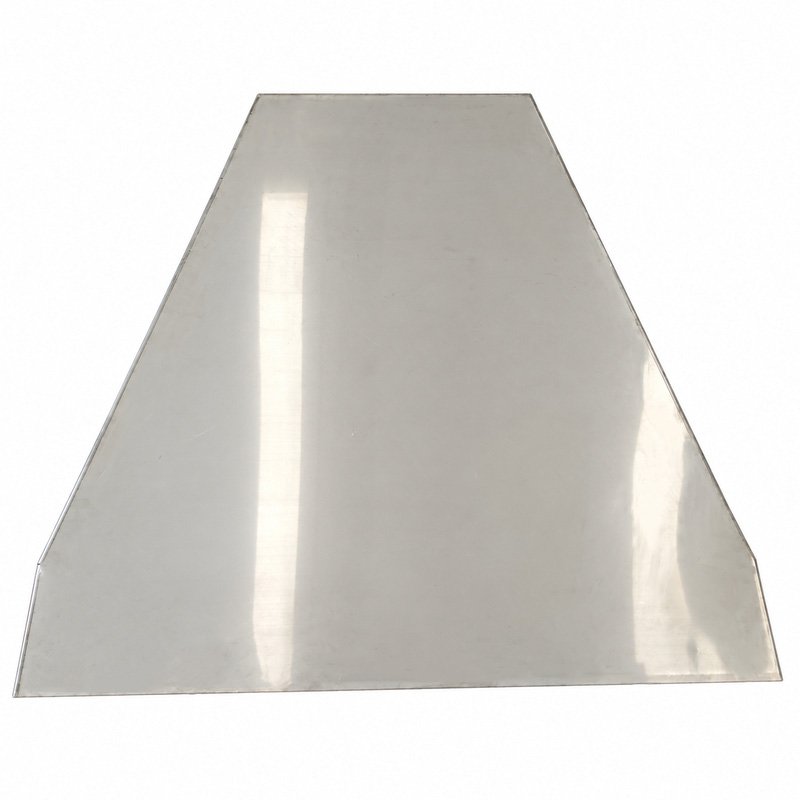
The unit is constructed from 304/316L stainless steel, offering excellent corrosion resistance.

By combining gravity settling with screw conveyance, the unit efficiently separates sand particles and inorganic particles from the sand settling tank.

The equipment features a compact structure with a small footprint, making it suitable for various spatial layouts and retrofit requirements.

The materials for the screw and liners can be customized to meet corrosion resistance and wear resistance requirements under different water quality conditions.

The drive mechanism operates smoothly, resulting in low operational noise, making the equipment suitable for noise-sensitive environments.

The screw lifting section ensures thorough drainage and dewatering of sand particles, reducing the moisture content of the discharged sand.
Shaftless, Clog-Resistant Design
The AIDON grit classifier features a shaftless spiral structure with no submerged bearings or intermediate support shafts, helping you avoid the risk of clogging from the very design stage. Even when processing wastewater with high sand content for extended periods, the spiral continues to operate smoothly.
The U-shaped trough is equipped with replaceable wear-resistant liners, which prevent direct wear on the trough body and extend the overall service life of the equipment. The equipment features a simple structure; your daily maintenance requires only checking the wear on the liners and the screw, eliminating the need for frequent disassembly and repairs. This helps reduce long-term operational and maintenance costs while ensuring the continuous and stable operation of your wastewater pretreatment system.
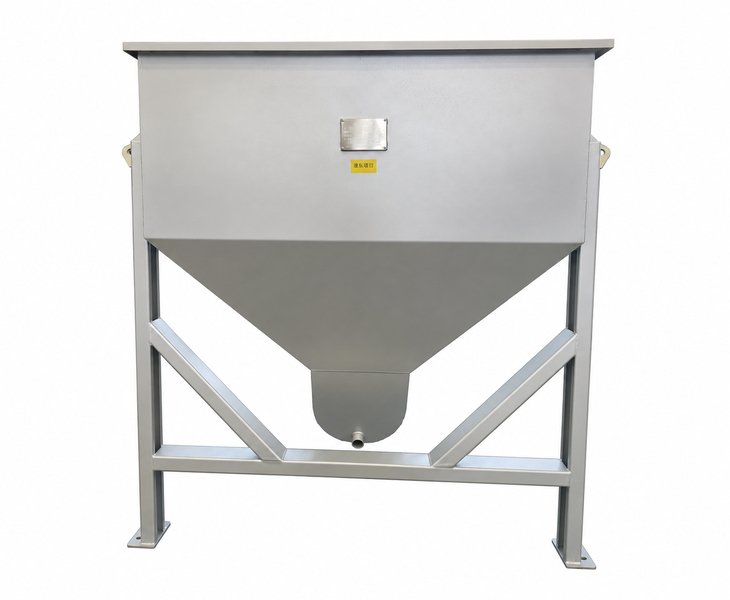
Multiple Customization Options
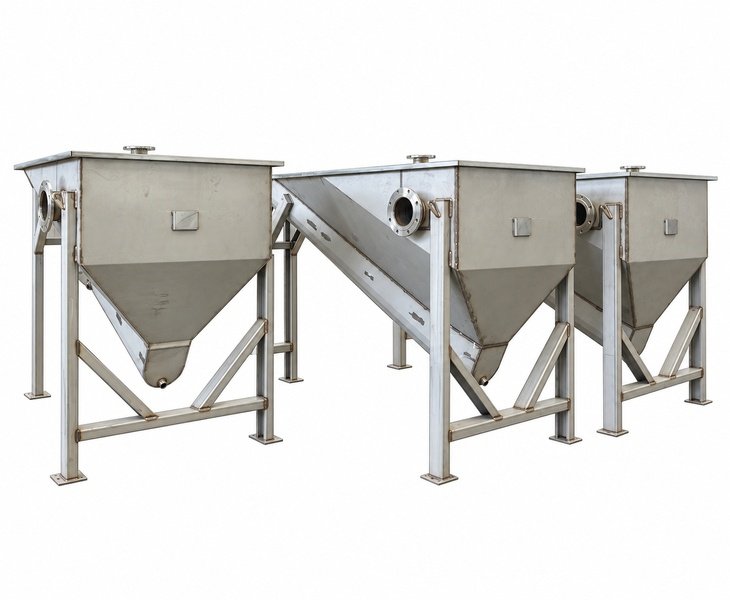
The grit classifier housing is available in either 304 or 316L stainless steel. The screw is typically manufactured from 16Mn manganese steel, and the wear-resistant liners are usually made of nylon. You can flexibly select the appropriate configuration based on actual water quality conditions
For standard municipal wastewater, 304 is sufficient to meet corrosion and wear resistance requirements; if you are treating highly corrosive industrial wastewater from sectors such as chemicals, textile dyeing, or pharmaceuticals, you can upgrade to 316L material to ensure long-term, stable operation under harsh conditions.
If you have specific operational requirements, materials can be customized as needed. Every unit undergoes rigorous testing before leaving the factory, ensuring consistent and reliable quality.
Industries Where AIDON Grit Classifiers Are Used
If the chemicals you need to handle are not listed below, please contact us. We can provide you with a customized solution at no cost.
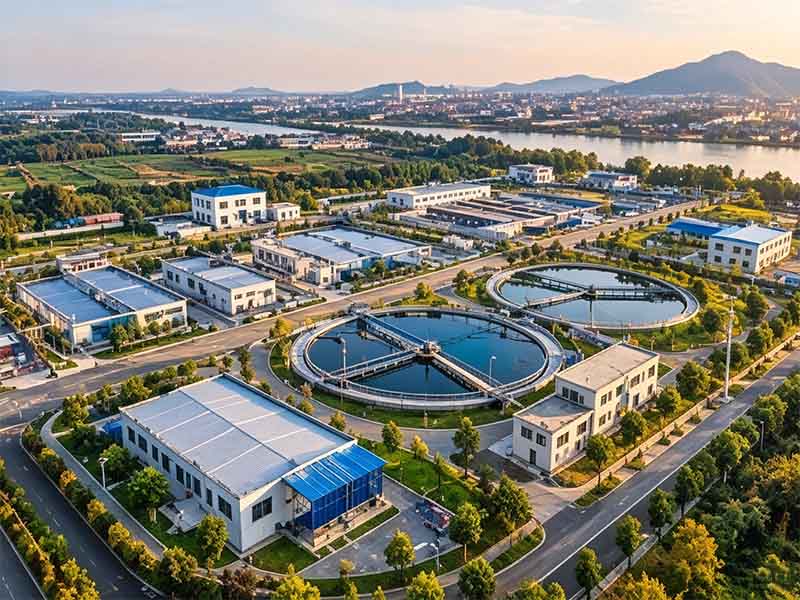
The grit classifier effectively removes sand and inorganic particles from sedimentation tanks, helping you prevent sand and gravel from entering downstream pump units and aeration systems, reducing the risk of impeller wear and pipe blockages, and ensuring the stable operation of downstream biological treatment systems.
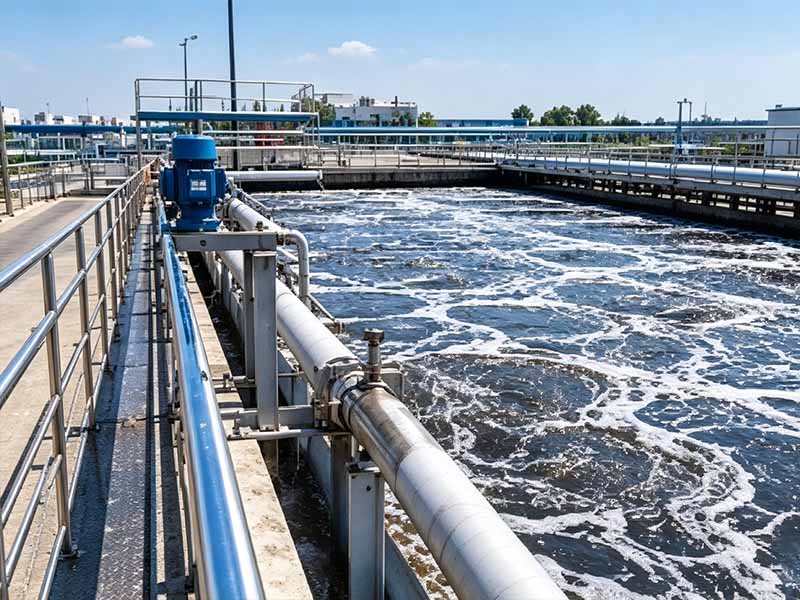
Grit classifiers efficiently intercept silt and particulate matter carried by stormwater runoff, helping you prevent silt accumulation and sedimentation in pump basins and pipelines. This reduces the likelihood of pipeline blockages and pump failures, ensuring reliable operation of stormwater pumping stations during the flood season.
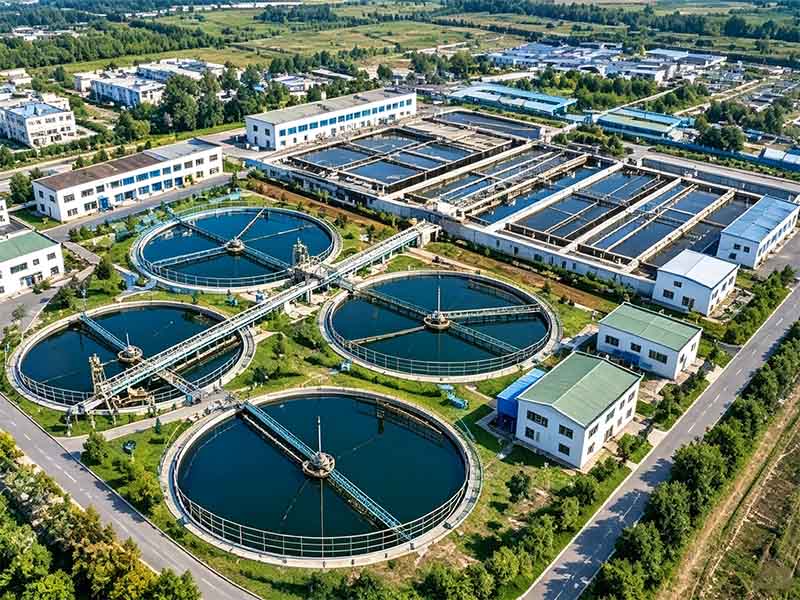
The grit classifier effectively removes suspended sand particles and hard particles from wastewater in industries such as chemicals, textiles, food processing, and metallurgy. It helps reduce wear on pipes, valves, and downstream treatment equipment caused by sand and gravel, extends equipment service life, and reduces the frequency of production shutdowns for maintenance.
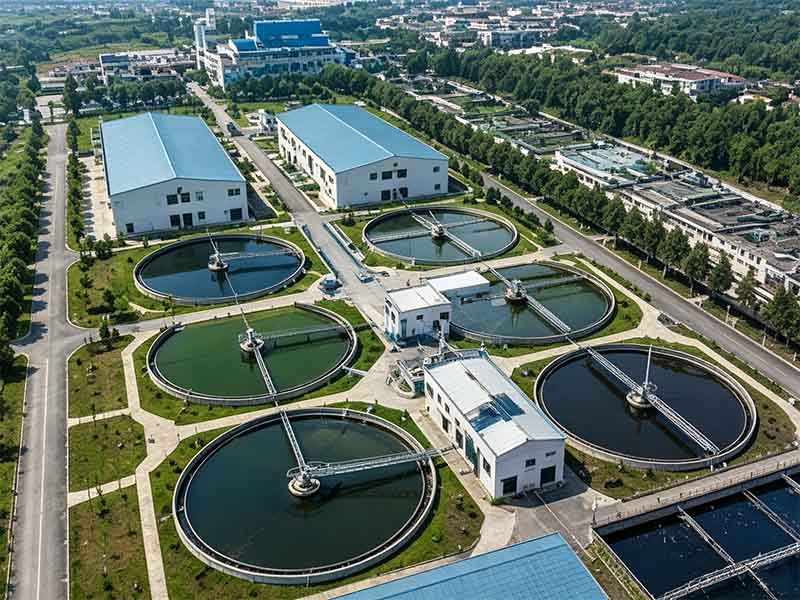
The grit classifier efficiently processes sand and gravel particles in ore slurries, helping you achieve desanding of the slurry and improve ore recovery rates. At the same time, it reduces impact and abrasive wear caused by sand particles on conveyance pipelines and downstream equipment, ensuring the continuous and stable operation of the mineral processing production line.
What Our Clients Say?
I purchased this 304 stainless steel grit classifier, and it has been operating reliably for some time now. The separation of sand particles has been excellent. The equipment operates quietly, and daily maintenance is relatively convenient.
Mohammed FizalMohammed FizalAfter comparing multiple suppliers, we chose the AIDON grit classifier. The equipment does not clog, has high sand discharge efficiency, and AIDON also provided professional support in equipment selection and installation.
Andy PratamaIndonesia
A grit classifier is a piece of equipment used in the wastewater pretreatment stage to separate sand particles and inorganic particles from water and discharge the sand.
After the sand-water mixture enters the equipment, the sand particles settle to the bottom of the tank under the force of gravity. They are then lifted by a screw conveyor, dewatered, and discharged through the sand discharge port, while the separated water is discharged through the overflow outlet.
This equipment is typically installed in the grit chamber of a wastewater treatment plant and effectively reduces wear caused by grit entering subsequent treatment equipment.
Customization is available based on the actual project requirements, including equipment length, processing capacity, installation angle, inlet and outlet positions, and equipment materials. When selecting a model, it is recommended to provide the wastewater flow rate, grit content, and on-site installation dimensions.
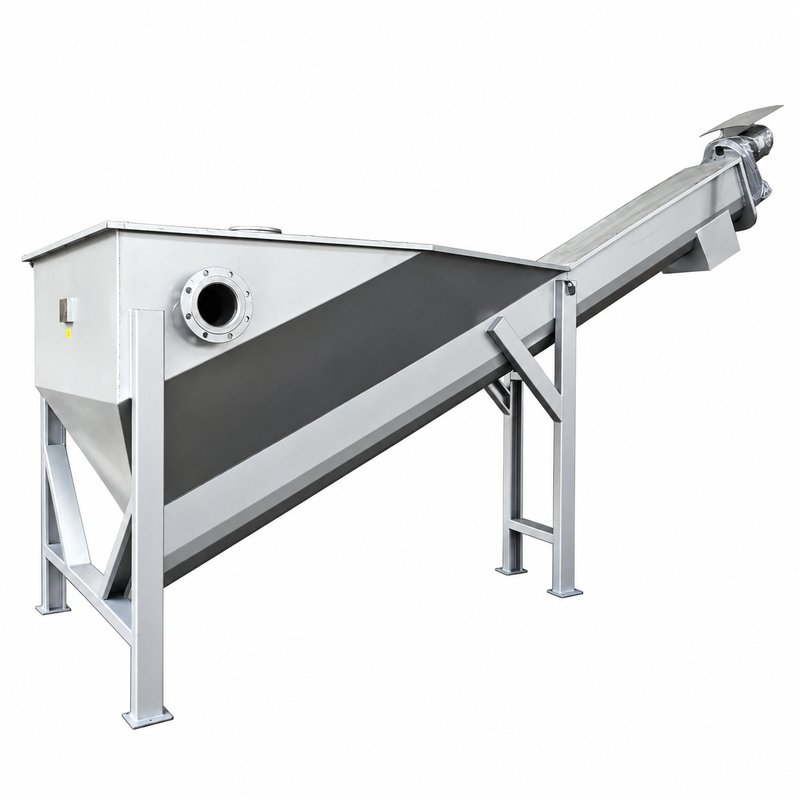
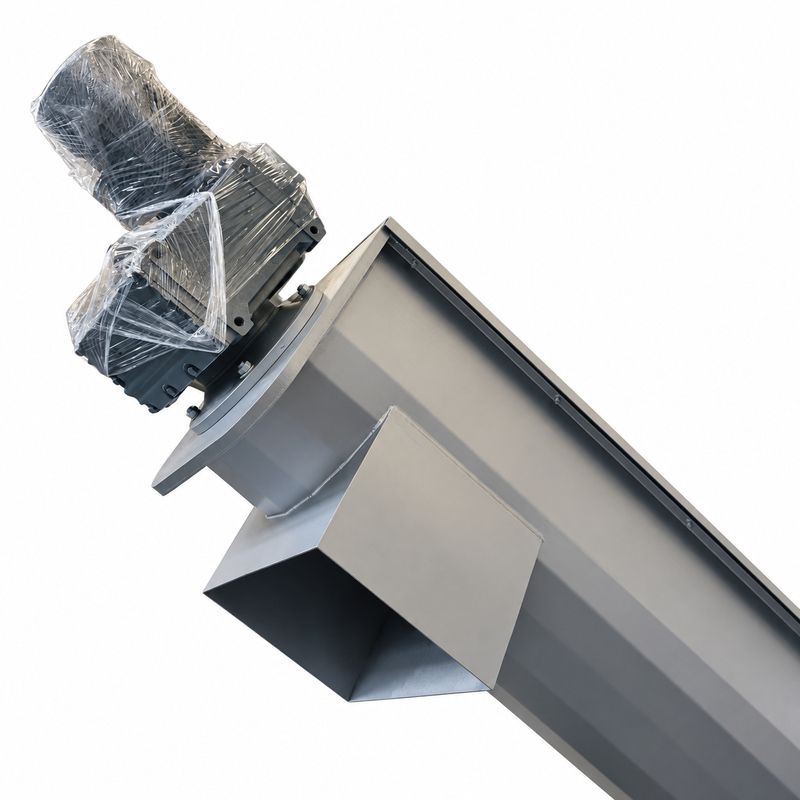
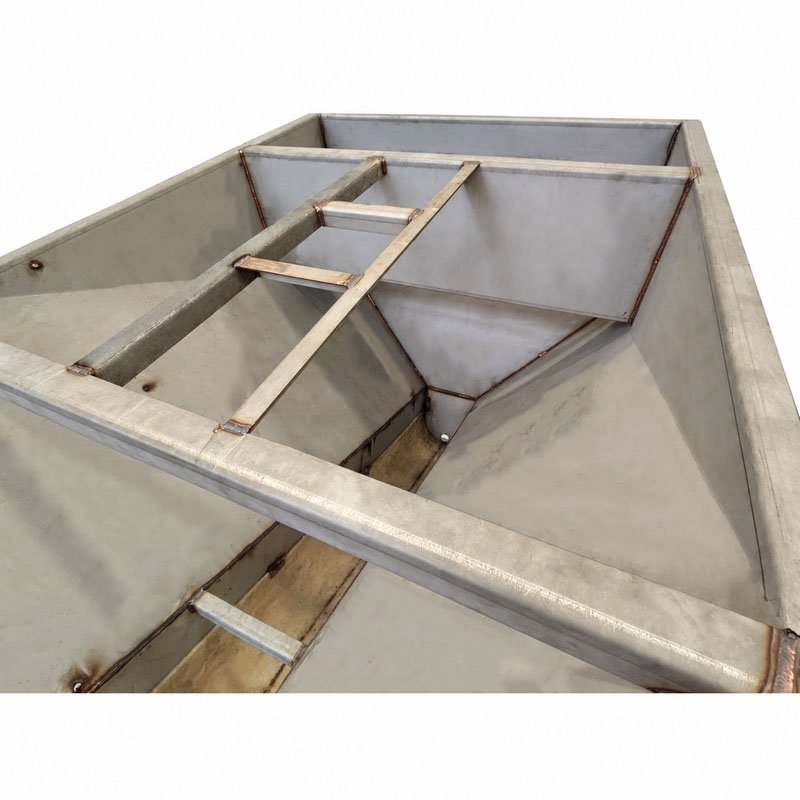
The grit classifier primarily consists of core components such as a shaftless screw, liners, a U-shaped trough, a water tank, and a drive unit.
The housing is typically made of 304 stainless steel, and the inner walls of the U-shaped trough are lined with replaceable wear-resistant liners, which are generally made of nylon. Connection fittings such as the inlet pipe and overflow pipe are located on the housing and are used to feed in the sand-water mixture and discharge the separated water.
- Symptoms: Reduced sand output, discharge of only fine sand, or no sand discharge at all.
- Causes: Improper clearance between the screw and the U-shaped trough; installation angle exceeding 20°–25°; sand content in the inlet water below 0.2 mm; mismatched motor power; sand accumulation in the U-shaped trough; or screw jamming.
- Solution: Adjust the fit between the screw and the trough; correct the installation angle; optimize the process in the upstream sedimentation tank; and select an appropriately matched motor power. Shut down the unit to inspect and remove accumulated sand or foreign objects. If the screw is severely worn, replace the screw assembly.
- Periodically check the oil level in the gearbox and inspect the wear on the screw blades and the U-channel liner plates.
- Regularly remove debris accumulated inside the channel and promptly replace worn parts.
- Drain accumulated water and grit from the equipment during long-term shutdowns or winter shutdowns.
Conducting daily inspections can reduce unexpected failures and extend the service life of the entire grit classifier.
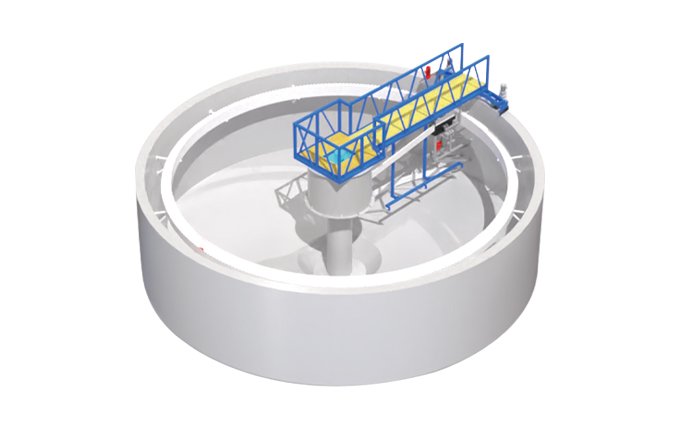
Removes settled sludge from the bottom of the tank by rotating the scraper arm.
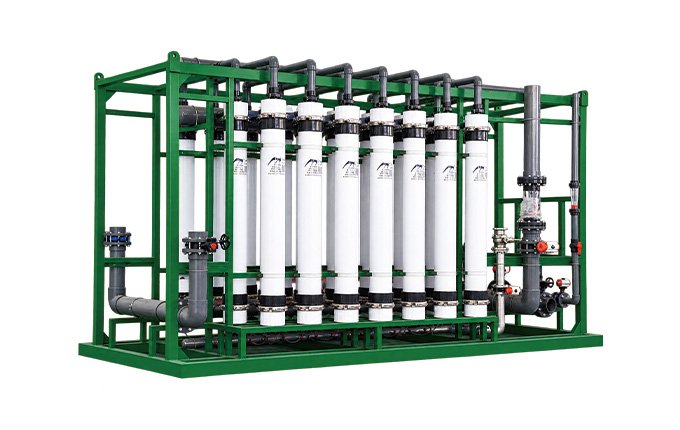
Retains suspended solids, colloids, and large organic molecules in water.
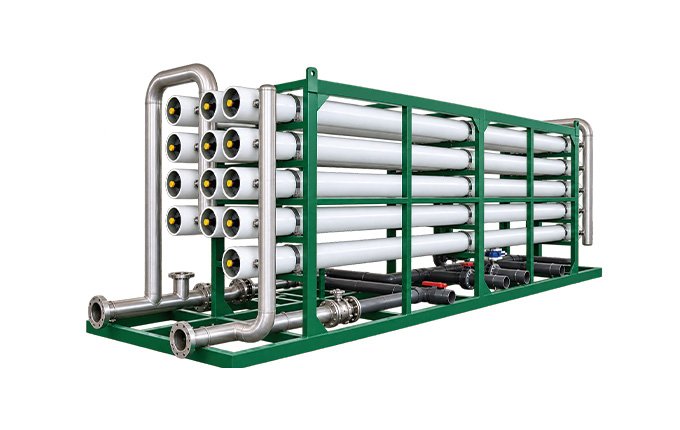
Achieves deep desalination and purification under high pressure.
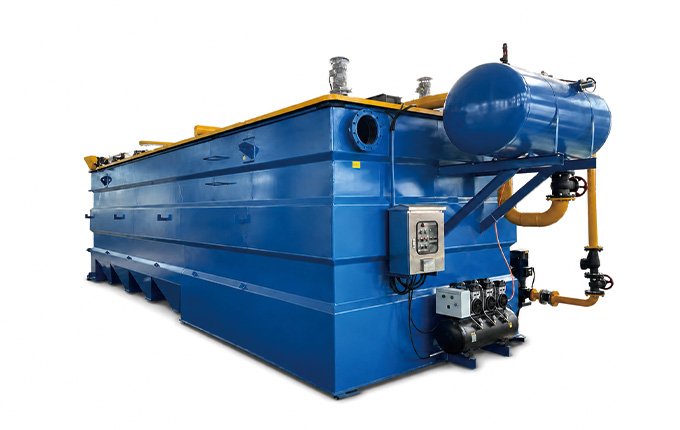
Releases a large number of microbubbles to adsorb impurities in the water.
Grit classifier workflow
The operating principle of the grit classifier is based on the synergistic effect of gravitational settling and screw conveying. The sand-water mixture is fed into the separator through the inlet tank at the top. Driven continuously by the screw blades, the sand particles are gradually lifted along the bottom of the inclined U-shaped trough. After rising above the liquid surface, they continue to move a certain distance, undergoing natural dewatering during the conveying process, and are ultimately discharged through the sand outlet into a sand collection bin or subsequent conveying equipment.
- Feeding Stage: The sand-water mixture enters the tank from the top or one end of the separator and is evenly distributed into the U-shaped trough via the feed piping.
- Sedimentation and Separation Stage: After entering the trough, inorganic particles such as sand grains—which have a higher specific gravity—rapidly settle to the bottom of the trough under the force of gravity, forming a sand layer. Driven continuously by the shaftless screw conveyor, the settled sand particles are lifted upward along the inclined trough bottom; after rising above the liquid surface, they continue to be conveyed toward the sand discharge outlet.
- Sand Discharge and Water Drainage Stage: During the lifting and conveying process, the sand particles undergo further drainage, and are ultimately discharged through the sand discharge outlet with a significantly reduced moisture content; the clear water separated from the sand particles is discharged through the overflow outlet, returning to the system or entering the next treatment unit.
304 stainless steel models vs 316 stainless steel models, what’s the difference?
| Comparison Criteria | 304 Stainless Steel | 316 Stainless Steel |
| Corrosion Resistance | Suitable for conventional municipal sewage and general industrial wastewater | Offers greater resistance to acid, alkali, and chloride ion corrosion |
| Wear Resistance | Meets requirements for standard operating conditions | Longer service life under equivalent operating conditions |
| Suitable Applications | Municipal wastewater, stormwater pumping stations, general industrial wastewater | Chemical wastewater, textile dyeing wastewater, pharmaceutical wastewater, saline water bodies, and projects involving contact with seawater |
| Cost-Effectiveness | Lower initial investment | Lower long-term operating costs |
| Recommended Applications | Projects with standard water quality | Projects with highly corrosive conditions or high equipment lifespan requirements |
AIDON recommends: For harsh, corrosive environments such as chemical processing, textile dyeing, pharmaceutical manufacturing, and saline water bodies, we recommend models made of 316 stainless steel. Although the initial investment is slightly higher, this material significantly extends the equipment’s service life under harsh conditions and reduces long-term maintenance and replacement costs, offering better overall value for money.
What parameters are required to customize a grit classifier?
To ensure the equipment selected precisely meets your project requirements, please provide the following key parameters:
| Parameter | Description |
| Wastewater Flow Rate (Average Daily/Peak) | Determines the equipment’s treatment capacity |
| Sand Content (mg/L or g/m³) | Evaluates the sand load |
| Sand Particle Size Distribution (mm) | Affects separation efficiency and screw selection |
| Daily Sand Discharge Volume (kg or m³/d) | Determines discharge port size and conveying capacity |
| Wastewater Temperature (°C) | Affects material selection and seal suitability |
| Corrosivity Indicators (pH, chloride ion content, etc.) | Determines housing and screw material |
| Installation Space Dimensions (Length × Width × Height) | Determines equipment dimensions and installation angle |
| Preferred Material (304/316/Other) | Determined based on budget and operating conditions |
Based on the information above, AIDON Environmental will assist you with equipment selection, solution design, and cost estimation to ensure that the equipment is precisely tailored to your site conditions.
Causes and solutions for poor dewatering performance and high moisture content in the sand output
| Possible Causes | Technical Analysis | Solutions |
| Excessively high screw speed | Insufficient residence time of sand particles in the lifting section, resulting in inadequate dewatering | Adjust the screw speed to an appropriate level to increase the dewatering time and ensure thorough drainage of sand particles |
| Severe wear on the liner plates | Liner plate wear causes sand particle backflow or reduced conveying efficiency | Regularly inspect the thickness of the liner plates and replace them promptly when severe wear is detected |
| Excessive fluctuations in feed concentration
| Unstable concentration causes variations in the screw’s load, affecting dewatering consistencyS | Optimize sand discharge control in the upstream sedimentation tank to stabilize feed concentration and flow rate |
Daily Preventive Measures:
- Regularly inspect the wear on the spiral blades and liner plates.
- Maintain relatively stable feed concentration and flow rate.
- Record operating parameters (rotational speed, current, sand discharge rate) to facilitate trend analysis.