
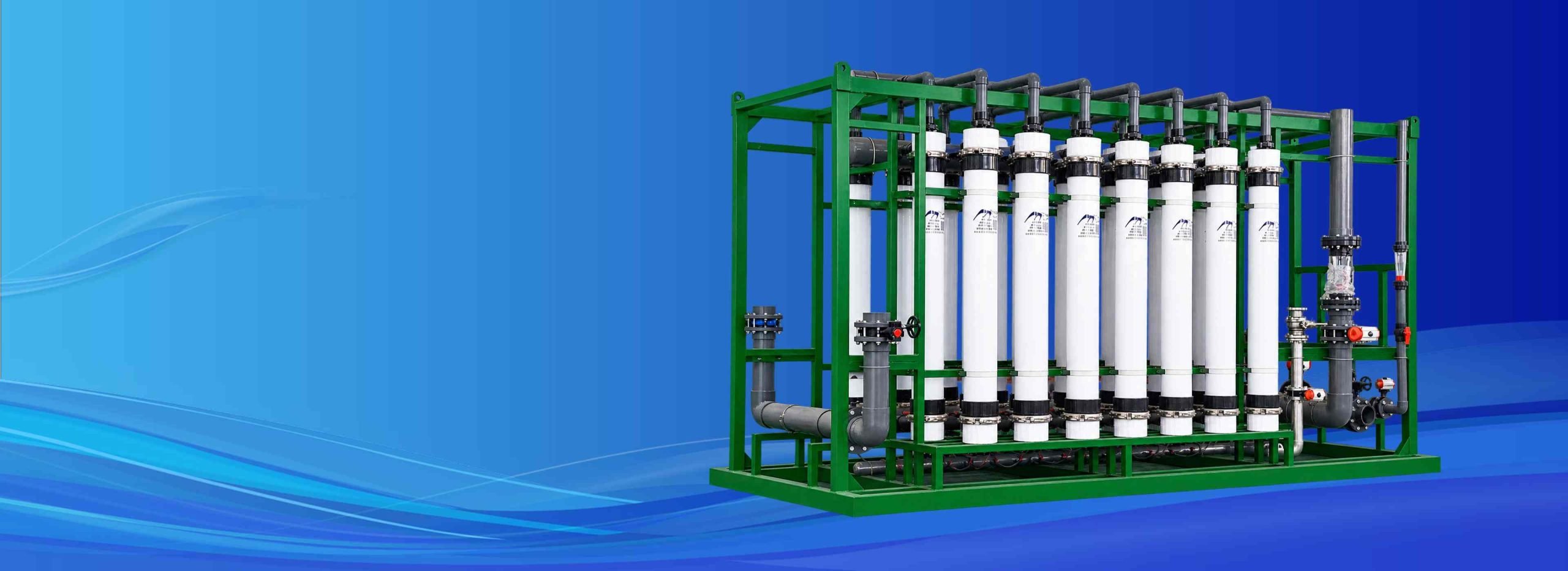
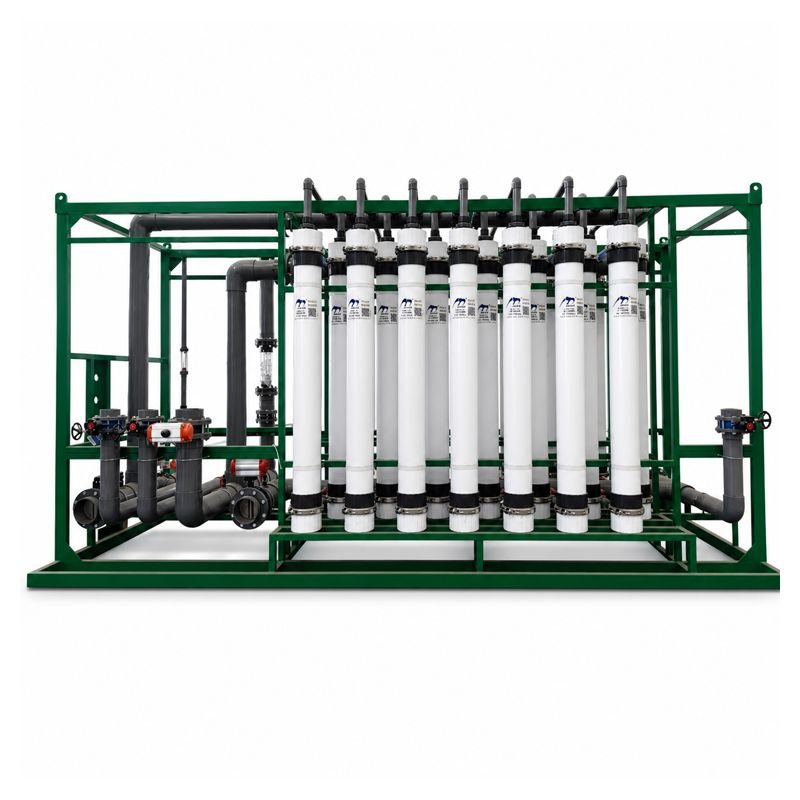
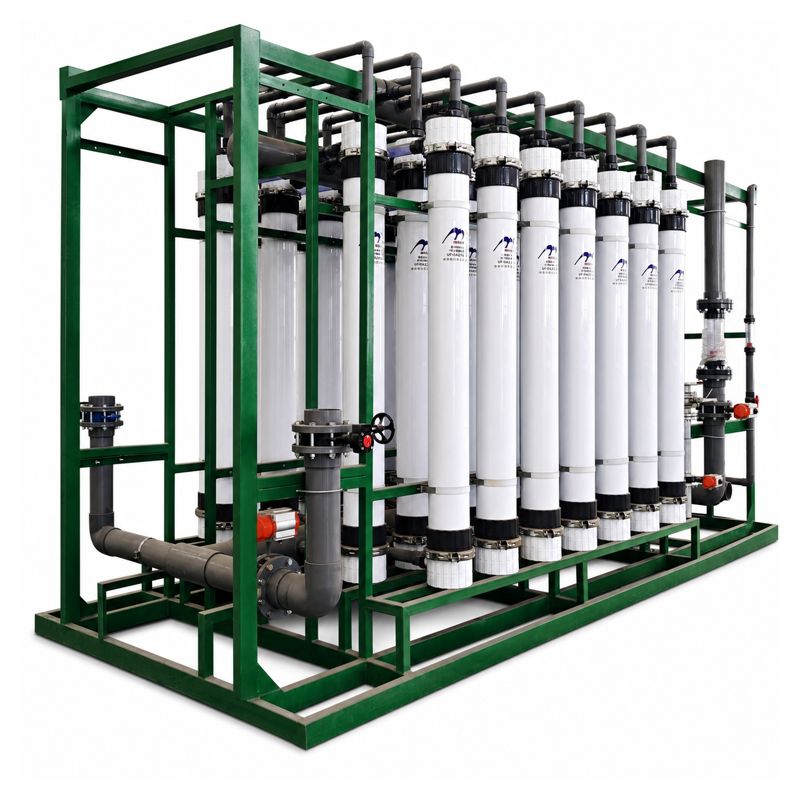
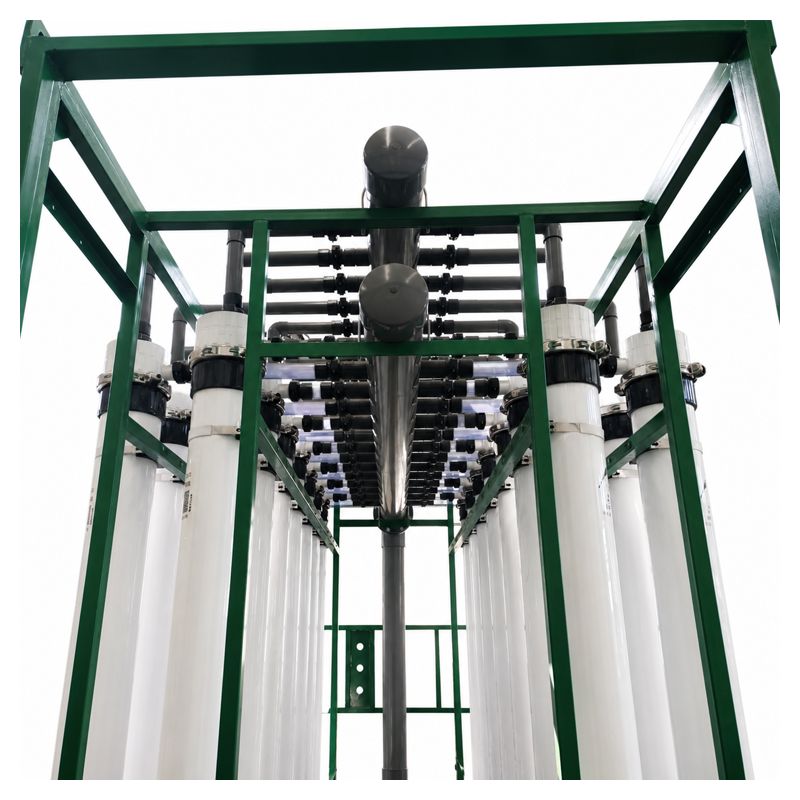
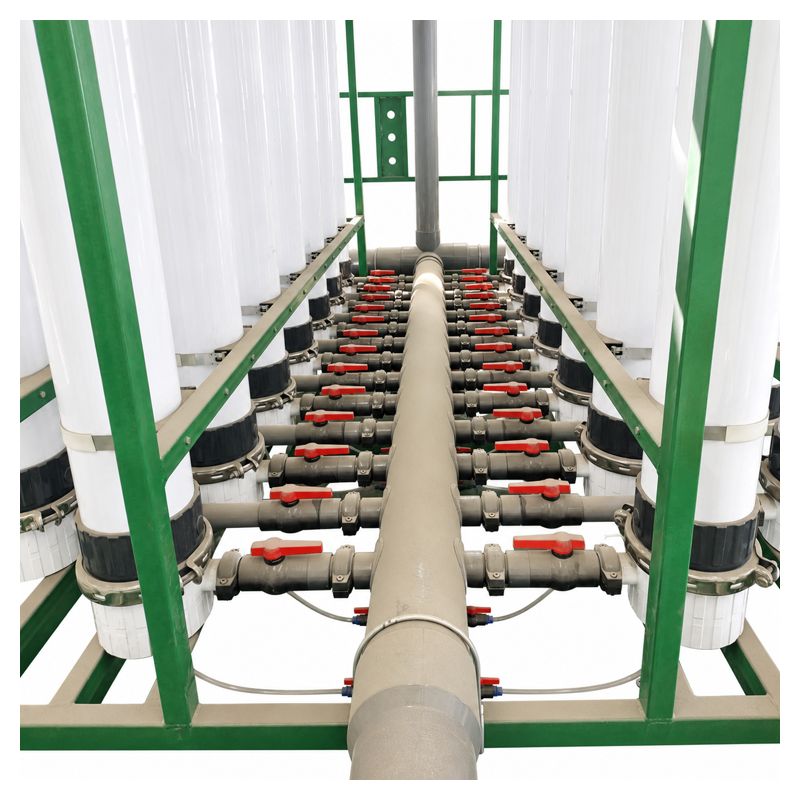
Why Choose AIDON Ultrafiltration Water System?
- Equipped with a fully automatic intelligent PLC control system
- Reverse osmosis system and RO membranes with a long service life
- Automatic flushing reduces the frequency of downtime for maintenance
- Large-scale manufacturing facility ensures fast delivery and reliable supply
- Customized solutions tailored to your specific operating conditions
AIDON—One-Stop Ultrafiltration Water System Provider
For over 15 years, AIDON has been providing customers with high-efficiency membrane filtration equipment, backed by professional manufacturing capabilities, strict quality control, and customized engineering support. We offer a one-stop service covering design, equipment manufacturing, and installation guidance to help you achieve stable operation and high-quality effluent, ensuring your long-term, cost-effective operations.
AIDON can customize rake teeth based on the type and size of your material; it can precisely control the spacing between the rake teeth to ensure it remains within the size range of the filtered material. Before shipment, the core components of each ultrafiltration water treatment system are calibrated, and all parts undergo a thorough inspection. In addition, the equipment features a modular design and is shipped as a complete, base-mounted unit, ensuring it is ready for immediate use upon delivery.
Features of Our Ultrafiltration Water System

Utilizes micron-level membrane filtration technology to effectively remove suspended solids, colloids, bacteria, and large-molecule organic compounds.

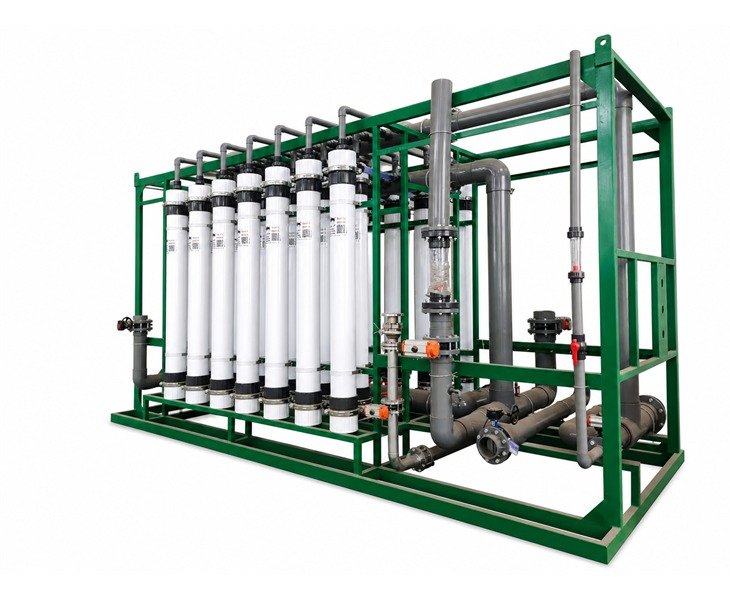
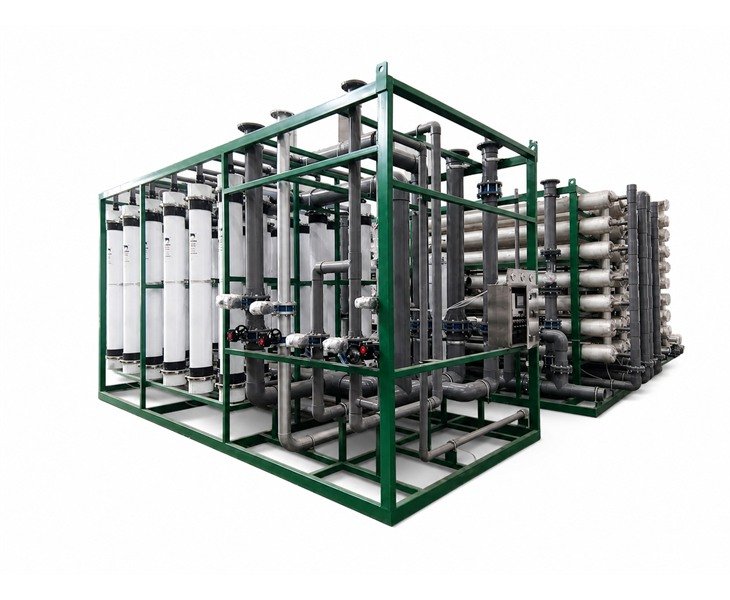
The equipment features a modular, integrated structure with a compact layout and small footprint, facilitating transportation, installation, and future maintenance.

Equipped with an automatic air-water backwash function, which effectively delays membrane fouling and reduces the frequency of downtime for maintenance.

We provide customized solutions ranging from membrane material selection to system integration, tailored to different water qualities, treatment capacities, and on-site conditions.

Equipped with a PLC-based fully automatic control system that supports automatic monitoring of operating parameters.

The effluent quality is consistent, with turbidity below 0.1 NTU and SDI values meeting standards, effectively protecting downstream reverse osmosis systems.

We provide one-stop service covering the entire project lifecycle—from solution design and equipment manufacturing to installation guidance and after-sales maintenance.

Utilizing high-performance membrane materials such as PVDF, the system withstands chemical cleaning and ensures stable, reliable long-term operation.
High-Precision Filtration, Long Service Life
The ultrafiltration water system utilizes micron-level membrane filtration technology to help you remove suspended solids, colloids, and microorganisms from water, maintaining the turbidity of the treated water at a stable level below 0.1 NTU over the long term. With proper pretreatment, membrane fouling can be reduced by 70%, effectively extending the cleaning cycle of your membrane modules.
Utilizing high-performance membrane materials such as PVDF, these membranes feature high elongation, resistance to fiber breakage, and resistance to chemical cleaning and oxidation by high concentrations of residual oxygen. They can operate stably under conditions involving strong acids, strong alkalis, and various organic solvents. With high fiber strength and strong resistance to fouling, these membranes help ensure the long-term stability and reliability of your system.
Customized Solutions
AIDON provides end-to-end customized services ranging from membrane material selection to system integration, designing ultrafiltration water systems tailored to your specific water quality characteristics and treatment scale.
Customization options include: membrane material selection (PVDF, PS, PVC, etc.), membrane module filtration configuration (external pressure or internal pressure), system water production capacity, automation control requirements, cleaning solutions, and adaptation to the equipment installation site.
Whether for new construction or retrofit projects, we can provide a tailored ultrafiltration water system solution based on your operational requirements and on-site conditions.
Industries Where AIDON Ultrafiltration Water Systems Are Used
If the chemicals you need to handle are not listed below, please contact us. We can provide you with a customized solution at no cost.
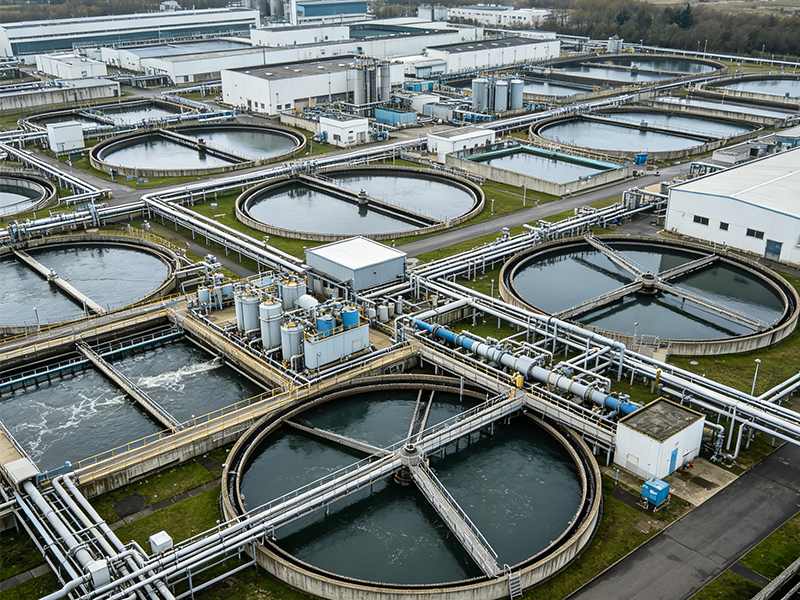
The ultrafiltration water system effectively removes suspended solids, colloids, and large-molecule organic compounds from wastewater, helping you significantly reduce the fouling load on reverse osmosis membranes and supporting your goals of wastewater recycling and near-zero discharge.
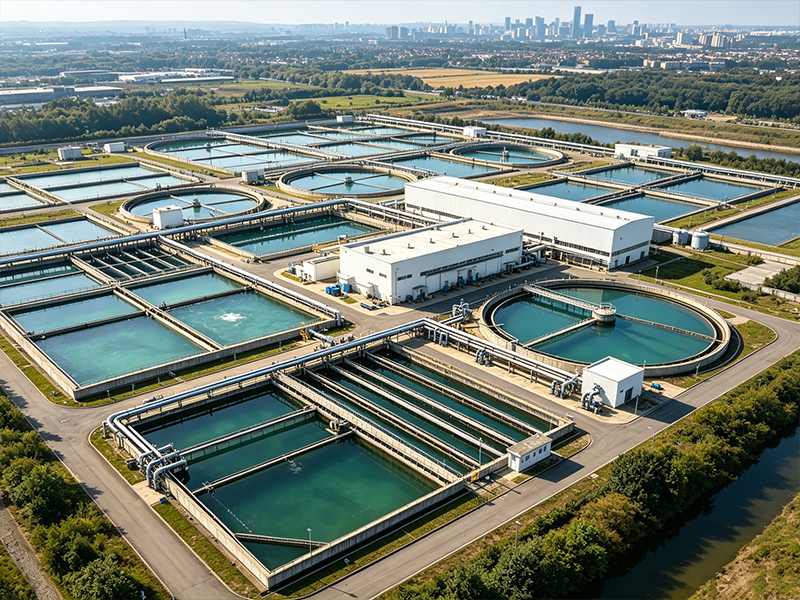
The ultrafiltration water system efficiently intercepts sludge impurities and microorganisms in wastewater, protecting downstream sedimentation and advanced treatment equipment. It helps reduce the maintenance frequency of downstream equipment and enhances the operational stability of the entire system.
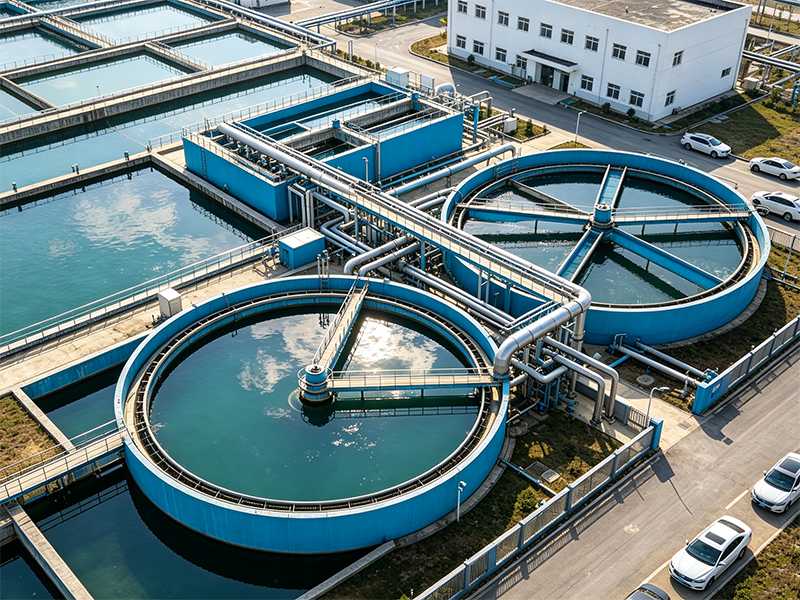
The ultrafiltration water system effectively removes fibrous suspended solids and colloidal substances from dyeing and printing wastewater, helping you resolve issues such as fiber entanglement and pipe blockages. The treated water meets reuse standards, enabling wastewater recycling and reducing your water costs.
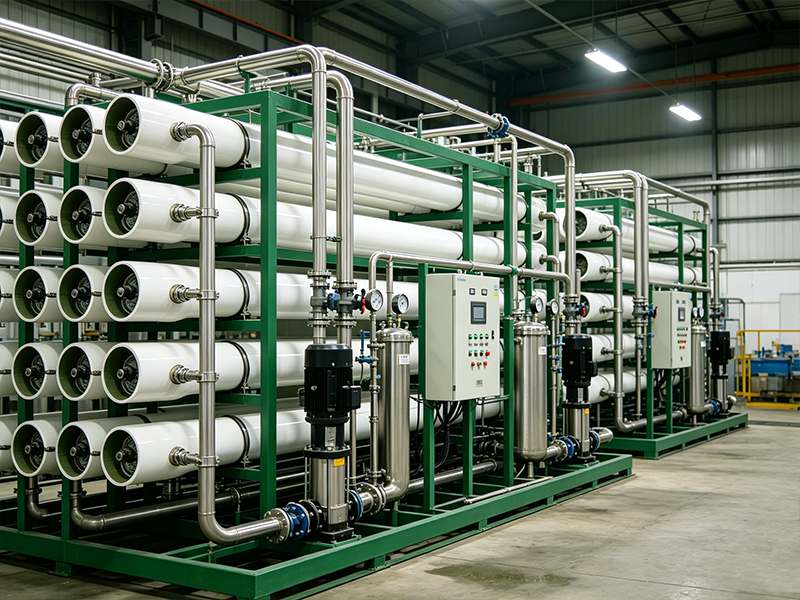
The ultrafiltration water system efficiently filters out organic residues and suspended solids from food processing wastewater, helping you reduce total sludge production and alleviate the load on subsequent biological treatment processes. The effluent quality is stable and meets discharge standards, easing your environmental compliance burden.
What Our Clients Say?
The ultrafiltration water system has been in operation at my plant for ten months. Currently, the treated water quality is stable, the SDI index meets standards, and the system effectively protects the downstream reverse osmosis membrane modules, demonstrating excellent membrane resistance to fouling.
Li WeiChinaFor the upgrade and renovation of my water treatment plant, I selected AIDIN’s ultrafiltration water system, and its performance has been consistently stable. The system effectively removes suspended solids and colloids, delivers very stable treated water quality, and has helped me significantly reduce labor costs.
Eduardo ReyesFilipino
Install multimedia and security filters at the inlet to trap sand, silt, and fibrous impurities; perform air purging and online chemical cleaning on a regular basis; and control the levels of suspended solids and residual chlorine in the feedwater. Proper pretreatment can reduce membrane clogging by 70% and significantly extend cleaning intervals.
To request a quote for an ultrafiltration water system, please provide the following six categories of key information:
- Average daily/hourly water production and daily operating hours;
- A complete raw water quality test report (turbidity, COD, suspended solids content, pH range, water temperature, and whether the water contains characteristic contaminants such as oils, microorganisms, high concentrations of salts, or oxidizing substances);
- Preferred membrane material and type;
- Requirements for automation and cleaning systems;
- Installation site and power supply conditions;
- Whether transportation, installation, warranty, and consumables are included.
Yes, an ultrafiltration water system is required. When the raw water has high colloidal content and unstable SDI, an ultrafiltration water system can consistently reduce the SDI and protect the reverse osmosis membranes.
An ultrafiltration water system primarily removes suspended solids, colloids, and macromolecules through membrane pore size screening.
A reverse osmosis water filter primarily removes dissolved salts, ions, and small-molecule contaminants.
The two systems have different treatment objectives; in many industrial water treatment projects, the ultrafiltration water system is used as pre-treatment equipment for RO.
Turbid effluent may be related to damaged membrane modules, seal failure, severe membrane fouling, or abnormal system operating parameters. When abnormalities occur, check membrane integrity, connection components, and operating pressure, and perform cleaning, maintenance, or replacement of relevant components based on the test results.
- PVDF (polyvinylidene fluoride) offers advantages such as high elongation and resistance to fiber breakage. It can be used in environments containing strong acids, strong alkalis, and various organic solvents.
- PS (polysulfone) has good chemical stability and decent water permeability. It is suitable for conventional water treatment applications, such as municipal wastewater treatment and drinking water pretreatment.
- PVC (polyvinyl chloride) is widely available and inexpensive. It is suitable for projects with relatively low requirements for membrane materials, such as general industrial wastewater and agricultural water treatment.
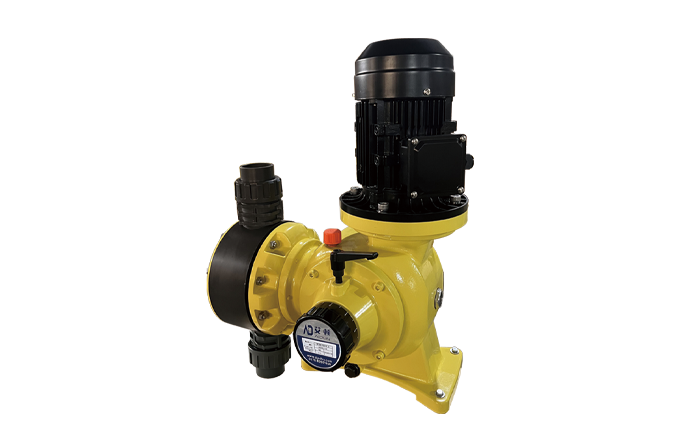
Utilizes the reciprocating motion of a diaphragm to precisely meter and steadily dispense chemical agents.
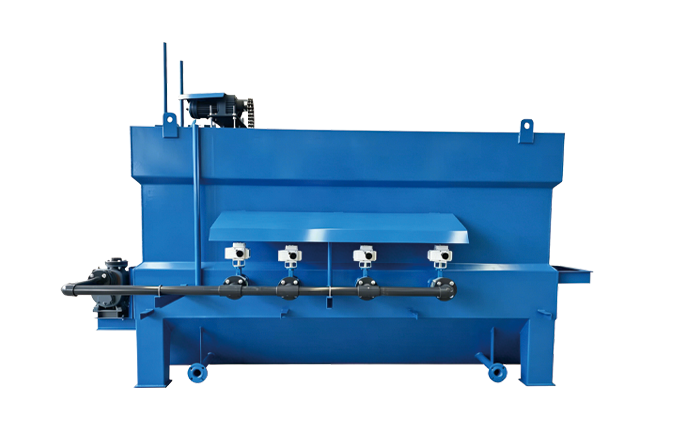
Utilizes micron-grade filter cloth and a disc-type filtration structure to retain and separate suspended solids.
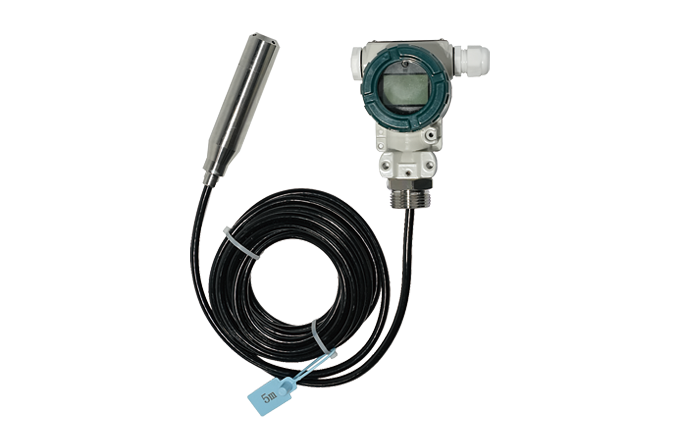
Converts liquid level signals into standard electrical signals to enable remote monitoring and control of liquid levels.
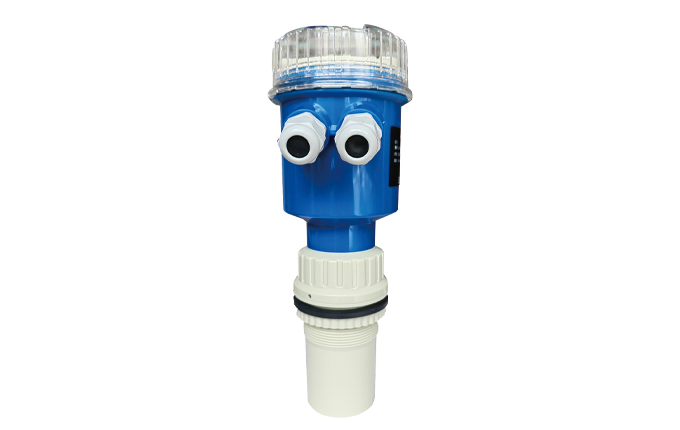
Uses the principle of ultrasonic pulse reflection to perform non-contact, continuous liquid level measurement.
Principle of Operation of an Ultrafiltration Water System
Under the action of an external force, the solution to be separated flows along the surface of the ultrafiltration membrane at a certain flow rate. The solvent, low-molecular-weight substances, and inorganic ions in the solution pass through the ultrafiltration membrane from the high-pressure side to the low-pressure side and are discharged as filtrate; meanwhile, high-molecular-weight substances, colloidal particles, and microorganisms in the solution are retained by the ultrafiltration membrane. The solution is concentrated and discharged as a concentrate.
What are the different types of ultrafiltration membranes?
Ultrafiltration membranes are classified into two types based on the filtration direction: external-pressure and internal-pressure. Both external-pressure and internal-pressure ultrafiltration membranes have their own advantages and disadvantages and are suitable for different applications.
- The advantages of external-pressure ultrafiltration membranes include high filtration efficiency, with a recovery rate of over 95%; they are suitable for treating water containing a high concentration of suspended solids; and the membrane modules can be used in reverse, offering strong adaptability. However, they also have some drawbacks, such as high requirements for membrane fiber strength, susceptibility to fouling, the need for regular backwashing, complex operation, certain requirements for feedwater quality, and high pretreatment demands.
- The advantages of internal-pressure ultrafiltration water system membranes include high fiber strength, strong resistance to fouling, simple operation and maintenance, and stable treated water quality, making them suitable for treating water sources with significant variations in water quality. However, their filtration recovery rate is relatively low, generally around 90 percent; they cannot be air-cleaned; backwashing effectiveness is limited; and although the inner walls are smooth, contaminants tend to accumulate in complex patterns during actual operation.
In practical applications, the choice between external-pressure and internal-pressure ultrafiltration membranes should be based on a comprehensive evaluation of specific water quality conditions, treatment requirements, and budget constraints.
Key Factors Affecting Ultrafiltration System Operation
- Feed Flow Rate
Increasing the feed flow rate can slow down concentration polarization and increase permeate flux; however, this requires higher operating pressure and results in increased energy consumption. Generally, the feed flow rate is controlled between 1 and 3 m/s.
- Temperature
The operating temperature primarily depends on the chemical and physical properties of the feed material and the membrane material. Since high temperatures can reduce the viscosity of the feed solution, increase mass transfer efficiency, and improve permeate flux, operation should be conducted at the highest permissible temperature.
- Operating Cycle
As the ultrafiltration water system process proceeds, a gel layer gradually forms on the membrane surface, causing the permeate flux to decline progressively. When the flux reaches a certain minimum value, cleaning is required; this period is referred to as an operating cycle. The duration of the operating cycle depends on the cleaning regimen.
- Feed Solution Pretreatment
To increase the membrane permeate flux and ensure the normal and stable operation of the ultrafiltration water system, the feed solution should be pretreated as needed. Commonly used pretreatment methods include precipitation, coagulation, filtration, and adsorption.